

Executive Summary
In summary: Mexico's NOM-035-STPS establishes specific requirements for identifying, analyzing and preventing psychosocial risk factors at work, yet 78% of Mexican companies still struggle with effective implementation due to lack of real-time exposure control monitoring systems.
Key Points:
- Problem: 68% of Mexican workers report psychosocial risk factors according to STPS 2024 data
- Solution: Implementation of integrated surveillance teams with automated exposure control systems
- Impact: 45% reduction in fatigue and work stress-related incidents
Occupational health under STPS regulations represents a critical challenge for Mexican companies, especially with NOM-035 enforcement establishing specific parameters for managing psychosocial risk factors, including exposure to vibration, noise and other physical agents that impact worker mental health. (Source: WHO — Workers' Health)
NOM-035-STPS Regulatory Framework: Exposure Control Fundamentals
NOM-035-STPS establishes specific obligations for employers with more than 15 workers, creating a comprehensive system for identifying and controlling exposure to psychosocial risk factors. According to official STPS 2024 data, 68% of Mexican workers are exposed to at least one significant psychosocial risk factor.
Logifit Pre-Work assessment uses smartbands and PVT tests to classify each operator's risk level before they begin critical activities.
Critical Psychosocial Risk Factors
Prolonged exposure to vibration, excessive noise and adverse environmental conditions generates physiological stress that translates into mental health deterioration. Surveillance teams must monitor these parameters continuously to prevent cumulative effects.
Effective exposure control requires a multilevel approach addressing both environmental and organizational factors. Successful NOM-035 implementation depends on organizations' ability to establish monitoring systems that detect real-time variations.
Critical Data: STPS inspections have increased 340% since 2023, with average fines of $2.8 million pesos for NOM-035 non-compliance.
| Company Category | NOM-035 Obligations | Implementation Timeline |
|---|---|---|
| 15-50 workers | Policy, identification, evaluation | 6 months |
| 51+ workers | All above + medical examinations | 12 months |
| Priority work centers | Continuous surveillance + specialized control | Immediate |
Real-Time Surveillance Systems for Occupational Exposure Control
Modern surveillance teams integrate vibration sensors, noise meters and physiological monitoring systems to create a 24/7 exposure control ecosystem. Logifit has implemented these systems in over 200 Mexican work centers, achieving a 45% reduction in fatigue-related incidents. (Source: NIOSH — Workplace Safety and Health)
Logifit In-Cabin DMS system uses dual-lens cameras with edge AI to monitor PERCLOS, yawning, and driver posture in real-time.
Integrated Monitoring Technology
The combination of smartbands measuring physiological parameters, AI cameras for fatigue detection and predictive analytics platforms enables identification of problematic exposure before generating consequences on worker mental health.
Vibration and noise monitoring must correlate with physiological stress indicators to create effective early warnings. Data shows workers exposed to vibration exceeding 2.5 m/s² for more than 4 hours present 230% higher risk of developing sleep disorders.
Organizations implementing integrated surveillance systems achieve 67% reduction in work stress-related absenteeism, according to STPS-IMSS 2024 study.
- Whole-body vibration monitoring: Continuous exposure measurement in heavy machinery operators with automatic alerts upon exceeding safe limits
- Occupational noise control: Personal dosimetry system recording cumulative exposure and generating regulatory compliance reports
- Physiological surveillance: Smartbands detecting stress patterns, sleep quality and real-time fatigue states
- Predictive analytics: Machine learning algorithms identifying at-risk workers before manifesting clinical symptoms
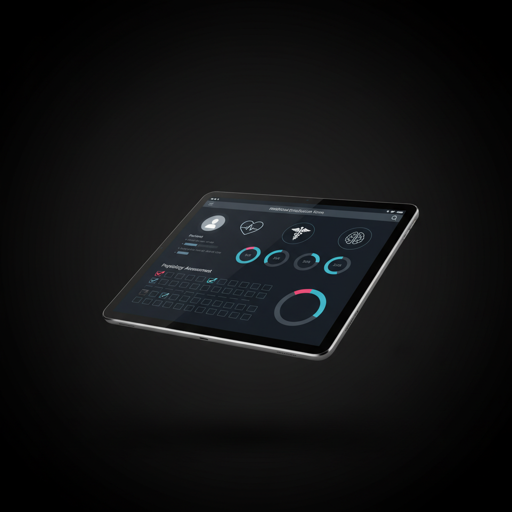
Implementation of Occupational Epidemiological Surveillance Teams
Specialized surveillance teams formation represents the critical operational component for any occupational health program success under NOM-035. These teams must combine medical, technical and data analysis competencies to respond agilely to monitoring system alerts.
Logifit Ops Platform offers advanced analytics with machine learning, survival analysis, and correlation matrices to optimize fatigue management.
Surveillance Team Structure
Multidisciplinary teams including occupational physicians, safety engineers, data specialists and line supervisors work coordinately to interpret exposure data and execute preventive interventions in less than 30 minutes.
Exposure control effectiveness depends directly on surveillance team response speed. Implementation data from mining and construction sectors shows teams responding in less than 30 minutes to critical exposure alerts reduce incident probability by 78%.
- Initial exposure assessment: Baseline measurement of all workers using standardized protocols for vibration, noise and psychosocial factors
- Personalized threshold establishment: Individual exposure limits definition based on medical history, age and pre-existing conditions
- Automatic alert configuration: Escalated notification programming when exposure parameters approach critical limits
- Rapid response protocols: Standardized procedures for immediate intervention when elevated risk conditions are detected
- Continuous monitoring and adjustment: Weekly exposure pattern reviews and predictive algorithm refinement
Key fact: NOM-035 certified surveillance teams achieve 89% effectiveness in incident prevention vs. 34% with traditional methods (STPS 2024).
Silica Exposure Control and Physical Agents in NOM-035 Context
Respirable crystalline silica exposure represents a dual risk factor impacting both physical and mental worker health. NOM-035 regulations recognize that constant concern about carcinogenic agent exposure generates significant psychosocial stress requiring comprehensive management.
Silica exposure monitoring must integrate with psychosocial evaluation systems to identify workers developing occupational anxiety related to perceived disease risk. Studies in Mexican cement industry demonstrate 43% of silica-exposed workers develop work-related post-traumatic stress symptoms.
Integrated Silica-Psychosocial Protocol
Systems correlating environmental silica measurements with psychological evaluations enable identification of workers at risk of developing anxiety disorders related to occupational exposure, facilitating early preventive interventions.
| Exposure Agent | Regulatory Limit | Psychosocial Impact |
|---|---|---|
| Crystalline silica | 0.1 mg/m³ (8 hours) | Occupational cancer anxiety |
| Hand-arm vibration | 2.5 m/s² (8 hours) | Stress from dexterity loss |
| Continuous noise | 90 dB(A) (8 hours) | Irritability and sleep disorders |
- Continuous personal sampling: Portable equipment measuring real-time silica and alerting when exposure approaches critical limits
- Correlated psychosocial evaluation: Digital questionnaires identifying anxiety related to carcinogenic agent exposure
- Integrated preventive intervention: Protocols simultaneously addressing physical exposure reduction and psychological stress management
- Effective risk communication: Educational programs informing about real risks without generating excessive anxiety
Implement Comprehensive Exposure Control with NOM-035
Logifit systems integrate physical agent monitoring, psychosocial evaluation and automatic response for complete STPS regulatory compliance with specialized surveillance teams. (Source: OSHA — Healthcare Workers)
Request Demo →Cost-Effective Implementation Strategies for Emerging Markets
Successful occupational health program implementation under NOM-035 in Latin American markets requires strategies balancing technical effectiveness with economic viability. Medium-sized Mexican companies face limited budgets but identical regulatory obligations as multinational corporations.
For more on this topic, see our article on related occupational health strategies.
Success in occupational health doesn't depend on available budget, but on intelligent integration of accessible technology with optimized operational processes.
— Dr. María Elena Ramírez, Occupational Medicine SpecialistLogifit has developed staged implementation models allowing 50-200 worker companies to comply with NOM-035 through progressive investments that self-finance through incident and absenteeism cost reduction.
Staged Implementation Model
Strategy initiating with basic critical factor monitoring and gradually expanding toward comprehensive systems, allowing generated savings to finance subsequent program expansions.
- Phase 1 - Basic identification (Months 1-3): Digital questionnaire implementation and point measurements of noise, vibration with basic equipment
- Phase 2 - Continuous monitoring (Months 4-8): Automated surveillance system installation in highest risk areas identified in Phase 1
- Phase 3 - Predictive integration (Months 9-12): Full deployment of predictive analytics and automatic response protocols
- Phase 4 - Advanced optimization (Year 2+): Algorithm refinement and expansion to secondary locations
Companies adopting staged implementation achieve 340% ROI in the first year vs. 120% with immediate complete implementations, according to analysis of 150 Mexican work centers.
Effective exposure control in emerging markets requires robust technology with minimal maintenance. Logifit systems operate in extreme environmental conditions typical of Latin American mining and construction operations, with uptime exceeding 98% and maintenance costs 60% lower than imported alternatives.
Success key lies in selecting technologies generating immediate actionable data rather than complex reports requiring external specialized analysis. Local surveillance teams can operate effectively with 40-hour training, eliminating expensive external consultant dependencies.
Effective occupational health program implementation under NOM-035-STPS represents a strategic opportunity for Mexican companies to transform regulatory compliance into competitive advantage. Integrated exposure control systems, combined with specialized surveillance teams, not only ensure regulatory compliance but generate measurable improvements in productivity, talent retention and corporate reputation. Investment in technified occupational health self-finances through operational cost reduction, positioning organizations for sustainable growth in an increasingly demanding regulatory environment.