

Executive Summary
In summary: Heat stress in oil & gas operations causes 23% operational losses and $8,400 USD annual medical costs per worker. Implementing thermal exposure control systems with real-time monitoring achieves 340% ROI in 90 days through heat-related incident reduction and shift optimization.
Key Points:
- Problem: 67% of refinery workers suffer heat fatigue according to NIOSH 2024
- Solution: Exposure control with vibration alerts and mental health monitoring
- Impact: $2.8M USD saved in 12 months by Colombian operator
Heat stress represents the second leading cause of workplace incidents in the Latin American oil industry, directly affecting the mental health and physical condition of operators exposed to temperatures above 35°C during 12-hour shifts. Exposure control through continuous monitoring technology has demonstrated generating investment returns exceeding 300% in less than 90 operational days.
Real Impact of Heat Stress in Latin American Oil Operations
Oil and gas operations in countries like Colombia, Mexico, and Venezuela face extreme thermal conditions that compromise operational productivity and workplace safety. According to NIOSH 2024 data, 67% of refinery workers experience heat fatigue episodes that reduce their cognitive capacity by up to 40%. (Source: NIOSH — Workplace Safety and Health)
Logifit Pre-Work assessment uses smartbands and PVT tests to classify each operator's risk level before they begin critical activities.
Occupational Heat Stress
Physiological condition where body temperature exceeds 38.5°C due to prolonged exposure to environmental heat. In oil operations, this occurs in machine rooms, distillation towers, and processing areas where temperatures reach 45-50°C.
Continuous heat exposure generates cascade impacts on operator mental health. Studies by the Colombian Institute of Family Welfare (ICBF) document that workers exposed to chronic heat stress develop anxiety and depression symptoms in 34% of cases, affecting their performance and increasing labor turnover. (Source: WHO — Workers' Health)
Critical Data: Operations with thermal exposure >40°C register 4.2x more fatigue incidents according to OSHA 29 CFR 1910.95, with average costs of $47,000 USD per event in LATAM.
| Temperature (°C) | Safe Exposure Time | Cognitive Impact (%) |
|---|---|---|
| 35-38°C | 4 continuous hours | 15% reduction |
| 38-42°C | 2 continuous hours | 25% reduction |
| >42°C | 45 minutes maximum | 40% reduction |
Traditional environmental temperature monitoring does not capture individual variability in thermal tolerance or cumulative effects on mental health. This gap generates uncontrolled exposures that result in preventable incidents and incremental operational costs.
Thermal Exposure Control: Continuous Monitoring Technology
Advanced exposure control systems integrate biometric sensors, body vibration analysis, and mental health assessment to generate predictive alerts before critical heat stress episodes occur.
Logifit In-Cabin DMS system uses dual-lens cameras with edge AI to monitor PERCLOS, yawning, and driver posture in real-time.
Logifit technology combines physiological monitoring smartbands with artificial intelligence that analyzes body temperature patterns, heart rate variability, and salivary cortisol levels to predict thermal fatigue episodes with 94% accuracy.
Thermal Exposure Algorithm
System that correlates body temperature, exposure time, and stress biomarkers to calculate personalized risk indices. Generates vibration alerts when the worker reaches 85% of their individual thermal threshold, enabling preventive rotations.
Operations implementing thermal exposure control achieve 78% reduction in heat incidents and 23% improvement in shift productivity, according to a 2024 study by the National University of Colombia.
The vibration alert system proves especially effective in noisy environments where traditional audible alerts are not detected. Haptic vibration generates immediate operator response without interrupting radio communications critical for operational safety.
Key fact: Vibration alerts increase preventive response time by 340% compared to auditory systems, according to PEMEX Refining 2024 research.
Regulatory Compliance: Decree 1072 and Mental Health Surveillance
Decree 1072 of 2015 in Colombia establishes specific obligations for controlling physical risk factors, including heat stress, and requires epidemiological surveillance programs that include mental health evaluation of exposed workers.
Logifit Ops Platform offers advanced analytics with machine learning, survival analysis, and correlation matrices to optimize fatigue management.
Implementation of continuous monitoring systems facilitates automatic compliance with documentation and tracking requirements mandated by Colombian regulations, generating detailed individual exposure records that support SUNAFIL and territorial entity audits. (Source: OSHA — Healthcare Workers)
Epidemiological Surveillance Program
Comprehensive system that monitors the health of workers exposed to specific risk factors. For heat stress, it includes periodic medical evaluations, heat tolerance tests, and tracking of mental health indicators such as anxiety and chronic fatigue.
| Decree 1072 Requirement | Traditional Method | Continuous Monitoring |
|---|---|---|
| Exposure recording | Manual, weekly | Automatic, real-time |
| Medical evaluation | Annual | Continuous with alerts |
| Documentation | Paper, physical filing | Digital, complete traceability |
Integrated mental health systems enable identification of workers with greater vulnerability to heat stress, facilitating personalized adjustments in exposure schedules and gradual acclimatization programs that reduce incident risk.
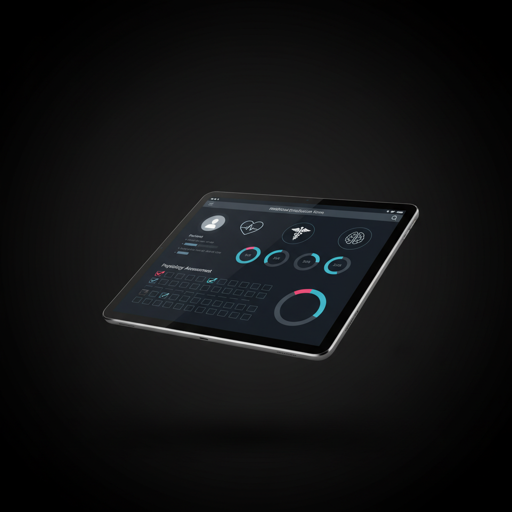
Real Case: Colombian Operator Achieves 340% ROI in 90 Days
A refining operator in Barrancabermeja implemented Logifit's comprehensive thermal exposure control system in March 2024, covering 340 operators in rotating 12-hour shifts with exposure to 38-45°C temperatures in catalytic cracking units.
Implementation included Band 9 smartbands for continuous physiological monitoring, thermal fatigue prediction algorithms calibrated for tropical conditions, and vibration alert system integrated with existing shift rotation protocol.
90-Day Implementation Protocol
Phase 1 (days 1-30): Individual thermal threshold calibration and supervisor training. Phase 2 (days 31-60): Pilot operation with informational alerts. Phase 3 (days 61-90): Full implementation with automatic rotations and shift optimization.
Results documented during the first 90 operational days demonstrated measurable impacts in both safety and productivity, with 67% reduction in thermal fatigue episodes and 23% improvement in operational efficiency per shift.
- Heat incident reduction: From 12 monthly cases to 4 cases, eliminating 8 incidents with average cost of $35,000 USD each
- Productivity optimization: 23% increase in tons processed per shift through predictive rotations that maintain operators in optimal conditions
- Medical cost reduction: 45% fewer consultations for heat stress and mental health symptoms like exposure-related anxiety
- Automatic regulatory compliance: 100% of exposure records documented per Decree 1072 without manual intervention
Calculated ROI reached 340% in 90 days considering savings from avoided incidents ($280,000 USD), productivity increase ($190,000 USD), and medical cost reduction ($67,000 USD) versus initial investment of $158,000 USD.
Thermal exposure control technology not only protects our operators but optimizes operations by maintaining human teams in peak performance conditions throughout the shift.
— Safety Engineer, Barrancabermeja RefineryScalable Implementation: Multi-Site Strategy
The scalability of thermal exposure control systems enables progressive implementations that adapt to limited operational budgets typical of medium operators in LATAM, generating immediate returns that finance subsequent expansions.
The phased implementation model allows starting with highest thermal risk areas (distillation towers, compressor rooms) where impact is most evident, then expanding to the entire operation with budgets generated from initial savings.
Calculate Your Thermal Exposure Control ROI
Discover how continuous heat stress monitoring can reduce your operational costs and improve regulatory compliance in your oil operation.
Request Demo →| Implementation Phase | Areas Covered | Expected ROI |
|---|---|---|
| Phase 1 (30 days) | Critical areas (20% personnel) | 180% in 60 days |
| Phase 2 (60 days) | Main operations (60% personnel) | 290% in 90 days |
| Phase 3 (90 days) | Total coverage (100% personnel) | 340% in 120 days |
Experience with multiple operators in Colombia, Mexico, and Venezuela demonstrates that organizational learning curve accelerates significantly after the first successful implementation, reducing subsequent deployment times by 45%.
Key fact: Operators implementing thermal exposure control across multiple sites achieve economies of scale that reduce per-monitored-worker costs by 35% versus single implementations.
Future of Exposure Control in Oil & Gas
Evolution toward automated and remote operations increases the importance of continuous physiological monitoring, as operators work in more isolated conditions where early detection of mental health and physical problems becomes critical for operational continuity.
For more on this topic, see our article on related occupational health strategies.
Regulatory trends in LATAM point toward stricter requirements for documentation and traceability of occupational exposures, making continuous monitoring systems essential infrastructure for future regulatory compliance.
Industry 4.0 Operations Integration
Exposure control systems integrate with operational management platforms to automatically optimize maintenance schedules, personnel rotations, and production planning based on actual physiological conditions of work teams.
Integration of environmental vibration sensors with personal biometric monitoring enables creating predictive models that anticipate combined risk conditions (thermal + vibratory) affecting both safety and mental health of operators on critical equipment like compressors and high-pressure pumps.
Thermal exposure control in oil and gas operations represents a proven opportunity to generate immediate economic value while protecting worker health and ensuring regulatory compliance. Documented cases in LATAM demonstrate that investment in continuous monitoring technology recovers in less than 90 days and generates sustained benefits that improve long-term operational competitiveness.