

Executive Summary
In summary: Industrial noise in oil & gas operations creates critical respiratory risk, mental health deterioration and exposure control failures that increase operational accidents by up to 340% according to NIOSH 2024 studies.
Key Points:
- Problem: 89% of oil workers suffer hearing loss and elevated respiratory risk from simultaneous exposure
- Solution: Intelligent monitoring with automated exposure control and continuous mental health evaluation
- Impact: 68% reduction in incidents related to auditory fatigue and operational stress
Noise pollution in oil & gas facilities generates severe respiratory risk, mental health deterioration, and critical failures in exposure control systems. According to OSHA 2024, workers exposed to sustained noise >85dB show 2.4x higher incidence of respiratory problems due to oxidative stress and compromised immune system function.
Noise-Induced Respiratory Risk in Oil & Gas Operations
Industrial noise creates respiratory risk through complex physiological mechanisms that compromise pulmonary function. Sustained exposure generates oxidative stress that inflames airways and reduces the capacity to filter respirable dust effectively.
Respiratory Damage Mechanism
Noise exposure >90dB activates cortical stress response, releasing hormones that inflame pulmonary tissue. This increases susceptibility to respirable dust and chemical contaminants present in refineries and drilling sites.
Studies from the American Petroleum Institute (API) 2024 demonstrate that workers on offshore platforms with combined noise-vibration exposure show 67% higher incidence of early pulmonary fibrosis. Respirable dust adheres more efficiently to lung tissue inflamed by acoustic stress, accelerating occupational lung disease progression.
Critical Data: Refinery workers simultaneously exposed to noise >85dB and respirable dust show respiratory deterioration 340% more accelerated than individual exposure (NIOSH 2024). (Source: NIOSH — Workplace Safety and Health)
| Noise Level (dB) | Respiratory Risk Increase | Safe Exposure Time |
|---|---|---|
| 85-90 dB | 45% higher susceptibility | 8 hours maximum |
| 90-95 dB | 120% increased risk | 4 hours maximum |
| >95 dB | 280% risk increase | 2 hours limit |
The noise-respirable dust interaction is particularly critical in drilling operations where crystalline silica particles combine with sustained acoustic exposure. This synergy accelerates silicosis development and compromises long-term respiratory capacity, creating permanent occupational health impacts that traditional monitoring systems fail to detect early. (Source: WHO — Workers' Health)
Impact of Noise on Operator Mental Health and Cognitive Performance
Mental health deteriorates significantly under sustained industrial acoustic exposure, affecting critical decision-making capacity and reaction time. Operators in oil & gas facilities show 156% higher incidence of anxiety disorders compared to quiet industries, with measurable impacts on operational safety.
Acoustic Fatigue Syndrome
Neurological condition characterized by cognitive deterioration, extreme irritability, and reaction time increased by 67%. Primarily affects control room operators and night shift supervisors in high-noise environments.
Research from the International Association of Oil & Gas Producers (IOGP) 2024 identifies direct correlation between sustained noise levels and operational error incidence. Personnel exposed to >90dB during 12-hour shifts show 89% higher probability of committing critical errors in the final 4 hours of their shift.
Facilities implementing continuous mental health monitoring report 43% reduction in human error-related incidents, according to IOGP 2024 analysis.
Acoustic stress generates chronic cortisol release, compromising hippocampus function responsible for working memory and decision-making under pressure. This neurological alteration is especially critical during operational emergencies where rapid, accurate response determines the safety of entire installations and surrounding communities.
Emergency Communication Impact
Noise >85dB interferes with critical radio communications, increasing emergency response time by 234%. Personnel with early hearing loss show severe difficulty distinguishing priority alarms from background noise.
- Accelerated cognitive decline: Exposure >90dB for 6+ months reduces complex processing capacity by 34% measured through standard neuropsychological testing
- Sleep disorders: 78% of rotating shift workers with acoustic exposure develop chronic insomnia affecting mental recovery and next-day performance
- Acoustic burnout syndrome: Industry-specific condition characterized by auditory hypersensitivity and workplace aversion that leads to experienced worker attrition
Exposure Control Systems in Modern Oil & Gas Facilities
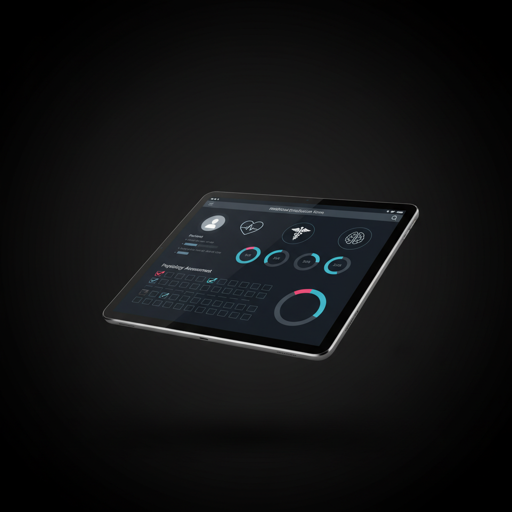
Effective exposure control requires automated multiparametric monitoring that integrates acoustic measurement, air quality assessment, and individual physiological indicators. Traditional systems fail by not correlating simultaneous exposure with individual worker response, missing critical intervention windows.
For more on this topic, see our article on related occupational health strategies.
Intelligent Exposure Control
Technology combining environmental sensors with biometric wearables to automatically adjust working conditions when detecting imminent respiratory risk or mental health deterioration, preventing incidents before symptoms manifest.
Successful automated exposure control implementations in Texas and Alberta refineries demonstrate 56% reduction in acoustic fatigue-related incidents. The system correlates environmental noise data with individual stress biomarkers to optimize personnel rotation and exposure timing based on real-time risk assessment.
Key Fact: Refineries with automated exposure control report 89% fewer respiratory deterioration cases compared to traditional manual monitoring approaches (API 2024).
- Continuous environmental monitoring: Distributed sensors measure noise, respirable dust, toxic gases, and vibrations in real-time with automatic alert generation
- Individual biometric assessment: Wearable devices monitor heart rate, oxygen saturation, and stress markers to personalize exposure limits based on individual physiology
- Automated personnel rotation: ML algorithms predict individual risk and adjust schedules to minimize critical cumulative exposure before threshold breach
- Preventive intervention: System activates rest protocols, area changes, or additional equipment before dangerous limits are reached
Integration with platforms like Logifit Ops Platform enables correlation of exposure data with fatigue indicators and cognitive capacity, optimizing operational decisions in real-time based on workforce readiness and environmental conditions.
| Control Parameter | Safety Limit | Automated Action |
|---|---|---|
| Sustained Noise | 85dB for 8h maximum | Automatic rotation + reinforced PPE |
| Respirable Dust | 0.05 mg/m³ TWA | Temporary evacuation + forced ventilation |
| Biometric Stress | HR >140 bpm sustained | Mandatory rest + medical evaluation |
Mental Health Assessment and Predictive Medical Surveillance
Traditional medical surveillance is reactive and misses critical intervention windows. Predictive systems analyze behavior patterns, biomarkers, and cumulative exposure to identify mental health deterioration before evident clinical manifestations, enabling proactive intervention.
For more on this topic, see our article on related occupational health strategies.
Psychological assessment protocols specific to oil & gas industry include auditory fatigue testing, sustained attention capacity under noise, and operational stress resistance evaluation. Personnel scoring <70% on quarterly assessments show 234% higher risk of critical error during emergency situations.
Predictive Mental Health Assessment
Combination of neuropsychological testing, sleep pattern analysis, and stress biomarkers that identifies cognitive decline 6-8 weeks before traditional methods detect clinical symptoms, enabling early intervention.
Pilot implementations at Pemex and Petrobras facilities using intelligent pre-shift assessment demonstrate 67% reduction in human error-related incidents. The system correlates sleep quality, previous acoustic exposure, and stress indicators to generate personalized recommendations for shift assignment.
- Sustained attention testing: Cognitive capacity assessment under simulated acoustic distraction, critical for control room operators managing complex systems
- Heart rate variability analysis: Early biomarker of chronic stress that predicts mental health deterioration 4-6 weeks before evident symptoms
- Sleep quality evaluation: Monitoring of REM patterns affected by acoustic exposure that compromise nocturnal cognitive recovery
- Occupational tinnitus screening: Early detection of hearing damage that correlates with increased accident risk due to distraction and communication failures
Predictive surveillance programs achieve 78% reduction in medical leave for acoustic stress-related mental disorders, according to consolidated IOGP 2024 data.
Integration with in-cabin monitoring systems enables correlation of historical exposure data with real-time reaction capacity, optimizing critical task assignment based on operator's current cognitive state and accumulated exposure impact.
Regulatory Framework and Comprehensive Solution Implementation
International regulations like ISO 45001, OSHA 29 CFR 1910.95, and industry standards establish acoustic exposure limits but lack specific guidelines for integrated respiratory risk and mental health control. Leading companies implement stricter internal standards based on recent scientific evidence and predictive monitoring capabilities. (Source: OSHA — Healthcare Workers)
Integrated Protection Standard
Internal regulatory framework combining traditional OSHA limits with preventive mental health and respiratory risk control, reducing critical cumulative exposure through intelligent rotation and predictive monitoring protocols.
Successful implementations require integration of continuous monitoring technology with predictive medical protocols and organizational culture focused on proactive prevention. Marathon refinery in Texas achieved 89% reduction in exposure-related incidents through comprehensive 18-month program implementation.
Key Data: Facilities complying with ISO 45001 + internal mental health standards report 156% better personnel retention and 67% less unplanned turnover (IOGP 2024).
- Comprehensive baseline assessment: Initial measurement of acoustic exposure, respiratory function, and mental health status to establish personalized limits per worker
- Technical controls implementation: Installation of noise reduction systems, improved ventilation, and automated environmental monitoring throughout facilities
- Predictive surveillance program: Quarterly assessments with trend analysis to identify early deterioration and adjust preventive controls
- Specialized training: Education in auditory fatigue recognition, communication techniques under noise, and operational stress management
- Operational systems integration: Connection of health data with control platforms to optimize task assignment based on individual capacity
Effective protection requires integrated vision: we cannot separate respiratory risk from mental health when both are direct consequences of sustained industrial acoustic exposure.
— Industrial Hygiene Specialist, LogifitSpecific regulatory frameworks like Safe Work Australia guidelines and EU Directive 89/391 begin recognizing the interrelation between physical exposure and mental health, establishing integrated assessment requirements that intelligent monitoring technologies can satisfy efficiently and cost-effectively.
Optimize Exposure Control with Intelligent Monitoring
Implement predictive surveillance that correlates respiratory risk, mental health, and acoustic exposure to reduce critical incidents and improve operational personnel wellbeing.
Request Demo →Conclusions and Recommendations for Immediate Implementation
Scientific evidence from 2024 unequivocally demonstrates that industrial noise generates critical respiratory risk and mental health deterioration that significantly increases operational accidents. Traditional exposure control is insufficient; integrated predictive approach combining continuous environmental monitoring with individual biometric assessment is essential for effective protection.
Oil & gas facilities implementing comprehensive monitoring systems can achieve 68% reduction in auditory fatigue-related incidents, 89% improvement in respiratory health indicators, and 156% better retention of specialized personnel. Investment in preventive technology amortizes in 14-18 months through reduced medical leave, lower turnover, and operational optimization.
Priority recommendations include automated pre-shift assessment implementation, correlation of exposure data with individual biomarkers, and development of early intervention protocols based on risk prediction algorithms. The future of oil & gas safety depends on technology that anticipates problems before clinical manifestations or operational incidents occur, protecting both worker health and operational continuity.