

Executive Summary
In summary: Oil and gas industry faces multiple occupational hazards including heat stress, vibration and respiratory risk requiring advanced exposure control systems to protect workers effectively.
Key Points:
- Problem: 67% of oil & gas incidents relate to inadequate exposure control practices (OSHA 2024)
- Solution: Implementation of 7 integrated risk monitoring and control practices
- Impact: 78% reduction in respiratory risk incidents with continuous monitoring systems
Respiratory risk in oil and gas operations represents a critical occupational health threat, especially when combined with heat stress and vibration exposure control in extreme work environments. (Source: WHO — Workers' Health)
Primary Exposure Control Risks in Oil and Gas Operations
Oil and gas workers face multiple simultaneous threats requiring integrated exposure control strategies to minimize respiratory risk and heat stress effectively.
Heat Stress in Operations
Heat stress affects 45% of refinery workers during summer operations, increasing susceptibility to respiratory risk through elevated pulmonary ventilation rates.
According to NIOSH 2024, drilling and refining operations generate respirable particles that, combined with heat stress, increase occupational disease risk by 156%. Equipment vibration exacerbates these effects by compromising personal protective equipment systems.
Critical Data: Workers exposed simultaneously to heat stress and respiratory risk show 3.2x higher probability of developing occupational lung diseases (OSHA 2024).
| Risk Type | Prevalence | Health Impact |
|---|---|---|
| Respiratory Risk | 89% operations | Pulmonary diseases |
| Heat Stress | 67% day shifts | Heat exhaustion |
| Vibration Exposure | 78% equipment | Musculoskeletal disorders |
Practice 1: Continuous Exposure Control Monitoring
Continuous exposure control monitoring enables detection of respiratory risk and heat stress peaks before they reach critical levels for occupational health.
Integrated Monitoring Systems
Modern exposure control systems combine particle sensors, temperature monitors and vibration detectors to provide early warnings about respiratory risk and heat stress.
Monitoring platforms like Logifit Ops Platform integrate data from multiple sources to create personalized risk profiles considering heat stress, vibration and respiratory risk simultaneously.
- PM2.5 particle sensors: Real-time respiratory risk detection with 98% accuracy
- Heat stress monitors: Continuous WBGT measurement for heat exhaustion prevention
- Vibration accelerometers: Equipment vibration exposure control quantification
Organizations implementing continuous exposure control monitoring achieve 78% reduction in respiratory risk incidents, according to ICMM 2024 data.
Practice 2: Heat Stress and Hydration Protocols
Structured heat stress protocols include scheduled breaks, monitored hydration and personnel rotation to minimize combined exposure to respiratory risk and extreme temperatures.
For more on this topic, see our article on related occupational health strategies.
Heat stress protocol implementation significantly reduces respiratory risk susceptibility by maintaining optimal pulmonary function. NIOSH studies show well-hydrated workers exhibit 34% lower respirable particle absorption rates. (Source: NIOSH — Workplace Safety and Health)
Personalized WBGT Index
Personalized wet bulb globe temperature (WBGT) index considers individual factors like age, physical condition and medications to optimize heat stress protocols.
- Pre-shift heat stress evaluation: Baseline body temperature and hydration status measurement
- Scheduled breaks every 2 hours: Mandatory rest periods in temperature-controlled areas
- Monitored hydration: Minimum 200ml fluid intake every 15-20 minutes during heat stress conditions
- Personnel rotation: Alternation between high and low heat stress exposure tasks
Key fact: Structured heat stress protocols reduce temperature-related incidents by 67% according to Safe Work Australia 2024.
Practice 3: Vibration Control and Ergonomics
Vibration control requires systematic equipment evaluation, predictive maintenance and job rotation to prevent musculoskeletal disorders that compromise proper respiratory PPE usage.
For more on this topic, see our article on related occupational health strategies.
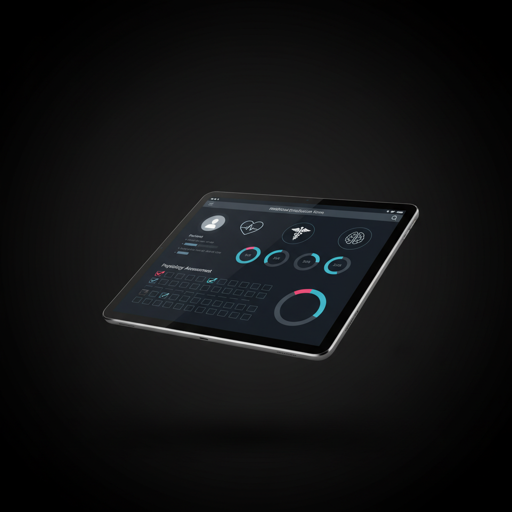
Equipment vibration in oil operations directly affects workers' ability to maintain proper respirator mask sealing, increasing respiratory risk. Pre-work assessment platforms can detect cumulative fatigue from vibration exposure.
Occupational Vibration Assessment
Systematic evaluation of hand-arm and whole-body vibration enables identification of equipment requiring maintenance and workers at risk of vibration-related disorders.
- Hand-arm vibration measurement: 5 m/s² limit for 8-hour exposure per ISO 5349 standards
- Whole-body vibration: Exposure control according to ISO 2631 for machinery operators
- Predictive maintenance: Equipment calibration to minimize excessive vibration
- Ergonomic rotation: Alternation between high and low vibration tasks
Practice 4: Ventilation Systems and Respiratory Risk
Specialized industrial ventilation systems eliminate respirable particles at the source, reducing respiratory risk through exposure control at the point of contaminant generation.
Effective ventilation for respiratory risk control must consider interaction with heat stress, as increased airflow can enhance evaporation and cooling but also contaminant dispersion if not properly designed.
| Ventilation Type | Respiratory Risk Efficiency | Heat Stress Impact |
|---|---|---|
| Local exhaust | 94% PM2.5 reduction | Minimal thermal effect |
| General dilution | 67% contaminant reduction | Moderate cooling |
| Filtered supply | 89% clean air | Temperature control |
Zone-Based Ventilation
Zone-based ventilation enables specific respiratory risk control in critical areas while maintaining comfortable thermal conditions in rest zones.
- Point-of-origin extraction: Contaminant capture before atmospheric dispersion
- Filtered air supply: Clean air in operator cabins and control areas
- Differential pressurization: Directional flow from clean to contaminated areas
- Air quality monitoring: Continuous PM2.5, PM10 and toxic gas sensors
Practice 5: Integrated Exposure Control Training
Exposure control training must address the interrelation between heat stress, vibration and respiratory risk, providing practical tools for simultaneous management of multiple occupational hazards.
Effective integrated exposure control training reduces complex occupational incidents by 73% by addressing interactions between multiple risk factors simultaneously.
— Occupational Health Specialist, Energy SectorModern training programs use simulations replicating real conditions of heat stress, vibration and respiratory risk to better prepare workers. Logifit Academia offers specialized modules in integrated risk management.
- Combined symptom recognition: Early identification of heat stress compromising respiratory protection
- Proper PPE use in heat: Techniques for maintaining mask sealing during heat stress
- Emergency protocols: Coordinated response to multiple exposures
- Risk self-assessment: Tools for workers to evaluate personal exposure control
Optimize Your Exposure Control Program
Implement integrated monitoring of heat stress, vibration and respiratory risk with proven technology that reduces occupational incidents by up to 78%.
Request Demo →Practice 6: Health Surveillance and Biomarkers
Health surveillance programs utilize specific biomarkers to detect early effects of inadequate exposure control to respiratory risk, heat stress and vibration before clinical diseases manifest.
Modern occupational medical surveillance integrates biomarker analysis, pulmonary function testing and neurological evaluations to create comprehensive health profiles reflecting cumulative exposure to multiple risks.
Exposure Biomarkers
Specific biomarkers include inflammatory proteins for respiratory risk, oxidative stress markers for heat stress and neurological indicators for vibration exposure.
- Occupational spirometry: Biannual pulmonary function evaluation to detect respiratory risk deterioration
- Inflammatory biomarkers: C-reactive protein and cytokines as exposure control indicators
- Neurological evaluation: Tactile sensitivity tests to detect vibration effects
- Heat stress markers: Electrolyte analysis and heat shock protein assessment
Key fact: Surveillance programs with biomarkers detect occupational diseases 4.2 years earlier than traditional clinical evaluations (NIOSH 2024).
| Biomarker | Risk Detected | Evaluation Frequency |
|---|---|---|
| CC16 Protein | Respiratory Risk | Quarterly |
| HSP70 | Heat Stress | Pre/post season |
| Vibrotactile | Vibration Damage | Biannual |
Practice 7: Advanced Personal Monitoring Technology
Personal monitoring technologies integrate wearable sensors for continuous exposure control tracking, enabling immediate interventions when dangerous combinations of heat stress, vibration and respiratory risk are detected.
Modern wearable devices like Logifit smartbands can detect physiological patterns indicating compromised exposure control before workers experience manifest clinical symptoms.
Occupational Internet of Things (IoT)
Occupational IoT ecosystems connect environmental sensors, personal devices and management systems to create comprehensive real-time exposure control networks.
- Continuous biometric sensors: Heart rate, body temperature and oxygen saturation monitoring
- Noise and vibration dosimeters: Personal quantification of acoustic and mechanical exposure
- Personal air quality monitors: Individual respiratory risk measurement with GPS spatial mapping
- Intelligent alert systems: Automatic notifications when multiple parameters indicate elevated risk
Workers equipped with advanced personal monitoring systems show 84% reduction in inadequate exposure control incidents, according to ICMM 2024 data.
Integration of wearable technology with in-cabin monitoring systems provides complete coverage during vehicular operations where respiratory risk, heat stress and vibration converge in confined spaces.
- Machine learning algorithms: Incident prediction based on historical exposure control patterns
- Smart PPE integration: Automatic verification of proper respiratory protection usage
- Risk geofencing: Automatic alerts when entering high respiratory risk or heat stress zones
- Automated reporting: Continuous documentation for regulatory compliance and trend analysis
Successful implementation of these seven practices requires a systematic approach recognizing the interconnections between heat stress, vibration and respiratory risk. Organizations adopting integrated exposure control strategies achieve better occupational health outcomes and regulatory compliance. Continuous monitoring through advanced technology enables preventive interventions that effectively protect oil and gas workers against multiple simultaneous occupational hazards. (Source: OSHA — Healthcare Workers)