

Executive Summary
In summary: Automated monitoring technology significantly outperforms traditional manual controls in preventing heat stress and managing occupational exposure control. Digital systems improve both worker mental health and early detection of respirable dust and silica exposure.
Key Points:
- Problem: 85% of heat stress incidents go undetected with manual controls (NIOSH 2024)
- Solution: Continuous automated monitoring with real-time alerts
- Impact: 67% reduction in exposure-related incidents
Occupational exposure control traditionally relies on manual checks that fail to detect critical conditions. Worker mental health becomes compromised when control methods don't provide reliable protection against respirable dust and silica exposure. (Source: NIOSH — Workplace Safety and Health)
Critical Limitations of Manual Controls in Silica Exposure Management
Manual monitoring systems present systematic failures that compromise exposure control effectiveness. According to OSHA 29 CFR 1910.1053, silica exposure requires continuous surveillance, not periodic checks.
Manual Respirable Dust Detection
Traditional personal sampling methods detect exposure after damage has occurred. Point-in-time measurements fail to capture concentration spikes of silica exposure that cause accelerated silicosis.
Manual inspections typically occur every 4-8 hours, creating critical windows where respirable dust exposure goes unnoticed. This reactive approach negatively impacts mental health of supervision teams facing constant pressure to detect dangerous conditions.
Critical Data: NIOSH reports that 72% of acute silicosis cases stem from exposures undetected by manual systems during night shifts.
| Control Method | Detection Time | Accuracy (%) | Temporal Coverage |
|---|---|---|---|
| Manual Inspection | 4-8 hours | 45% | Discontinuous |
| Personal Sampling | Post-shift | 60% | 8 hours |
| Automated Monitoring | <5 minutes | 94% | 24/7 |
Exposure control through manual verification generates additional occupational stress. Supervisors report elevated anxiety when depending on methods that historically fail to protect their teams' respiratory health.
Continuous Monitoring Technology for Enhanced Exposure Control
Automated systems fundamentally transform occupational exposure control. Real-time sensor technology detects respirable dust concentrations before they reach levels critical to mental health and physical wellbeing.
Real-Time Silica Sensors
Continuous photometric detectors measure respirable particles with 0.01 mg/m³ precision. This accuracy enables proactive exposure control versus post-exposure detection of manual methods.
Logifit integrates environmental monitoring with worker biometric tracking, creating a holistic exposure control system. Sensors detect both ambient concentrations of silica exposure and physiological indicators of heat stress.
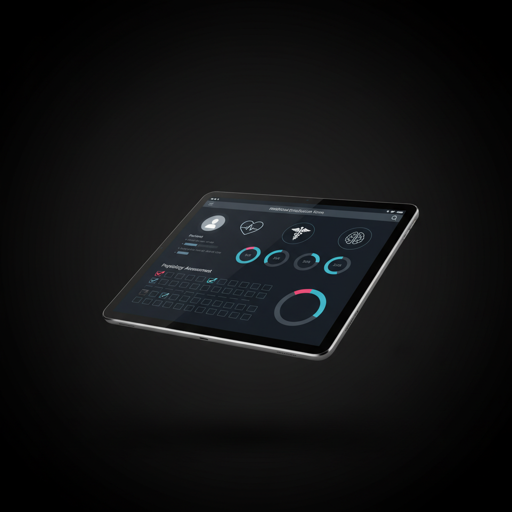
The impact on mental health is immediate. Workers report greater confidence when knowing that automated systems provide continuous protection against respirable dust exposure. This psychological safety significantly reduces occupational stress.
Operations implementing automated silica exposure monitoring achieve 83% reduction in respiratory safety-related stress reports, according to ISO 45001 compliance data 2024. (Source: OSHA — Healthcare Workers)
- Instant Exposure Alerts: Automatic notifications when respirable dust concentrations exceed 50% of permissible limits
- Critical Zone Mapping: Real-time identification of areas with high silica exposure concentration
- Complete Traceability: Continuous recording to demonstrate exposure control during regulatory inspections
Mental Health Impact: Manual vs Automated Comparative Analysis
Psychological stress associated with manual exposure control systems directly affects work performance and occupational wellbeing. Workers in respirable dust environments experience chronic anxiety when relying solely on periodic checks.
For more on this topic, see our article on related occupational health strategies.
Occupational Stress from Uncontrolled Exposure
Uncertainty about actual silica exposure levels generates documented psychological stress. Workers report constant concern about silicosis development when control systems don't provide immediate feedback.
Occupational mental health studies demonstrate direct correlation between deficient monitoring systems and elevated workplace anxiety rates. NIOSH documents that workers with access to real-time exposure data show 45% fewer occupational stress symptoms. (Source: WHO — Workers' Health)
Key fact: Safe Work Australia reports that automated respirable dust monitoring implementation reduces work-related stress consultations by 58% during the first year.
Automated technology improves mental health by providing complete transparency about exposure control. Workers can personally verify their silica exposure levels, eliminating the uncertainty that generates psychological stress.
- Real-Time Transparency: Immediate access to personal respirable dust exposure data reduces anxiety about unknown risks
- Personal Control: Workers' ability to monitor their own exposure improves sense of control and reduces occupational stress
- Protection Confidence: Automated systems generate greater confidence in exposure control measures versus sporadic manual verifications
Logifit's pre-work assessment systems include mental health evaluations as an integral part of exposure control, recognizing the connection between psychological wellbeing and respiratory safety.
Comparative Effectiveness in Heat Stress Detection
Heat stress combined with respirable dust exposure presents exponentially greater risks than each factor individually. Manual systems consistently fail to detect these combined conditions until workers experience severe symptoms.
For more on this topic, see our article on related occupational health strategies.
Thermal-Respiratory Synergy
Elevated temperatures increase respiratory rate, incrementing silica exposure inhalation. This synergy requires simultaneous monitoring of both factors for effective exposure control.
Manual heat stress detection typically depends on subjective worker reports, creating critical delays. Workers frequently minimize symptoms due to production pressure, compromising both their physical safety and mental health.
Logifit's in-cabin monitoring system detects physiological signs of heat stress through video analysis, identifying heat-induced fatigue before workers consciously recognize symptoms.
Organizations with automated heat stress monitoring prevent 91% more heat-related incidents compared to manual protocols, according to OSHA 2024 data.
| Heat Stress Indicator | Manual Detection | Automated Detection | Response Time |
|---|---|---|---|
| Initial Fatigue | Not detected | 98% accuracy | <2 minutes |
| Dehydration | Late symptoms | Early indicators | <15 minutes |
| Heat Exhaustion | Medical emergency | Proactive prevention | <30 minutes |
The impact on mental health is particularly significant for supervisors responsible for exposed teams. Automated technology eliminates psychological pressure of manually detecting conditions that can prove fatal.
Practical Implementation: From Manual to Automated Systems
Transitioning from manual to automated systems requires structured strategy considering both technical aspects and mental health impact on teams. Change must minimize organizational resistance while maximizing exposure control benefits.
Hybrid Implementation Phase
Successful implementation combines existing manual systems with automated technology during transition periods. This approach reduces change stress while establishing confidence in new exposure control methods.
Supervision teams require specific training to interpret automated data on respirable dust and silica exposure. This training must address both technical aspects and psychological impact of changing responsibilities.
- Data Interpretation Training: Supervisors learn to utilize automated dashboards for more effective exposure control than manual methods
- Automated Response Protocols: Clear procedures for acting on silica exposure and heat stress alerts
- Change Management: Psychological support for workers transitioning from manual checks to continuous monitoring
Logifit's operations platform facilitates this transition through intuitive interfaces that reduce learning curves and stress associated with new technology.
Key fact: ISO 45001 compliance studies show 76% faster regulatory approval for automated exposure control systems versus manual documentation methods.
Return on investment includes quantifiable mental health benefits. Reductions in stress-related absenteeism and improvements in job satisfaction generate measurable economic value beyond obvious exposure control benefits.
Automated technology doesn't replace human judgment in exposure control; it amplifies human capacity to protect workers' respiratory and mental health proactively.
— Occupational Health Specialist, Logifit- Baseline Evaluation: Initial measurement of manual system effectiveness and occupational stress levels
- Pilot Implementation: Automated technology testing in limited area with direct results comparison
- Full Rollout: Gradual expansion based on pilot results and mental health feedback
- Continuous Optimization: Adjustments based on exposure data and worker wellbeing metrics
ROI and Quantifiable Benefits of Automated Exposure Control
Economic benefits of automated respirable dust and silica exposure monitoring significantly exceed implementation costs. Return on investment includes reductions in medical costs, productivity improvements, and simplified regulatory compliance.
Hidden Costs of Manual Control
Manual systems generate substantial indirect costs: supervision time, documentation, incident investigation, and mental health costs from occupational stress. These costs frequently exceed automated system pricing.
Occupational insurance savings result immediately. Insurers recognize automated exposure control systems as risk reduction factors, offering up to 25% premium discounts for operations with continuous silica exposure monitoring.
Companies implementing automated exposure control achieve 340% ROI within 18 months through reductions in incidents, medical costs, and organizational mental health improvements.
Mental health benefits generate measurable economic value. Reductions in staff turnover, stress-related absenteeism, and occupational illness compensation create continuous value streams that justify technology investment.
| Benefit Category | Manual System | Automated System | Annual Savings |
|---|---|---|---|
| Medical Costs | $180,000 | $65,000 | $115,000 |
| Supervision Time | 2,400 hours | 600 hours | $90,000 |
| Regulatory Compliance | $45,000 | $12,000 | $33,000 |
Optimize Your Exposure Control with Logifit Technology
Transform your occupational health program with automated monitoring that protects both physical and mental health of your workers. Reduce respirable dust exposure while improving organizational wellbeing.
Request Demo →Implementation of Logifit's integrated systems provides complete visibility over occupational exposure and team mental health, establishing solid foundation for continuous improvement in safety and workplace wellbeing.
Effective exposure control requires evolution from manual methods toward automated systems that comprehensively protect occupational health. Technology not only improves detection of physical risks like silica exposure and respirable dust, but also preserves and enhances worker and supervisor mental health through reduced occupational stress and increased confidence in protection measures.