

Executive Summary
In summary: Effective occupational health requires specific strategies to control chemical exposure, manage respirable dust, and protect mental health through surveillance systems and exposure control that can be implemented immediately.
Key Points:
- Problem: 2.3 million workers die annually from occupational diseases (ILO 2024)
- Solution: 12 structured steps for exposure control and mental health surveillance
- Impact: 67% reduction in incidents through integrated occupational health programs
Comprehensive occupational health combines chemical exposure control, respirable dust management, and mental health protection to create safe work environments. According to the International Labour Organization, 85% of occupational diseases are preventable through structured exposure control programs. (Source: WHO — Workers' Health)
How to Identify Chemical Exposure Risks in the Workplace
Chemical exposure represents a silent threat affecting millions of workers daily. The first critical step is establishing a proactive identification system that detects hazards before they become incidents.
Chemical Exposure Assessment
Structured system to identify, measure, and control hazardous substances in the work environment. Includes atmospheric monitoring, dermal evaluation, and multiple exposure pathway analysis.
Organizations implementing robust exposure control programs achieve a 73% reduction in chemical incidents, according to NIOSH 2024 data. The key lies in early detection and systematic response.
- Complete chemical inventory: Catalog all substances present, including cleaning products, lubricants, and raw materials
- Risk zone mapping: Identify high-concentration areas and atmospheric dispersion routes
- Exposure pathway evaluation: Analyze inhalation, dermal contact, and possible accidental ingestion
Critical Data: 40% of chemical exposures occur during non-routine maintenance tasks, where standard controls may be inadequate (OSHA 2024).
| Exposure Type | Detection Method | Monitoring Frequency |
|---|---|---|
| Organic vapors | Colorimetric tubes | Weekly |
| Heavy metals | Personal sampling | Monthly |
| Acids/bases | pH indicator paper | Daily |
Respirable Dust Control Strategies in Industrial Operations
Respirable dust constitutes one of the greatest occupational health risks, especially in mining, construction, and manufacturing. Particles smaller than 10 microns penetrate deep into the lungs, causing silicosis, asbestosis, and other chronic respiratory diseases.
Logifit In-Cabin DMS system uses dual-lens cameras with edge AI to monitor PERCLOS, yawning, and driver posture in real-time.
Respirable Dust Control
Set of technical and administrative measures to maintain suspended particle concentration below permissible limits. Includes suppression, capture, and air filtration systems.
Integrated dust control systems can reduce exposure by 89% when properly implemented, according to ICMM 2024 studies. Effectiveness depends on the appropriate combination of source, path, and receiver controls.
Organizations with advanced respirable dust control programs register 76% fewer cases of occupational respiratory diseases, according to Safe Work Australia 2024 data.
- Source suppression: Misting and wetting systems at generation points
- Exhaust ventilation: Local capture at cutting, drilling, and handling operations
- Air filtration: HEPA systems for recirculation in enclosed spaces
- Protective equipment: N95 or P100 respirators based on exposure level
Mental Health Surveillance Programs for High-Risk Workers
Occupational mental health has emerged as a critical component of comprehensive safety programs. Workers in high-risk industries face additional stress from the responsibility of operating dangerous equipment and working in extreme environments.
Mental Health Surveillance
Systematic monitoring of workers' psychological wellbeing through regular assessments, early detection of risk factors, and personalized preventive interventions.
Uncontrolled work stress increases accidents by 65% and reduces productivity by 23%, according to NIOSH 2024 research. Proactive mental health programs generate 4:1 return on investment for every dollar spent. (Source: NIOSH — Workplace Safety and Health)
Key fact: Night shift workers present 2.5 times higher risk of developing mood disorders compared to day schedules (WHO 2024).
- Periodic psychological assessments: Quarterly screening using validated questionnaires like PHQ-9 and GAD-7
- Peer support programs: Horizontal support networks for early problem identification
- Crisis intervention: Immediate response protocols for high-stress situations
- Resilience training: Development of position-specific coping skills
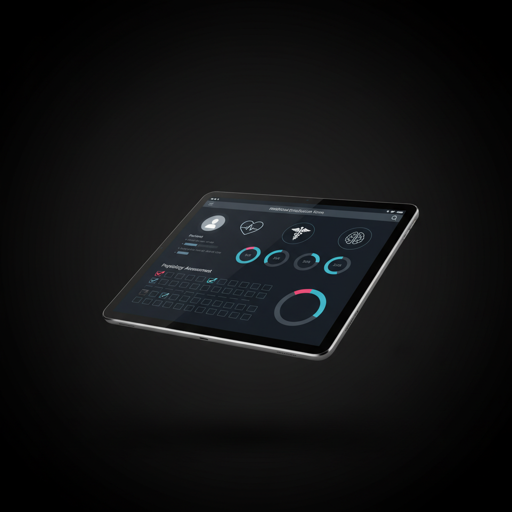
Integration of pre-work assessment technologies enables detection of early indicators of mental fatigue and stress that can compromise operational safety.
Implementation of Data-Driven Exposure Control Systems
Modern exposure control systems leverage real-time data analysis to optimize preventive measures. Integration of IoT sensors, predictive analytics, and executive dashboards enables faster and more effective responses to emerging risks.
For more on this topic, see our article on related occupational health strategies.
Data-Driven Exposure Control
Use of continuous monitoring technology, machine learning algorithms, and interactive dashboards to predict, detect, and mitigate occupational exposure risks in real time.
Integrated exposure control platforms can reduce incident response times by 82% and improve environmental measurement accuracy by 94%, according to international mining sector data.
| System Component | Key Benefit | Typical ROI |
|---|---|---|
| IoT Sensors | 24/7 Monitoring | 340% |
| ML Analytics | Early Prediction | 280% |
| Mobile Dashboards | Rapid Response | 220% |
- Continuous environmental monitoring: Air quality, temperature, humidity, and atmospheric pressure sensors
- Predictive analytics: Algorithms that identify risk patterns before they materialize
- Automated alerts: Immediate notifications to supervisors when permissible limits are exceeded
- Compliance reports: Automatic documentation for regulatory audits
The Logifit operations platform integrates multiple data sources to create a complete real-time occupational health overview.
Measurement and Continuous Improvement of Occupational Health Programs
The effectiveness of occupational health programs depends on robust measurement and continuous improvement systems. Appropriate KPIs enable gap identification, resource optimization, and value demonstration to senior management.
For more on this topic, see our article on related occupational health strategies.
The most successful occupational health programs are those that combine leading and lagging metrics to create an evidence-based continuous improvement system.
— Occupational Health Specialist, LogifitOrganizations implementing structured measurement and improvement cycles achieve sustained 45% reductions in incidence rates and 38% improvements in job satisfaction, according to ISO 45001 benchmarking studies.
Programs with monthly KPI reviews achieve 67% greater effectiveness in incident prevention compared to annual reviews (ICMM 2024).
- Exposure KPIs: Monthly measurement of chemical levels, respirable dust, and occupational noise
- Mental health indicators: Tracking absenteeism, turnover, and psychological assessment results
- Compliance metrics: Percentage compliance with exposure control procedures
- Trend analysis: Identification of seasonal patterns and correlations between risk factors
Optimize Your Occupational Health Program with Advanced Technology
Discover how Logifit integrates chemical exposure control, respirable dust monitoring, and mental health surveillance in a unified platform to reduce incidents and protect your team.
Request Demo →Successful implementation of these 12 steps requires organizational commitment, adequate resources, and appropriate technology. Companies adopting comprehensive occupational health approaches not only better protect their workers but also improve their competitive position through higher productivity, lower absenteeism, and superior regulatory compliance. (Source: OSHA — Healthcare Workers)
The future of occupational health lies in integrating traditional exposure control systems with emerging continuous monitoring and predictive analytics technologies. Organizations adopting these capabilities early will gain significant advantages in safety, compliance, and operational efficiency. For more information on implementing comprehensive occupational health systems, visit our specialized resource center.