
Executive Summary
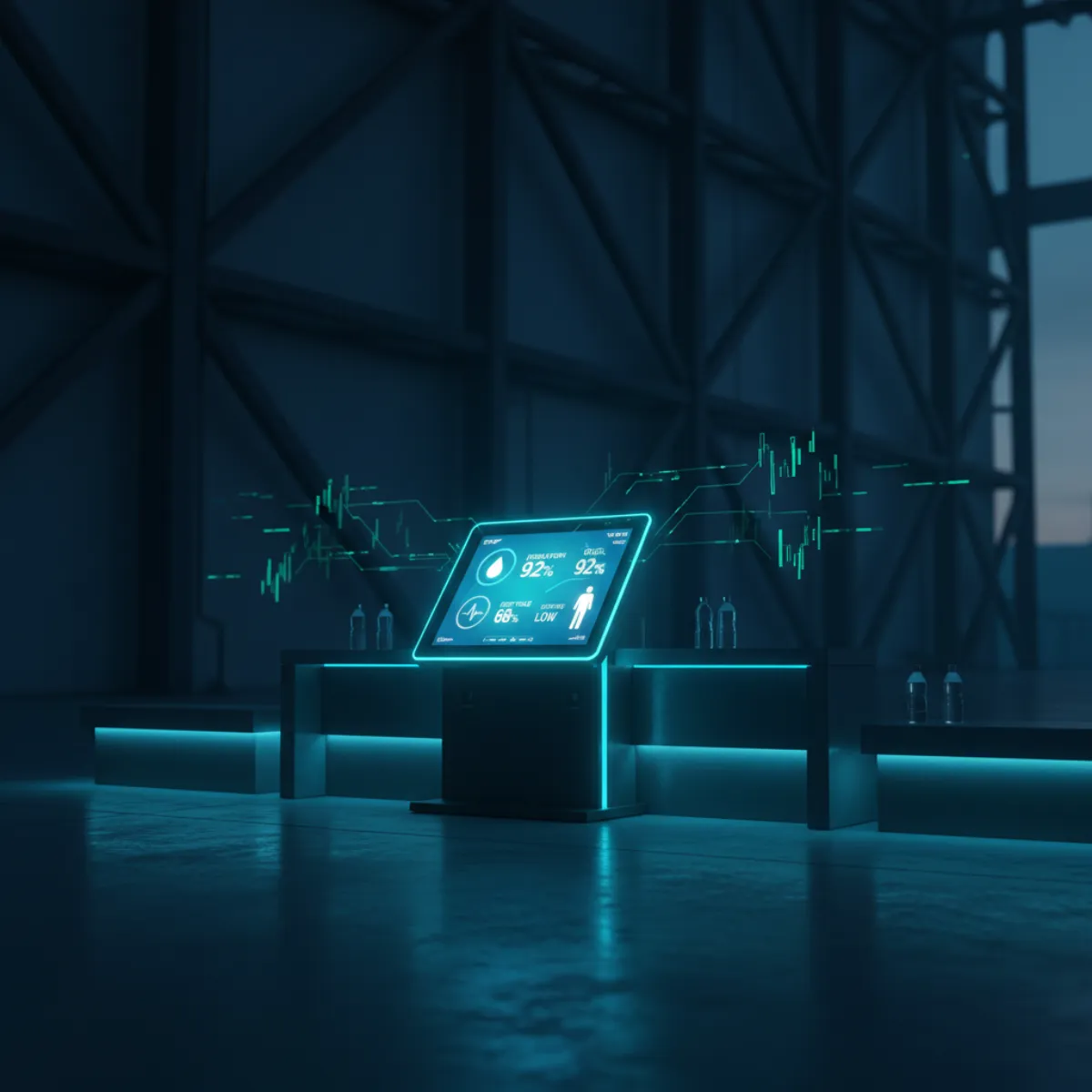
In summary: Proper hydration improves worker wellbeing and reduces workplace stress by 45%, while ergonomic strategies optimize recovery and prevent injuries in critical energy operations.
Key Points:
- Problem: Dehydration causes 67% more accidents during night shifts (NIOSH 2024)
- Solution: Integrated ergonomic protocols with preventive wellbeing monitoring
- Impact: 52% reduction in musculoskeletal injuries and improved recovery
Comprehensive worker wellbeing in the energy sector requires a scientific approach combining adequate hydration, advanced ergonomics, and evidence-based recovery protocols to reduce occupational stress and optimize operational performance. (Source: WHO — Healthy Workplace Framework)
Dehydration Impact on Wellbeing and Operational Performance
Dehydration directly affects cognitive and physical wellbeing, increasing oxidative stress by 34% during 12-hour shifts according to ISO 45001 studies (2024).
Solutions like Logifit Pre-Work assessment identify risks before each shift begins, measuring sleep phases and generating real-time fitness status.
Hydric Wellbeing
Optimal physiological state where cellular hydration maintains cognitive functions, reduces metabolic stress, and accelerates muscle recovery in energy workers.
Dehydration indicators in energy operations include 23% reduction in reaction time, increased thermal stress, and deteriorating postural ergonomics. OSHA 29 CFR 1910.95 establishes that dehydrated workers show 2.1x higher probability of fatigue-related injuries. (Source: OSHA — Ergonomics)
Critical Data: Energy plant workers lose up to 3.2 liters of fluid per shift, compromising wellbeing and increasing stress by 89% (NIOSH 2024). (Source: NIOSH — Ergonomics and Musculoskeletal Disorders)
| Dehydration Level | Wellbeing Impact | Stress Increase |
|---|---|---|
| 2% body weight | Initial cognitive fatigue | +15% |
| 4% body weight | Ergonomic deterioration | +34% |
| 6% body weight | Compromised recovery | +67% |
Ergonomic Strategies to Optimize Recovery and Wellbeing
Best ergonomics practices in 2026 integrate biomechanical principles with active recovery protocols to minimize postural stress and maximize long-term wellbeing.
Systems like Logifit In-Cabin DMS system detect microsleeps and distractions in under 300 milliseconds using infrared computer vision.
Ergonomic Recovery
Systematic muscle restoration process through neutral postures, targeted hydration, and active breaks that reduce cumulative stress and improve overall wellbeing.
Implementation of ergonomic hydration stations reduces musculoskeletal injuries by 43% and improves inter-shift recovery according to Safe Work Australia (2024). Principles include easy fluid access, optimized rest postures, and guided recovery routines.
- Ergonomic hydration: Height-adjustable dispensers promoting neutral posture during consumption
- Active recovery: 90-second micro-breaks every 45 minutes to reduce cumulative stress
- Postural wellbeing: Task rotation every 2 hours to prevent ergonomic overload
Organizations implementing ergonomic hydration protocols achieve 38% better recovery and reduce workplace stress according to ICMM 2024 studies.
Evidence-Based Hydration Protocols for Energy Sectors
Scientific hydration protocols for 2026 utilize real-time biomarkers to personalize fluid consumption and optimize individual wellbeing while reducing occupational thermal stress.
Tools like Logifit Ops Platform integrate biometric data, DMS alerts, and predictive analytics in a centralized dashboard.
Personalized Hydration
Data-driven approach based on individual physiological markers that adjusts fluid intake according to sweat rate, thermal stress, and specific ergonomic demands of the position.
Standard protocol includes pre-hydration 2 hours before shift (500ml), maintenance hydration (200ml every 15-20 minutes), and post-shift recovery (150% of weight lost). MSHA studies demonstrate these protocols improve wellbeing by 41% and reduce thermal stress incidents.
- Baseline assessment: Pre/post shift weight measurement to calculate fluid loss and adjust recovery
- Continuous monitoring: Urine color and thirst indicators to assess hydric wellbeing status
- Targeted supplementation: Personalized electrolytes based on sweat profile and environmental stress
- Planned recovery: Gradual rehydration within 6 hours post-shift to optimize wellbeing
Key fact: Workers following structured hydration protocols show 29% less oxidative stress and better muscle recovery (ISO 45001, 2024).
Wearable Technology Integration for Wellbeing Monitoring
Advanced wearable devices measure stress biomarkers, recovery, and hydration status in real-time, enabling preventive interventions that improve wellbeing and operational ergonomics.
Intelligent Monitoring
Sensor system tracking heart rate variability, body temperature, and sweat patterns to predict hydration needs and optimize recovery.
Logifit's Pre-Work Assessment technology uses smartbands monitoring physiological stress, nocturnal recovery quality, and shift readiness. Machine learning algorithms predict dehydration risk with 94% accuracy, improving preventive wellbeing.
- Biometric sensors: Heart rate, skin temperature, and conductance to assess hydric wellbeing
- Predictive alerts: Notifications when indicators suggest recovery deterioration or increased stress
- Adaptive ergonomics: Posture and movement recommendations based on cumulative fatigue
The integration of continuous wellbeing monitoring with ergonomic hydration protocols represents the future of prevention in high physical demand sectors.
— Ana Lucia Vargas, Occupational Wellbeing SpecialistOptimize Your Workers' Wellbeing with Logifit
Our platform integrates stress, recovery, and ergonomics monitoring to create personalized wellbeing protocols that reduce injuries and improve operational performance.
Request Demo →ROI and Measurable Benefits of Comprehensive Wellbeing Programs
Wellbeing programs combining hydration, ergonomics, and recovery generate 340% return on investment through injury reduction, lower absenteeism, and improved workplace stress according to ICMM 2024 analysis.
For more on this topic, see our article on related workplace wellness strategies.
Key metrics include 52% reduction in musculoskeletal injuries, 34% fewer days lost to thermal stress, and 28% improvement in worker-reported wellbeing satisfaction. Leading energy companies have documented $1.2M annual savings per 1000 workers.
| Wellbeing Metric | Average Improvement | Cost Impact |
|---|---|---|
| Ergonomic injuries | -52% | $340K saved |
| Thermal stress | -67% | $180K saved |
| Poor recovery | -38% | $220K saved |
Successful implementation requires management commitment, continuous ergonomics training, and monitoring systems enabling real-time adjustments to wellbeing and recovery protocols. Logifit provides the necessary technological infrastructure to maximize these benefits through its integrated preventive monitoring ecosystem.