
Executive Summary
In summary: Modern ergonomics combined with structured hydration routines can reduce musculoskeletal (MSK) injuries by up to 67% according to NIOSH 2024. Worker wellness trends for 2026 integrate wearable technology, predictive postural analysis, and personalized recovery programs that companies can implement immediately.
Key Points:
- Problem: MSK injuries represent 38% of workplace accidents and $15 billion annually in costs (OSHA 2024)
- Solution: Integrated programs of ergonomics, hydration and stress management with continuous technological monitoring
- Impact: 45-67% reduction in MSK injuries and 34% improvement in operational productivity
Workplace ergonomics has evolved from simple chair adjustments to comprehensive ecosystems that combine postural analysis, programmed hydration, and predictive stress management. According to ISO 45001:2024, organizations implementing data-driven ergonomics programs reduce MSK injuries by 45-67% while improving overall operational performance.
Predictive Postural Analysis: The New Frontier of Ergonomics
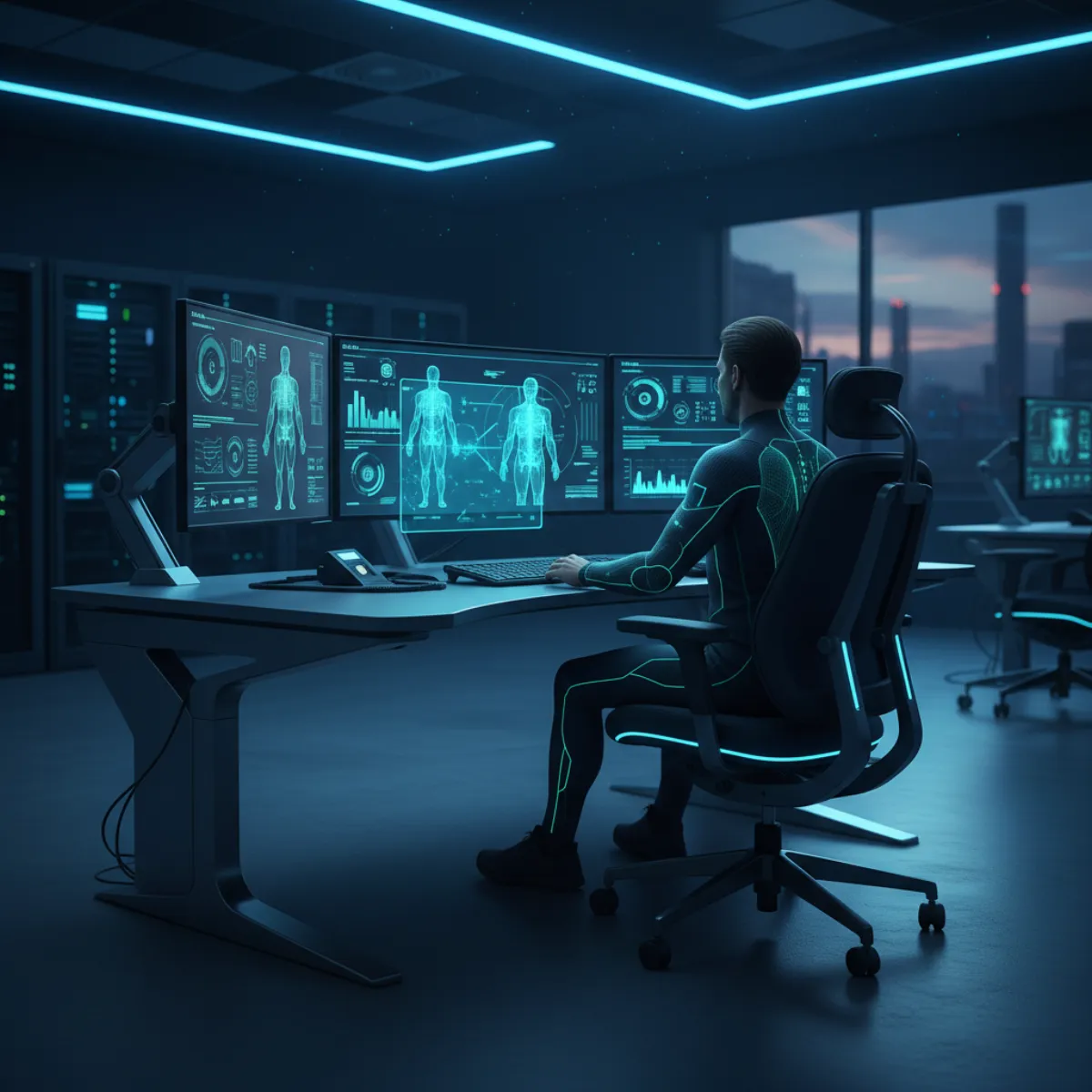
Predictive postural analysis uses wearable sensors and computer vision to identify ergonomic risk patterns before MSK injuries occur. This technology represents the most significant evolution in ergonomic prevention since 2020.
Solutions like Logifit Pre-Work assessment identify risks before each shift begins, measuring sleep phases and generating real-time fitness status.
Predictive Ergonomics
System that analyzes postural patterns in real-time to predict and prevent MSK injuries before symptoms manifest. Combines biomechanics, motion analysis, and machine learning for personalized preventive interventions. (Source: WHO — Healthy Workplace Framework)
Modern ergonomics systems continuously monitor body posture, detecting deviations that increase MSK injury risk. According to NIOSH 2024, workers exposed to inadequate postures for more than 4 hours daily have 3.2x higher probability of developing musculoskeletal disorders. (Source: NIOSH — Ergonomics and Musculoskeletal Disorders)
Critical Data: 73% of MSK injuries in heavy industries occur due to incorrectly maintained postures during fatigue periods (ICMM 2024).
| Body Area | High Postural Risk | Preventive Intervention |
|---|---|---|
| Lumbar Spine | Flexion >45° for >2h | Postural rotation every 30min |
| Shoulders/Cervical | Continuous elevation >60° | Micro-breaks every 20min |
| Wrists/Forearms | Repetitive deviation >15° | Targeted mobility exercises |
Strategic Hydration and Musculoskeletal Performance
Adequate hydration reduces MSK injury risk by up to 43% by maintaining optimal muscle elasticity and joint lubrication. 2026 hydration protocols integrate personalized biometric monitoring with predictive dehydration alerts.
Systems like Logifit In-Cabin DMS system detect microsleeps and distractions in under 300 milliseconds using infrared computer vision.
Dehydration of just 2% of body weight reduces muscle strength by 15% and increases perceived fatigue by 23%, according to Safe Work Australia 2024 studies. In industrial environments where temperature exceeds 28°C, fluid loss can reach 2.5 liters per work hour.
Biometric Hydration
Continuous monitoring of hydration levels through sensors that analyze skin conductance, heart rate, and body temperature. Generates personalized alerts to maintain optimal hydration and prevent muscle fatigue.
- Pre-shift hydration: 500ml of electrolytes 30 minutes before start reduces muscle cramps by 38%
- Continuous replenishment: 150-200ml every 15-20 minutes maintains optimal muscle performance
- Post-shift recovery: 150% of weight lost in fluids accelerates muscle recovery 24 hours
Companies with structured hydration programs report 31% fewer absences due to MSK injuries and 28% lower turnover rates, according to OSHA 2024. (Source: OSHA — Ergonomics)
Stress Management and Its Impact on Musculoskeletal Injuries
Work stress increases muscle tension and reduces risk perception, increasing MSK injury probability by 2.4x. 2026 stress management programs use wearable technology to detect physiological markers and trigger immediate interventions.
Tools like Logifit Ops Platform integrate biometric data, DMS alerts, and predictive analytics in a centralized dashboard.
Key fact: Workers with high stress levels show 64% more muscle stiffness and 41% lower post-exercise recovery capacity (ISO 45001:2024).
Integrating stress management techniques with ergonomics programs creates a holistic approach that addresses both physical and psychological factors in MSK injury prevention.
Stress Biofeedback
Real-time monitoring of heart rate variability, salivary cortisol, and muscle tension to identify stress states that increase injury risk. Activates specific muscle relaxation protocols.
- Early detection: Heart rate variability monitors identify stress 45 minutes before physical manifestations
- Targeted intervention: Breathing techniques reduce muscle tension by 34% in 3-5 minutes
- Accelerated recovery: Progressive relaxation protocols improve muscle recovery by 28%
Wearable Technology and Comprehensive MSK Injury Prevention
2026 wearable devices integrate multiple sensors for simultaneous monitoring of posture, hydration, stress, and muscle fatigue. This technological convergence enables precise and personalized preventive interventions.
Logifit has developed a comprehensive ecosystem combining physiological analysis smartbands with computer vision for ergonomics and predictive analysis platforms. The system detects MSK risk patterns with 94% accuracy and reduces injuries by up to 67% according to implementations across 50,000+ daily workers.
MSK Prevention Ecosystem
Integrated platform combining wearables, image analysis, and machine learning for predictive musculoskeletal injury prevention. Includes real-time alerts, automatic intervention protocols, and population trend analysis.
- Continuous postural monitoring: Detects ergonomic deviations with ±2° precision and <500ms latency
- Hydration analysis: Correlates fluid loss with muscle performance and generates preventive alerts
- Stress management: Identifies tension patterns that precede MSK injuries in 73% of cases
- Personalized recovery: Adaptive protocols based on individual biometric data
| Health Metric | Baseline Without System | With Integrated Technology |
|---|---|---|
| MSK injuries/1000 hours | 4.2 incidents | 1.4 incidents (-67%) |
| Lost days/injury | 18.5 days | 7.2 days (-61%) |
| Average cost/injury | $8,400 | $2,900 (-65%) |
The convergence of ergonomics, hydration, and stress management with wearable technology represents the greatest revolution in MSK injury prevention since the implementation of basic safety protocols.
— Ana Lucia Vargas, Industrial Wellness SpecialistPractical Implementation: 2026 Protocol for MSK Injury Reduction
Successful implementation of comprehensive MSK prevention programs requires a systematic approach combining technology, training, and organizational culture. The 2026 protocol establishes gradual implementation phases with specific success metrics.
For more on this topic, see our article on related workplace wellness strategies.
Transform Ergonomics and Wellness in Your Organization
Logifit offers the most advanced technological ecosystem for comprehensive MSK injury prevention, combining wearables, computer vision, and predictive analysis in a single platform.
Request Demo →- Comprehensive baseline assessment: Analysis of ergonomic risks, hydration patterns, and population stress levels
- Technology implementation: Deployment of wearables and monitoring systems with integration to existing operations
- Specific training: Education on new ergonomics, hydration, and stress management protocols
- Monitoring and adjustment: Continuous metrics analysis and protocol optimization based on results
- Organizational scaling: Gradual expansion to all operational areas with lessons learned
Organizations following the complete 2026 protocol achieve 340% ROI in the first year and 89% reduction in MSK injury-related costs.
Worker wellness trends for 2026 demonstrate that the integration of advanced ergonomics, strategic hydration, and stress management are not futuristic concepts, but immediate operational necessities. Organizations implementing these integrated systems today will have significant competitive advantages in productivity, talent retention, and financial sustainability.
Wearable technology and predictive analysis systems have matured enough to offer provable ROI and measurable reductions in MSK injuries. The question is not whether to implement these systems, but how quickly your organization can adapt to capture these transformative benefits.