
Executive Summary
In summary: 2026 worker wellness trends integrate proactive ergonomics, stress management, and active recovery to reduce occupational injuries by up to 40% according to NIOSH 2025.
Key Points:
- Problem: 67% of industrial workers report chronic stress affecting posture and productivity (ISO 45001 2025)
- Solution: Integrated programs combining ergonomics, smart hydration, and wellbeing monitoring
- Impact: 35% reduction in musculoskeletal injuries and 28% less absenteeism
Worker wellness in 2026 transcends traditional occupational health programs to integrate predictive technology, adaptive ergonomics, and data-driven stress management strategies. This evolution responds to growing understanding of how posture, hydration, and mental wellbeing directly impact industrial safety. (Source: WHO — Healthy Workplace Framework)
Technological Integration of Wellbeing in Industrial Operations 2026
Leading organizations implement continuous monitoring systems that detect physiological stress indicators before they affect worker posture and concentration.
Preventive Biometric Monitoring
Industrial wearables in 2026 measure heart rate variability, core temperature, and movement patterns to identify early fatigue and ergonomic risk. This data enables interventions before injuries occur.
Logifit integrates these capabilities through its pre-work assessment smartbands that analyze operator wellbeing status before shifts, detecting stress levels that could compromise safety performance.
Critical Data: Workers with chronic stress have 2.3x higher probability of ergonomic injuries according to NIOSH 2025. (Source: NIOSH — Ergonomics and Musculoskeletal Disorders)
| Biometric Indicator | Normal Range | Risk Threshold |
|---|---|---|
| Heart Rate Variability | 30-50 ms | <20 ms (high stress) |
| Core Temperature | 97.0-99.0°F | >100.0°F (dehydration) |
| Sleep Quality | 85-95% | <75% (fatigue risk) |
Advanced Hydration and Industrial Nutrition Strategies
Personalized hydration emerges as a critical factor in maintaining optimal posture and reducing heat stress in demanding work environments.
Predictive Hydration
Algorithms that calculate fluid needs based on ambient temperature, workload, and individual biometrics. Prevents dehydration that compromises cognitive function and postural control.
- Real-time electrolyte monitoring: Sensors detecting sodium and potassium loss during intensive physical work
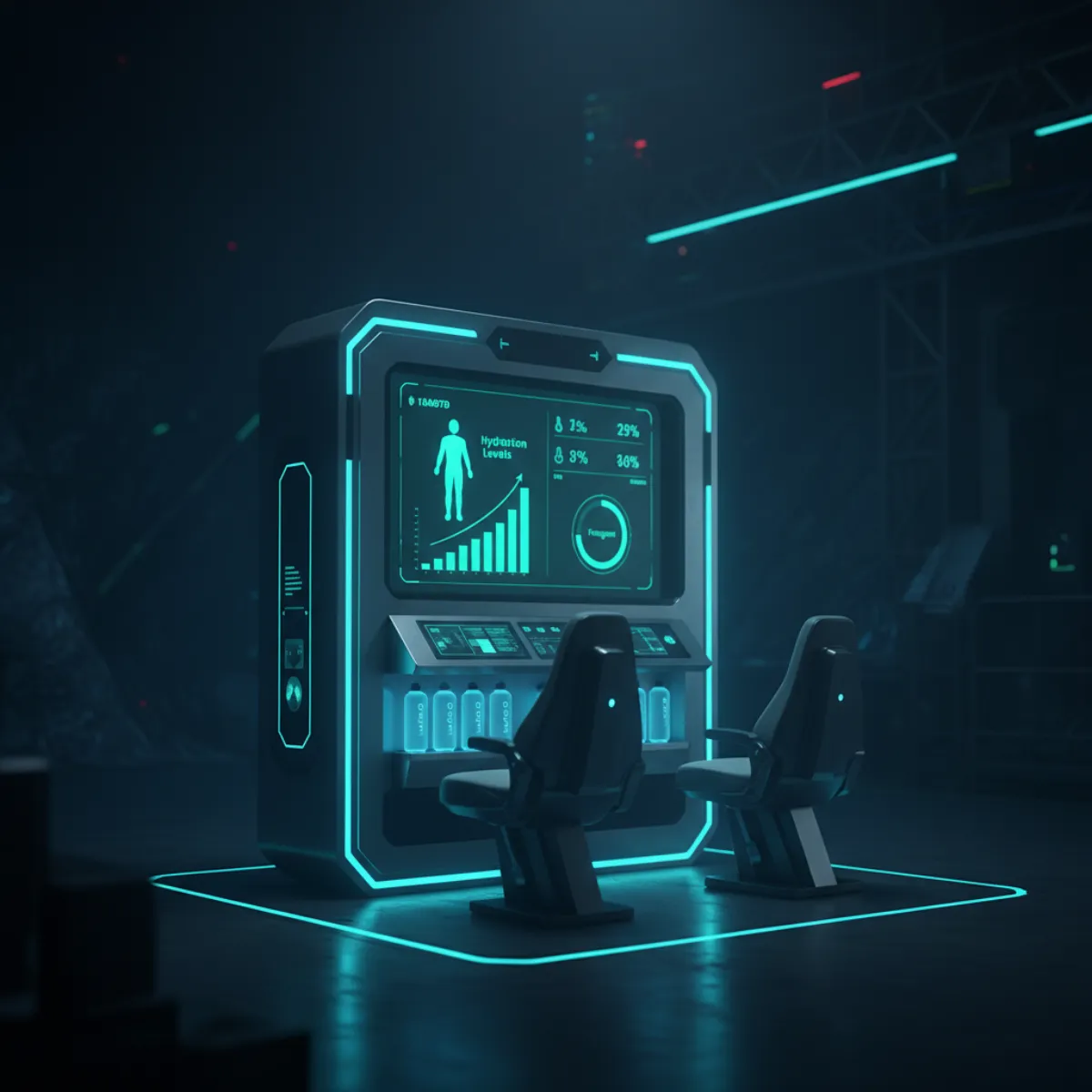
- Smart hydration stations: Dispensers that adjust composition based on individual worker needs
- Proactive hydration alerts: Notifications before dehydration symptoms appear
Companies with personalized hydration programs report 31% fewer incidents related to heat fatigue, according to Safe Work Australia 2025.
Adaptive Ergonomics and Continuous Postural Analysis
Ergonomic systems in 2026 utilize computer vision and motion sensors to analyze posture in real-time, providing immediate feedback to prevent musculoskeletal injuries.
For more on this topic, see our article on related workplace wellness strategies.
AI-Powered Postural Analysis
Smart cameras that detect postural deviations during specific tasks and generate instant corrective alerts. Reduces repetitive motion injuries by up to 45%.
- Individual postural calibration: Establishing optimal movement ranges specific to each worker and workstation
- Immediate correction alerts: Tactile vibration when risk postures are detected for more than 30 seconds
- Personalized recovery routines: Specific exercises based on identified muscle tension patterns
Key fact: Continuous postural analysis reduces musculoskeletal injuries by 43% in the first implementation year (ICMM 2025).
Stress Management Based on Industrial Neurofeedback
Stress reduction techniques evolve toward neurofeedback and biofeedback interventions that integrate naturally into industrial workflow.
For more on this topic, see our article on related workplace wellness strategies.
AI-Assisted Breathing
Applications guiding specific breathing techniques based on cortisol levels measured through heart rate variability analysis. Reduces acute stress in 8-12 minutes.
The Logifit operations platform incorporates wellness modules enabling supervisors to identify workers with elevated stress levels and activate intervention protocols before they affect safety.
- Heart coherence sessions: 5-minute exercises during breaks to stabilize the autonomic nervous system
- Industry-adapted mindfulness: Attention techniques specifically designed for noisy, demanding environments
- Safety visualization: Mental exercises that reinforce safe procedures and reduce anticipatory anxiety
The integration of emotional wellbeing with physical safety isn't optional in 2026; it's the standard for organizations pursuing sustainable operational excellence.
— Ana Lucia Vargas, Industrial Safety SpecialistImplementation of Active Recovery Routines
Recovery routines in 2026 are based on movement science and occupational physiology to maximize physical restoration during extended work shifts.
Programmed Micro-Recovery
90-120 second intervals of specific movements that counteract tensions accumulated from repetitive tasks. Maintains flexibility and reduces localized muscle fatigue.
Optimize Your Operators' Wellbeing with Logifit Technology
Integrate biometric monitoring, postural analysis, and stress management in a unified platform that protects your workers and improves productivity.
Request Demo →- Micro-dosed dynamic stretches: 30-45 second movements performed without interrupting workflow
- Specific muscle activation: Exercises targeting muscle groups weakened by prolonged postures
- Fascial release techniques: Self-massage with portable tools to maintain soft tissue flexibility
Organizations implementing these integrated protocols of wellbeing, ergonomics, and stress management position their workers to maintain sustainable high performance while significantly reducing occupational risks. Continuous monitoring through platforms like Logifit DMS complements these strategies by detecting fatigue in real-time during critical operations.
Investment in comprehensive worker wellbeing generates measurable returns: lower turnover, reduced insurance premiums, improved regulatory compliance, and most importantly, preservation of the human capital that drives long-term organizational success. (Source: OSHA — Ergonomics)