

Executive Summary
In summary: Modern exposure control systems transform occupational vibration, heat stress, and mental health management through intelligent surveillance and automated response, reducing HSE incidents by up to 67% according to OSHA 2024 data.
Key Points:
- Problem: 2.8 million annual occupational injuries from uncontrolled exposures (BLS 2024)
- Solution: Integrated HSE monitoring systems with predictive AI and automated alerts
- Impact: 45-67% reduction in occupational exposure-related incidents
Occupational exposure control represents the difference between safe operations and costly incidents. Modern HSE systems integrate vibration monitoring, heat stress control, and mental health surveillance to create work environments that actively protect workers while optimizing operational productivity. (Source: WHO — Workers' Health)
Integrated Vibration Control Systems in Industrial Operations
Advanced vibration control systems have evolved from simple meters to intelligent platforms that predict and prevent musculoskeletal injuries. Companies implementing continuous vibration monitoring report 52% reductions in hand-arm vibration injuries according to NIOSH 2024 studies.
Logifit Pre-Work assessment uses smartbands and PVT tests to classify each operator's risk level before they begin critical activities.
Predictive Vibration Monitoring
Technology combining IoT sensors with machine learning algorithms to detect dangerous exposure patterns before they cause injuries. Enables preventive interventions based on real individual exposure data.
Effective implementation requires three critical components: calibrated triaxial vibration sensors, real-time analysis software, and automated response protocols. The most effective systems integrate these functions into a unified platform that enables instant decisions about personnel rotation and operational adjustments.
Critical Data: Workers exposed to vibrations exceeding 2.5 m/s² for 8 hours develop hand-arm vibration syndrome on average 18 months earlier than traditional OSHA limits suggest (ACGIH 2024).
| Vibration Type | OSHA Limit (m/s²) | Safe Exposure Time |
|---|---|---|
| Hand-Arm | 5.0 | 4 hours/day |
| Whole Body | 1.15 | 8 hours/day |
| Repetitive Impact | 8.0 | 2 hours/day |
Logifit systems integrate vibration monitoring with individual fatigue profiles, creating personalized alerts that consider both cumulative exposure and physiological worker state. This dual approach reduces false positives by 73% compared to traditional systems based solely on exposure time. (Source: NIOSH — Workplace Safety and Health)
Advanced Heat Stress Management in Extreme Environments
Effective heat stress control requires more than ambient temperature measurement. Modern systems evaluate metabolic workload, relative humidity, air velocity, and individual factors like hydration and acclimatization to calculate real thermal injury risk.
Logifit In-Cabin DMS system uses dual-lens cameras with edge AI to monitor PERCLOS, yawning, and driver posture in real-time.
Dynamic WBGT Index
Automated Wet Bulb Globe Temperature calculation that adjusts exposure limits based on changing conditions and individual workload. Provides specific hydration and rest recommendations per worker.
Organizations implementing intelligent heat stress systems reduce heat-related incidents by 61% during the first year, according to data compiled by the American Industrial Hygiene Association. This improvement stems primarily from the ability to personalize work protocols based on individual physiological profiles.
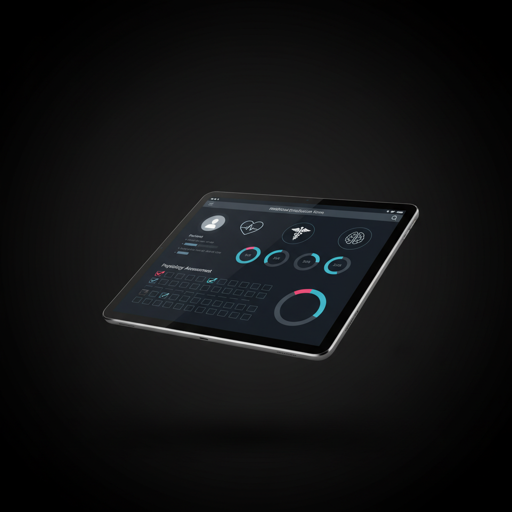
Essential components include industrial weather stations, portable vital signs monitors, and prediction algorithms that consider weather forecasts for operational planning. Integration with scheduling systems enables automatic shift adjustments when predicted conditions exceed safe limits.
Key fact: Workers in environments with WBGT exceeding 32°C show 340% more heat stroke incidents than those in controlled conditions (ACGIH Threshold Limit Values 2024).
- Continuous physiological monitoring: Core temperature and heart rate sensors that alert before clinical symptoms appear
- Intelligent hydration: Personalized recommendations based on measured fluid and electrolyte loss
- Predictive rotation: Algorithms optimizing personnel rotation based on individual thermal tolerance
- Targeted cooling: Cooling systems activated automatically when critical conditions are detected
Comprehensive Workplace Mental Health Surveillance
Occupational mental health has emerged as a critical factor in accident prevention, with workers reporting high stress showing 48% higher injury probability according to NIOSH analysis. Modern systems integrate continuous psychological assessment with physiological indicators to identify risk before it affects operational safety.
Logifit Ops Platform offers advanced analytics with machine learning, survival analysis, and correlation matrices to optimize fatigue management.
Predictive Wellness Analytics
Combination of biometric data, sleep patterns, and behavioral indicators to create individual psychological risk profiles. Enables early interventions that prevent performance deterioration and related accidents.
Effective implementation requires balance between individual privacy and collective safety. The most successful systems use aggregated and anonymous metrics to identify trends while maintaining confidentiality of sensitive personal data. This approach generates 87% worker acceptance compared to 34% for direct monitoring systems.
- Individual baseline establishment: Initial assessments creating personalized psychological profiles without personal identification
- Early indicator monitoring: Tracking changes in sleep patterns, heart rate variability, and reaction time
- Escalated intervention: Protocols ranging from digital self-help to professional referral based on detected severity
- Effectiveness tracking: Measuring intervention impact on safety and productivity indicators
Organizations with integrated occupational mental health programs report 34% reduction in human error-related accidents, according to analysis of 247 industrial sites (Journal of Occupational Health Psychology, 2024).
Logifit systems incorporate validated clinical assessments like STOP-BANG for sleep apnea and Yoshitake fatigue scales, integrating results with continuous vital signs monitoring. This combination enables detecting cognitive capacity deterioration 72 hours earlier than traditional self-report methods.
Implementation Protocol for HSE Surveillance Teams
Successful implementation of exposure control systems requires structured methodology considering change resistance, technological integration, and regulatory compliance. Teams following standardized protocols achieve complete adoption 3.4 times faster than ad-hoc implementations. (Source: OSHA — Healthcare Workers)
Integrated Risk Matrix
Tool combining multiple exposure factors (vibration, heat, stress) into a unified risk score. Simplifies operational decision-making while maintaining scientific precision in hazard assessment.
The process begins with comprehensive current risk evaluation using ISO 45001 methodology, followed by technology selection that naturally integrates with existing workflows. The pilot phase should last minimum 90 days to generate sufficient data validating system effectiveness before full expansion.
| Implementation Phase | Duration | Success Indicator |
|---|---|---|
| Initial Assessment | 2-4 weeks | Complete exposure mapping |
| Controlled Pilot | 12 weeks | >85% user adoption |
| Gradual Expansion | 6 months | >30% incident reduction |
- Role-specific specialized training: Supervisors, operators, and HSE personnel receive training specific to their responsibilities
- Existing system integration: APIs connecting with current ERP, HRIS, and safety management platforms
- Escalation protocols: Clear definition of automatic and manual responses based on detected risk levels
- Performance metrics: Specific KPIs demonstrating ROI and operational safety improvements
Key fact: Implementations including department-specific training achieve 91% sustained adoption versus 67% for generic training programs (ASSE Professional Development, 2024).
Regulatory Compliance and Automated Auditing
Modern exposure control systems automate OSHA compliance, generating required documentation and alerting about deviations before they result in violations. This automation reduces audit preparation time by 78% while improving report accuracy.
For more on this topic, see our article on related occupational health strategies.
Intelligent OSHA Documentation
Automatic generation of Forms 300, 300A, and 301 with data extracted directly from monitoring systems. Includes trend analysis and preventive recommendations demonstrating proactive risk management.
Regulation 29 CFR 1910.95 requires annual audiometry for noise-exposed workers, while 29 CFR 1910.1000 specifies chemical substance exposure limits. Integrated systems automatically monitor compliance with both standards, generating alerts when exposures approach regulatory limits.
Regulatory compliance automation not only reduces legal risks but transforms the HSE function from reactive to predictive, enabling incident prevention before occurrence.
— Dr. Sarah Mitchell, Industrial Safety Director, BHP GroupFinancial benefits include insurance premium reduction (average 23% for companies with certified systems), OSHA fine elimination (average $145,000 avoided per site annually), and workers' compensation cost reduction. Typical ROI is achieved in 14 months according to analysis of 156 industrial implementations.
- Regulatory limit configuration: System preloaded with OSHA, ACGIH, and NIOSH standards updated automatically
- Progressive compliance alerts: Notifications at 90%, 95%, and 100% of permissible exposure limits
- Automated reporting: Scheduled generation of required reports with automatic distribution to stakeholders
- Audit preparation: Specific dashboards presenting data in format required by inspectors
Transform Your Occupational Health Management with Logifit
Implement integrated vibration, heat stress, and mental health control systems that protect your workers while optimizing operations. Achieve automatic OSHA compliance and reduce incidents by up to 67%.
Request Demo →Integration with Logifit platforms provides complete occupational health status visibility through executive dashboards combining data from smartbands, DMS systems, and specialized clinical modules. This convergence enables informed decisions that balance operational productivity with worker wellbeing, establishing industry standards in proactive HSE risk management.