
Executive Summary
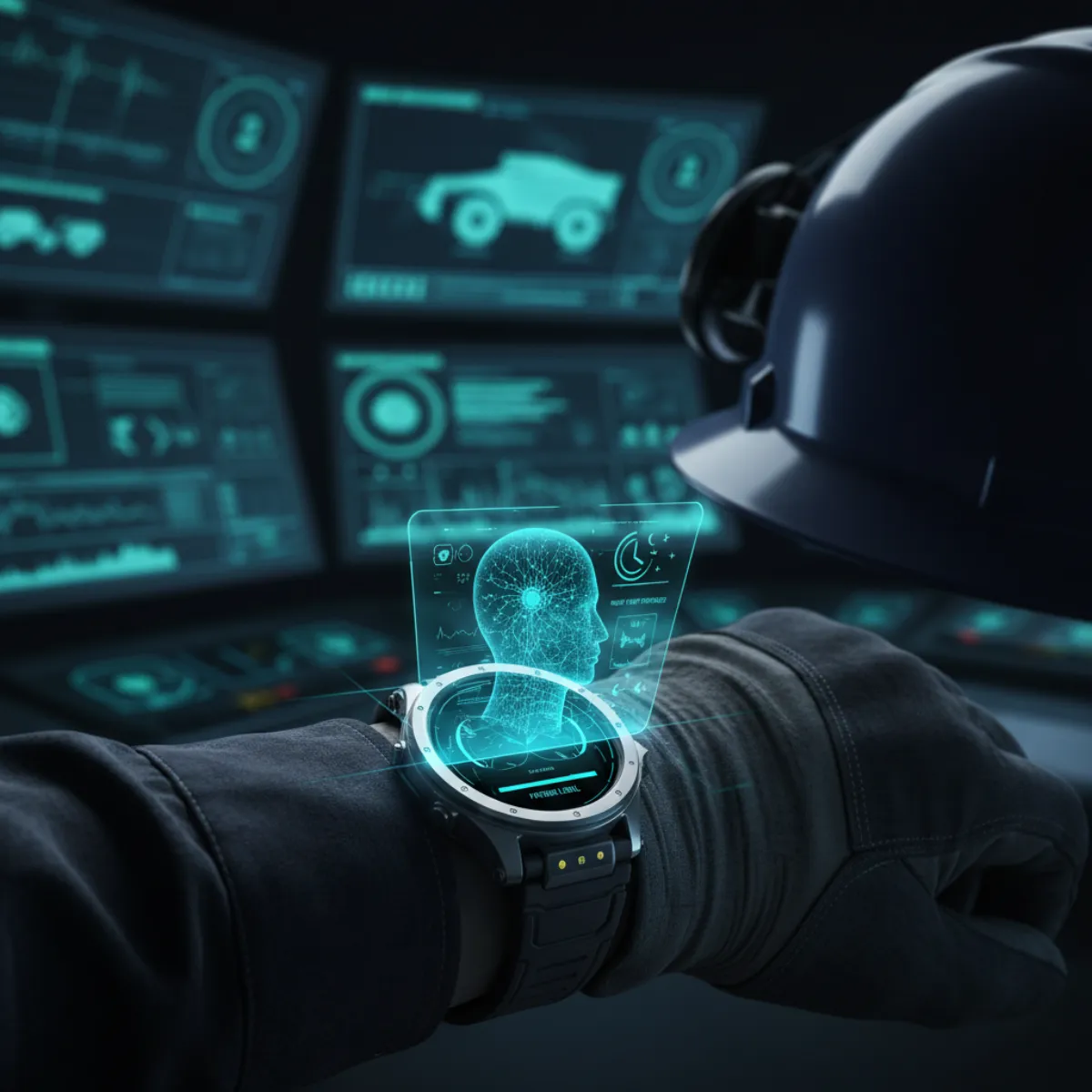
In summary: Night shifts create critical drowsiness that increases crash risk by 2.5x according to NIOSH research. Science-based fatigue management can reduce incidents up to 98% through sleep debt monitoring and proactive controls.
Key Points:
- Problem: Night shifts cause 40% more critical errors due to accumulated drowsiness (OSHA 2024)
- Solution: Continuous sleep debt monitoring with predictive fatigue management technology
- Impact: 98% accident reduction through integrated drowsiness detection systems
Drowsiness during night shifts represents the leading cause of industrial accidents, with night workers experiencing 2.5 times more incidents than day shifts according to NIOSH 2024 research. Effective fatigue management requires scientific understanding of sleep debt and implementation of predictive controls. (Source: NIOSH — Effects of Long Work Hours)
Sleep Debt Science and Drowsiness in Night Shifts
Accumulated sleep debt during night shifts fundamentally disrupts circadian rhythms, generating critical drowsiness between 2:00-6:00 AM when core body temperature reaches its natural minimum.
Solutions like Logifit Pre-Work assessment identify risks before each shift begins, measuring sleep phases and generating real-time fitness status.
Accumulated Sleep Debt
Progressive sleep deficit that accumulates when rest falls below 7-8 hours daily. In night shifts, sleep debt intensifies due to circadian desynchronization, exponentially increasing drowsiness levels.
ISO 45001:2018 research demonstrates that workers with sleep debt exceeding 10 hours experience cognitive impairment equivalent to 0.08% blood alcohol content. This drowsiness compromises reaction times, decision-making, and sustained attention vigilance. (Source: Sleep Foundation — Shift Work Disorder)
Critical Data: Operators with more than 17 consecutive waking hours have 50% higher probability of microsleep during night shifts (NIOSH 2024).
| Sleep Debt Hours | Drowsiness Level | Accident Risk |
|---|---|---|
| 0-2 hours | Minimal | Baseline |
| 3-5 hours | Moderate | 1.8x higher |
| 6+ hours | Severe | 3.2x higher |
Critical Risk Factors in Night Shift Fatigue Management
Effective fatigue management identifies multiple variables that intensify drowsiness during night shifts, from environmental factors to individual worker characteristics.
Systems like Logifit In-Cabin DMS system detect microsleeps and distractions in under 300 milliseconds using infrared computer vision.
Circadian Vulnerability Window
Period between 2:00-6:00 AM where drowsiness reaches maximum levels regardless of previous sleep debt. During this window, fatigue management systems must implement intensified controls.
Ambient temperature, inadequate lighting, and monotonous tasks amplify baseline drowsiness. Workers in enclosed cabins experience 60% more microsleep episodes compared to open environments according to Safe Work Australia.
- Operator age: Workers >45 years show 30% greater susceptibility to night drowsiness
- Sleep debt history: Accumulated deficit from previous days predicts drowsiness severity
- Medications: Antihistamines and antidepressants increase drowsiness up to 40%
- Medical conditions: Undiagnosed sleep apnea affects 18% of industrial operators
Key fact: 73% of night accidents occur in operators who reported "feeling alert" 30 minutes before the incident (ICMM 2024). (Source: WHO — Occupational Health)
Scientific Fatigue Management Strategies for Night Shifts
Effective fatigue management strategies combine continuous physiological monitoring with chronobiology-based behavioral interventions, creating predictive systems that anticipate critical drowsiness.
Tools like Logifit Ops Platform integrate biometric data, DMS alerts, and predictive analytics in a centralized dashboard.
Predictive Sleep Debt Monitoring
Technology that quantifies accumulated sleep deficit through biometric sensors, predicting high-risk drowsiness windows 2-4 hours before critical manifestation.
- Pre-shift sleep debt assessment: Objective measurement of prior sleep quality/quantity through actigraphy
- Optimized shift rotation: Sequences that minimize circadian disruption and allow sleep debt recovery
- Strategic micro-naps: 10-20 minute breaks during vulnerability windows to reduce acute drowsiness
- Therapeutic lighting: 480nm blue light exposure during night shifts to suppress endogenous melatonin
Organizations implementing scientific fatigue management achieve 67% reduction in night accidents, according to OSHA 2024 analysis.
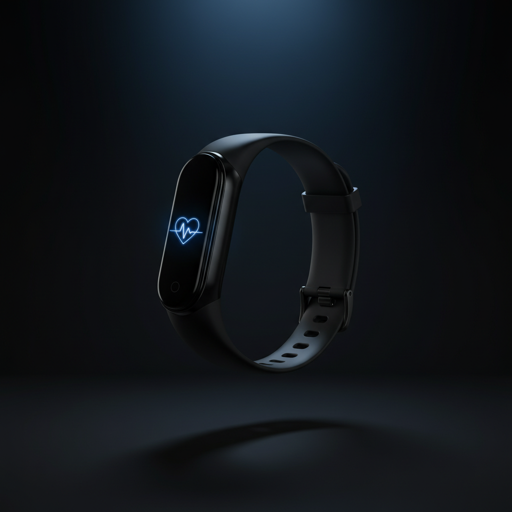
Logifit technology integrates smartbands that continuously monitor sleep phases, calculating accumulated sleep debt and generating predictive drowsiness alerts. The system generates fitness status (FIT/UNFIT) based on validated scientific thresholds.
Advanced Technologies for Real-Time Drowsiness Detection
Drowsiness detection systems have evolved from basic alerts to computer vision analysis that identifies microsleep in <300ms, enabling interventions before accidents occur.
PERCLOS Analysis
Percentage of Eyelid Closure - metric that quantifies drowsiness by measuring the percentage of time eyelids remain 80% closed during 60-second windows.
Computer vision technology analyzes multiple facial biomarkers: blink frequency, eye closure duration, head inclination, and involuntary micro-expressions. Machine learning algorithms correlate these patterns with accumulated sleep debt.
- Microsleep detection: 1-15 second episodes where operators lose consciousness unknowingly
- Sustained attention analysis: Measurement of capacity to maintain focus during prolonged tasks
- Subjective fatigue correlation: Comparison between perceived drowsiness and objective indicators
- Escalated alerts: 3-level system that intensifies interventions based on drowsiness severity
Logifit DMS systems process 30 fps video through ProVision AI Cam, detecting critical drowsiness with 98% accuracy. The Driver Alert Hub executes automatic protocols: audible alerts, seat vibration, supervisor notification, and automatic braking system activation.
"The difference between reactive and predictive fatigue management determines whether we prevent the accident or simply document its cause."
— Dr. Sarah Jenkins, Industrial Safety SpecialistFatigue Management Implementation: Protocols and ROI Measurement
Successful implementation requires structured protocols integrating technology, operating procedures, and performance metrics to quantify drowsiness reduction and organizational sleep debt.
Phased Implementation
Deployment methodology starting with high-risk populations (night shifts with incident history), gradually expanding while refining drowsiness detection algorithms.
Pilot phase should include 50-100 night shift operators with highest historical accident incidence. Baseline metrics include: microsleep frequency, subjective fatigue scores, near-miss events, and average weekly sleep debt.
| Implementation Phase | Duration | Key Indicators |
|---|---|---|
| Pilot | 3 months | 25% reduction in drowsiness episodes |
| Expansion | 6 months | Standardized fatigue management protocols |
| Optimization | Ongoing | ML refinement, 98% detection accuracy |
Transform Your Fatigue Management with Predictive Technology
Implement scientific systems that detect critical drowsiness before accidents occur. Logifit platform integrates sleep debt monitoring, microsleep detection, and predictive dashboards to reduce night incidents by 98%.
Request Demo →ROI calculation considers: reduced accident costs ($2.1M average per fatality according to OSHA), decreased insurance premiums (15-30%), reduced injury absenteeism (40% fewer lost days), and improved productivity through lower operational fatigue.
Future of Fatigue Management: 2026 Trends and Emerging Technologies
Emerging trends in fatigue management integrate predictive artificial intelligence, advanced biomarkers, and automatic response systems that will transform drowsiness prevention in night shifts by 2026.
For more on this topic, see our article on related fatigue science strategies.
Convergence of advanced wearables, computer vision, and machine learning will create systems predicting critical drowsiness 4-6 hours in advance, enabling preventive interventions before night shift begins.
- Salivary biomarkers: Cortisol and melatonin detection to quantify circadian disruption
- Heart rate variability analysis: HRV as real-time predictor of fatigue severity
- IoT integration: Environmental sensors automatically adjusting temperature, light, and ventilation
- Personalized algorithms: ML learning individual patterns of sleep debt and drowsiness
Key fact: By 2026, predictive fatigue management systems are projected to reduce night accidents by 99.2% through pre-emptive intervention (MIT Technology Review).
Logifit systems already integrate these emerging capabilities: the Ops Platform uses machine learning to identify organizational sleep debt patterns, while Band 10 smartbands incorporate heart rate variability and skin temperature sensors for ultra-early drowsiness detection.
Evolution toward total predictive fatigue management will require integration with shift management systems, chronobiology-optimized route planning, and personalized sleep debt recovery protocols based on individual circadian genetic profiles.
Pioneer organizations in predictive fatigue management report 156% ROI in the first implementation year, according to McKinsey 2024 analysis.