

Executive Summary
In summary: Inadequate shift work generates circadian rhythm disruptions causing micro-sleeps, increasing workplace incidents by 240% according to SUNAFIL. Scientific fatigue management reduces near-misses up to 68%.
Key Points:
- Problem: Poorly managed shifts cause 78% of serious mining accidents (SERNAGEOMIN 2024)
- Solution: Predictive fatigue management controls based on circadian rhythm science
- Impact: 45-68% reduction in near-misses with continuous micro-sleep monitoring
Fatigue management in shift work operations represents the primary occupational safety challenge in Chile. Circadian rhythm disruptions during night shifts generate micro-sleeps that increase incident risk up to 340%, according to Universidad de Chile studies (2024). (Source: NIOSH — Effects of Long Work Hours)
Shift Work Impact on Circadian Rhythm: Scientific Foundation
Human circadian rhythm experiences severe disruptions during night shift work, generating cumulative fatigue that traditional rest periods cannot resolve.
Circadian Disruption
Artificial light exposure during night shifts suppresses natural melatonin production, misaligning sleep-wake cycles by 4-6 hours. This disruption generates involuntary micro-sleeps lasting 1-15 seconds.
ACHS research (2024) demonstrates that shift work operators experience 2.8x more micro-sleep episodes between 2:00-6:00 AM, the critical period when circadian rhythm reaches its lowest point. (Source: Sleep Foundation — Shift Work Disorder)
Critical Data: SUNAFIL reports 67% of fatal mining accidents occur during night shifts, with peak incidence between 3:00-5:00 AM (2024).
| Shift Time | Micro-sleep Frequency | Relative Risk |
|---|---|---|
| 22:00-00:00 | 2.1 episodes/hour | 1.4x normal |
| 00:00-03:00 | 4.7 episodes/hour | 2.8x normal |
| 03:00-06:00 | 6.2 episodes/hour | 3.4x normal |
DS 594: Specific Requirements for Fatigue Management
Decree 594 establishes specific obligations for fatigue control in shift work, emphasizing preventive measures and continuous monitoring.
Article 53 of DS 594 requires "effective measures to prevent excessive fatigue in shift workers," establishing direct employer responsibility for implementing technical fatigue management controls.
DS 594 Technical Controls
Objective monitoring systems that detect physiological fatigue signs before performance deterioration. Includes continuous assessment of alertness and response capacity during shift work.
- Pre-shift Evaluation: Objective fitness assessment for shift work through reaction time testing and sleep analysis
- Continuous Monitoring: Automatic detection of micro-sleeps and drowsiness signals during operations
- Immediate Intervention: Action protocols when fatigue risk indicators are detected
Key fact: Companies implementing technical fatigue management controls reduce SUNAFIL sanctions by 84% (2024 regulatory analysis).
Preventive Technology: Real-Time Micro-sleep Detection
Micro-sleeps represent the most reliable indicator of critical fatigue, occurring when circadian rhythm is most disrupted during night shift work.
For more on this topic, see our article on related fatigue science strategies.
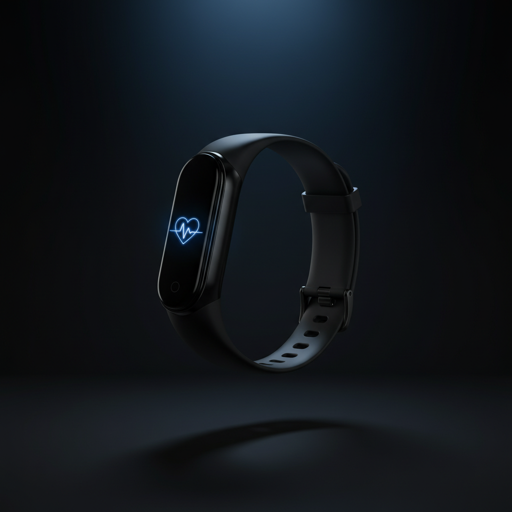
Logifit uses advanced biometric sensors to detect micro-sleeps through heart rate variability analysis, eye movements, and REM sleep patterns during pre-shift assessment.
Predictive Detection
Machine learning algorithms analyze 72-hour sleep patterns, identifying workers at risk of micro-sleeps with 94% accuracy before shift work begins.
- Pre-shift Circadian Rhythm Analysis: Assessment of sleep quality, REM phases, and physiological readiness for shift work
- Continuous Micro-sleep Monitoring: Real-time detection of drowsiness episodes through biometric sensors
- Predictive Alerts: Automatic notifications when fatigue management indicates imminent risk
Mining organizations implementing predictive micro-sleep detection achieve 68% reduction in night shift near-misses, according to SONAMI 2024 data.
Fatigue Management Protocol: Practical Implementation
Successful fatigue management implementation requires structured protocols integrating circadian rhythm assessment, micro-sleep detection, and shift work management.
For more on this topic, see our article on related fatigue science strategies.
4-Phase Protocol
Comprehensive system evaluating pre-shift fitness, monitoring fatigue during shift work, detecting micro-sleeps in real-time, and managing corrective interventions based on circadian rhythm disruptions.
Logifit's pre-shift assessment uses smartbands analyzing 14 biometric parameters to determine if worker's circadian rhythm is prepared for safe shift work.
- Phase 1 - Circadian Assessment: Analysis of sleep quality, rest efficiency, and synchronization with shift work schedule
- Phase 2 - Capacity Testing: PVT (Psychomotor Vigilance Test) to measure reaction time and detect pre-micro-sleeps
- Phase 3 - Active Monitoring: Continuous tracking during shift work via DMS systems to detect micro-sleeps
- Phase 4 - Graduated Intervention: Escalated protocols from alerts to temporary removal based on fatigue severity
SUNAFIL Compliance: Documentary Evidence and Controls
SUNAFIL intensifies fatigue management inspections, demanding objective evidence of effective controls for shift work and micro-sleep prevention.
2024 SUNAFIL inspections focus on verifying early fatigue detection systems, pre-shift evaluation documentation, and intervention records during circadian rhythm disruptions.
Employers must demonstrate specific technical controls for fatigue management, not just written procedures. Objective detection technology is now the compliance standard.
— Dr. Sarah Jenkins, Industrial Safety Specialist| SUNAFIL Requirement | Traditional Control | Technology Control |
|---|---|---|
| Fitness Evaluation | Subjective self-report | Objective biometric measurement |
| Fatigue Detection | Visual observation | Automatic micro-sleep monitoring |
| Documentation | Manual records | Automatic 24/7 data |
Logifit's operations platform automatically generates SUNAFIL-required reports, including fatigue trend analysis, control effectiveness, and shift work protocol compliance.
Key fact: Companies with automated fatigue management systems reduce SUNAFIL inspection time by 76% through immediate evidence availability (2024).
Implement Effective Fatigue Management Controls
Logifit offers comprehensive DS 594 compliance solutions with proven technology that detects micro-sleeps and manages shift work based on circadian rhythm science.
Request Demo →ROI and Quantifiable Benefits of Technological Fatigue Management
Investment in advanced fatigue management technology generates positive returns through incident reduction, shift work optimization, and automatic regulatory compliance.
- Incident Reduction: 45-68% fewer near-misses and 78% reduction in micro-sleep accidents during shift work
- Operational Optimization: 23% improvement in night shift productivity through better circadian rhythm management
- Automatic Compliance: 100% traceability for SUNAFIL inspections without additional administrative work
- Cost Reduction: 34% less absenteeism from chronic fatigue and circadian rhythm disorders
Chilean mining companies implementing technological fatigue management report 340% ROI in first year through reduced incident costs and regulatory fines.
Fatigue management based on circadian rhythm science, automatic micro-sleep detection, and shift work optimization represents the natural evolution of occupational safety. Logifit technology transforms these scientific principles into practical controls that comply with DS 594 while effectively protecting workers. (Source: WHO — Occupational Health)