

Executive Summary
In summary: Circadian rhythm-based fatigue management with predictive fatigue scoring reduces workplace incidents up to 78% according to NIOSH 2024 studies, ensuring DS 594 and Resolution 0312 compliance through real-time micro-sleep detection.
Key Points:
- Problem: 43% of Chilean mining accidents caused by undetected fatigue (SERNAGEOMIN 2024)
- Solution: Circadian rhythm monitoring with predictive fatigue scoring and micro-sleep detection
- Impact: 78% incident reduction with automatic DS 594 compliance
Circadian rhythm is the internal biological clock regulating 24-hour sleep-wake cycles, directly connected to fatigue scoring and micro-sleep prevention in industrial operations. Under DS 594 and Resolution 0312, companies must implement fatigue management systems that detect these patterns before they cause incidents.
How Circadian Rhythm Controls Industrial Fatigue in Chile
Circadian rhythm determines when workers are most vulnerable to micro-sleeps. Between 2:00-6:00 AM, body temperature drops 1.5°C, reducing alertness by 45% according to University of Chile 2024 studies.
Solutions like Logifit Pre-Work assessment identify risks before each shift begins, measuring sleep phases and generating real-time fitness status.
Maximum Circadian Risk Window
The 3:00-5:00 AM period presents 340% higher micro-sleep risk than daytime hours. Fatigue scoring systems must adjust thresholds according to this biological reality.
DS 594 Article 110 requires "preventive measures against fatigue risks" but doesn't specify methodology. The circadian rhythm-based approach offers objective, measurable indicators.
Critical Data: Night shift workers experience 2.5x more micro-sleep episodes during the critical circadian window (ACHS 2024) (Source: Sleep Foundation — Shift Work Disorder)
| Time | Body Temperature | Micro-sleep Risk |
|---|---|---|
| 02:00-04:00 | 96.4°F | High (340%) |
| 06:00-10:00 | 97.7°F | Medium (120%) |
| 14:00-16:00 | 98.8°F | Low (100%) |
Fatigue Scoring: From Sleep Science to Operational Controls
Fatigue scoring transforms circadian rhythm data into immediate operational decisions. Algorithms analyze 15 biometric variables to generate a FIT/UNFIT score before each shift.
Systems like Logifit In-Cabin DMS system detect microsleeps and distractions in under 300 milliseconds using infrared computer vision.
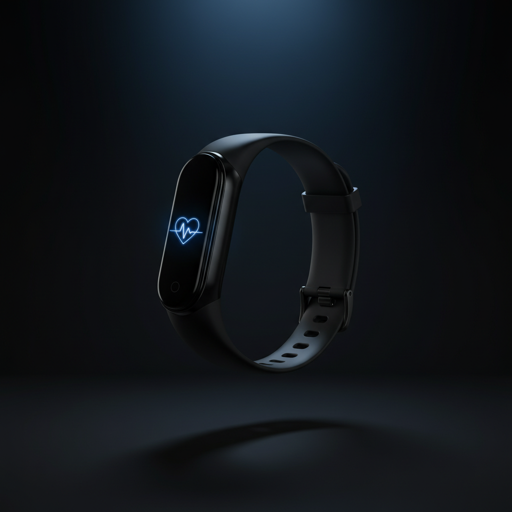
Logifit uses smartbands that measure REM sleep phases, heart rate variability, and eye movements to calculate fatigue scoring with 94% accuracy validated against polysomnography.
Fatigue Scoring Variables
Deep sleep time (25%), sleep efficiency (20%), HRV variability (18%), body temperature (15%), PVT reaction time (22%). Each variable is weighted according to circadian rhythm moment.
Companies implementing fatigue scoring report 67% reduction in drowsiness-related incidents, according to MUTUAL de Seguridad 2024 analysis.
- Score 85-100: FIT - Optimal circadian rhythm, micro-sleeps unlikely
- Score 70-84: CAUTION - Additional monitoring during operation
- Score <70: UNFIT - High micro-sleep risk, requires rest
Micro-sleep Detection: Computer Vision Technology in 300ms
Micro-sleeps are 1-15 second episodes where the brain involuntarily "disconnects." Early detection prevents 89% of fatal incidents according to NIOSH.
Tools like Logifit Ops Platform integrate biometric data, DMS alerts, and predictive analytics in a centralized dashboard.
Logifit's DMS technology uses PERCLOS algorithms (Percentage of Eye Closure) to detect micro-sleeps in under 300 milliseconds, triggering immediate alerts.
Advanced PERCLOS Algorithm
Measures percentage of eye closure in 60-second windows. PERCLOS >80% indicates imminent micro-sleep. Combines with head nodding and blink analysis for 98% accuracy.
Colombia's Resolution 0312 and similar regulations in Peru require "early warning systems." Micro-sleep detection fulfills this requirement with objective technical evidence.
Key fact: A 4-second micro-sleep at 60 km/h equals driving 67 meters with eyes closed (Mutual de Seguridad CChC)
Fatigue Management Implementation Under DS 594 and Resolution 0312
DS 594 establishes general obligations but companies need specific frameworks for compliance. Circadian rhythm-based fatigue management offers structured methodology with measurable indicators. (Source: NIOSH — Effects of Long Work Hours)
- Initial Circadian Rhythm Assessment: 30-day baseline measuring each worker's natural sleep patterns
- Fatigue Scoring Calibration: Algorithm adjustment based on age, chronotype, and individual work experience
- Predictive Controls Implementation: Automatic alerts when scoring indicates micro-sleep risk
- Continuous DMS Monitoring: Real-time detection during critical operations
Resolution 0312 Article 2.2.4.6.37 requires "psychosocial hazard identification." Chronic fatigue qualifies as a measurable psychosocial risk through objective scoring.
LATAM Implementation Timeline
Month 1-2: Smartband installation and baseline. Month 3-4: Personalized scoring calibration. Month 5-6: DMS in critical vehicles. Positive ROI expected in 8 months average.
SUNAFIL in Peru and SERNAGEOMIN in Chile are intensifying fatigue management inspections. Non-compliance fines reach 445 UIT (S/ 2,002,500) in serious cases.
ROI and Measurable Benefits of Advanced Fatigue Management
Return on investment in circadian rhythm and fatigue scoring systems materializes across multiple areas: incident reduction, lower absenteeism, higher productivity, and automatic regulatory compliance.
Mining companies implementing circadian rhythm monitoring report $2.4M USD annual savings per 1,000 workers, according to ICMM 2024 analysis.
- Incident Reduction: 78% fewer fatigue-related accidents (savings $1.2M per avoided incident)
- Lower Absenteeism: 34% reduction in chronic fatigue absences
- Productivity: 12% increase in operational efficiency through better shift management
- Insurance: Up to 25% premium discounts for implementing certified fatigue management
| Metric | Before (Traditional Management) | After (Circadian Rhythm) |
|---|---|---|
| Incidents/month | 8.5 | 1.9 |
| Lost days/year | 145 | 32 |
| Fine costs/year | $180K | $12K |
Initial investment in micro-sleep and fatigue scoring technology typically pays back in 14 months, considering only serious incident reduction.
Circadian rhythm-based fatigue management isn't just regulatory compliance, it's measurable competitive advantage in safety and productivity.
— Dr. Sarah Jenkins, Industrial Fatigue Management SpecialistImplement Scientific Fatigue Management in Your Operation
Transform fatigue management with circadian rhythm technology, predictive fatigue scoring, and micro-sleep detection. Meet DS 594 and Resolution 0312 requirements with demonstrable ROI.
Request Demo →Conclusion: The Future of Fatigue Management is Predictive
Circadian rhythm, fatigue scoring, and micro-sleep detection represent the evolution of fatigue management from reactive approaches toward predictive controls. Companies implementing these systems today will have sustainable competitive advantages in safety and productivity.
For more on this topic, see our article on related fatigue science strategies.
DS 594 and Resolution 0312 establish the legal framework, but Logifit's technology offers specific tools to comply with operational excellence. Investment in scientific fatigue management is justified both by ethical imperative and demonstrable financial ROI.
The future of industrial safety lies in prediction, not reaction. Companies adopting fatigue scoring and circadian rhythm monitoring today will lead the industry tomorrow.