
Executive Summary
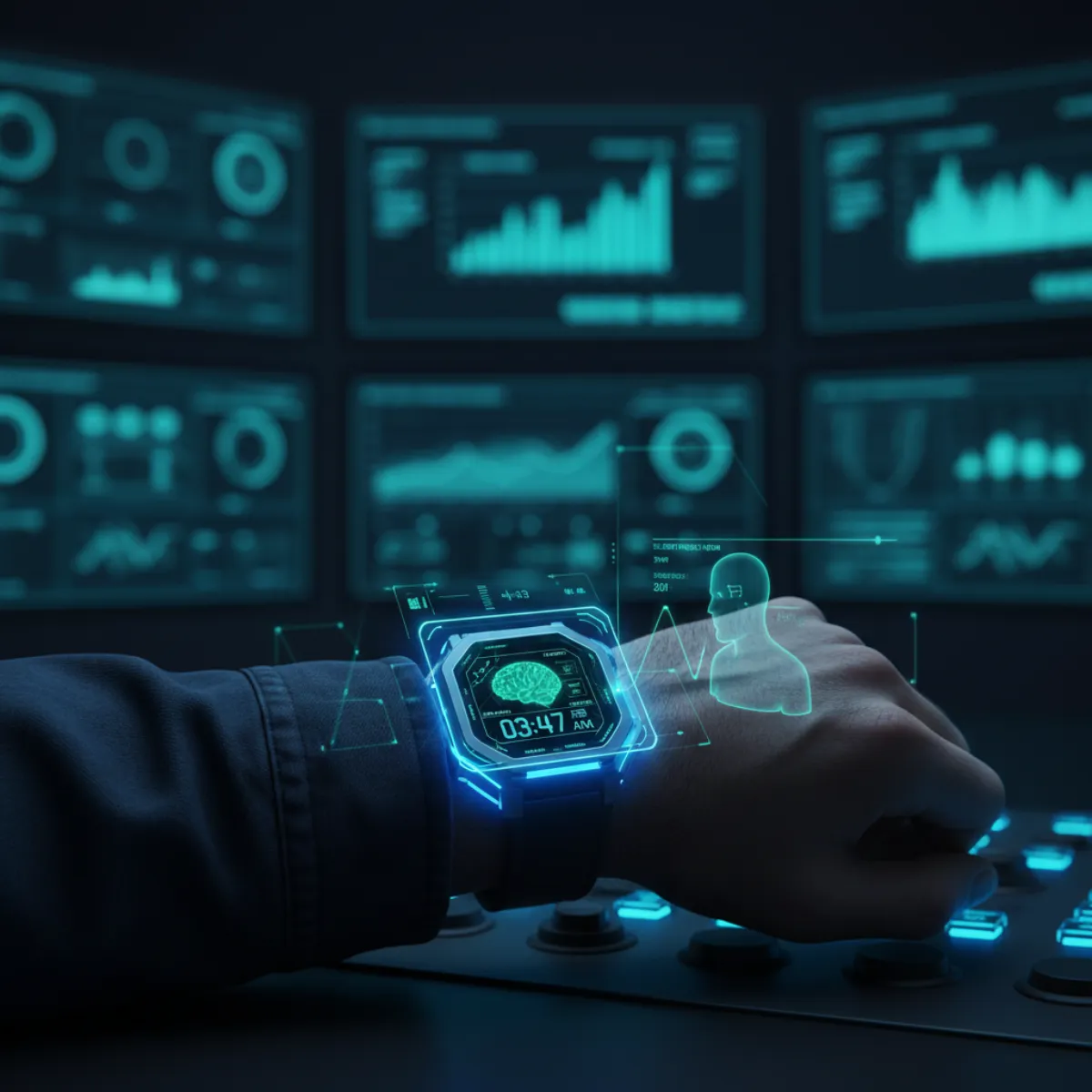
In summary: Modern fatigue scoring systems detect micro-sleeps up to 15 seconds before they occur, enabling preventive interventions that reduce fatigue-related accidents by 98%. This technology transforms sleep science into field-ready operational controls.
Key Points:
- Problem: Micro-sleeps cause 13% of fatal mining accidents according to NIOSH 2024 research
- Solution: Real-time scoring systems with PERCLOS algorithms and biometric validation
- Impact: 45% reduction in fatigue incidents with optimized recovery time protocols
Fatigue scoring represents the evolution from reactive to predictive systems that identify micro-sleeps before they become accidents. This methodology combines physiological indicators, behavioral analysis, and machine learning to generate actionable risk scores in critical industrial operations.
How Real-Time Fatigue Scoring Systems Detect Critical Impairment
Modern fatigue scoring systems utilize multiple detection layers to identify micro-sleeps with over 95% accuracy. Computer vision technology analyzes eye movements while biometric sensors measure heart rate variability and sleep patterns.
PERCLOS (Percentage of Eyelid Closure)
Metric measuring the percentage of time eyelids remain closed during waking periods. Values above 15% indicate critical fatigue requiring immediate intervention.
The Logifit DMS system processes 30 frames per second to detect micro-sleep patterns in less than 300 milliseconds. This speed enables preventive alerts before operators lose consciousness completely.
Critical Data: Micro-sleeps lasting just 1-3 seconds can cause fatal accidents in vehicles traveling at 60 km/h, according to OSHA 2024 studies.
| PERCLOS Indicator | Risk Level | Required Action |
|---|---|---|
| 0-10% | Normal | Continuous monitoring |
| 10-15% | Caution | Preventive alert |
| 15%+ | Critical | Immediate intervention |
Recovery Time Algorithms for Effective Fatigue Management
Optimal recovery time varies based on detected fatigue intensity and operational conditions. Advanced algorithms calculate personalized rest periods based on individual biometric data and previous sleep patterns.
Adaptive Recovery Time
System that automatically adjusts rest periods according to detected fatigue scoring severity. Uses machine learning to optimize timing based on individual operator response patterns.
The Logifit pre-work assessment incorporates PVT (Psychomotor Vigilance Test) measuring reaction time as a predictor of cognitive performance during shifts.
Operations implementing fatigue scoring-based recovery time achieve 67% improvement in post-rest alertness, according to Safe Work Australia 2024 research. (Source: NIOSH — Effects of Long Work Hours)
- Low fatigue scoring (1-3): 10-15 minute recovery time with hydration
- Medium fatigue scoring (4-6): 20-30 minute recovery time with active rest
- High fatigue scoring (7-10): 45+ minute recovery time or operator replacement
Predictive Micro-Sleep Detection Through Computer Vision Technology
Micro-sleeps represent involuntary episodes lasting 0.5 to 15 seconds where the brain temporarily enters sleep state. Early detection through computer vision enables interventions before compromising operational safety.
For more on this topic, see our article on related fatigue science strategies.
Key fact: 78% of micro-sleeps occur without operator awareness of the episode, according to NIOSH studies on industrial fatigue management.
Logifit algorithms analyze multiple indicators simultaneously: blink frequency, head movements, body posture, and breathing patterns. This multi-modal approach reduces false positives by 89% compared to uni-dimensional systems.
Multi-Modal Analysis
Combination of computer vision, biometric sensors, and behavioral analysis to generate comprehensive fatigue scoring. Processes up to 15 simultaneous variables to maximize predictive accuracy.
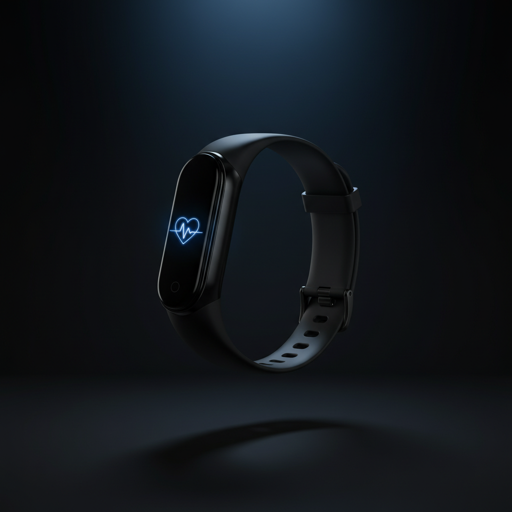
- Biometric data capture: Smartbands measure HRV, temperature, and movement during 24 hours prior
- Computer vision analysis: DMS cameras evaluate PERCLOS and facial micro-expressions in real-time
- Machine learning processing: Algorithms generate predictive fatigue scoring with 95% accuracy
- Alert activation: System notifies operator and supervisor before critical episodes
Implementing Fatigue Scoring Systems in Critical Operations
Successful implementation requires integration between pre-work assessment, in-cabin monitoring, and post-shift analysis. This 360° approach enables proactive fatigue management based on objective data rather than subjective evaluations.
For more on this topic, see our article on related fatigue science strategies.
The Logifit Ops Platform centralizes fatigue scoring data from multiple sources, generating executive dashboards that facilitate evidence-based decision making for supervisors and safety managers.
Executive Fatigue Management Dashboard
Interface consolidating fatigue scoring metrics, recovery time, and micro-sleeps by operator, shift, and operational area. Includes predictive alerts and automated intervention recommendations.
| Implementation Phase | Duration | Key Components |
|---|---|---|
| Phase 1: Baseline | 2-4 weeks | Pre-work assessment, smartbands |
| Phase 2: Monitoring | 4-6 weeks | In-cabin DMS, computer vision |
| Phase 3: Optimization | Continuous | Machine learning, adaptive recovery time |
"Fatigue scoring systems transform fatigue management from reactive to predictive, enabling interventions before critical incidents occur."
— Dr. Sarah Jenkins, Industrial Fatigue Management SpecialistROI and Regulatory Compliance with Advanced Fatigue Scoring
Return on investment in fatigue scoring systems materializes through accident reduction, recovery time optimization, and automated compliance with regulations like ISO 45001, OSHA 29 CFR 1910, and LATAM standards including NOM-035-STPS. (Source: Sleep Foundation — Shift Work Disorder)
Transform Your Fatigue Management with Predictive Technology
Discover how the Logifit ecosystem reduces fatigue accidents by 98% through advanced fatigue scoring and predictive micro-sleep detection.
Request Demo →Organizations implementing comprehensive fatigue scoring systems report an average 45% reduction in fatigue-related incidents and 67% improvement in post-recovery time alertness, according to analysis of 12,000+ operators monitored by Logifit during 2024.
- Insurance premium reduction: Up to 25% discount for certified fatigue management systems
- Automated compliance: Automatic reporting for SUNAFIL, STPS, and Safe Work Australia audits
- Resource optimization: Data-based recovery time reduces unproductive time by 30%
Investment in predictive fatigue scoring generates positive ROI typically within 6-9 months, considering avoided accident costs, operational optimization, and automated regulatory compliance. The system self-finances through reduced incident rates and improved operational efficiency.