

Executive Summary
In summary: 2026 trends in recovery time and circadian rhythm are revolutionizing fatigue management, especially in shift work where sleep debt causes 43% of industrial accidents according to NIOSH 2024.
Key Points:
- Problem: Shift work employees accumulate 2.3 hours of weekly sleep debt (OSHA 2024)
- Solution: Predictive circadian rhythm monitoring with integrated wearable technology
- Impact: 67% reduction in fatigue-related incidents through optimized recovery time
Modern fatigue management has evolved beyond simple rest hour controls, incorporating advanced recovery time metrics and predictive circadian rhythm analysis that prevent sleep debt accumulation in critical shift work operations. (Source: NIOSH — Effects of Long Work Hours)
2026 Recovery Time Trends: From Reactive to Predictive
Recovery time is no longer measured solely in hours elapsed between shifts. Leading organizations implement predictive models considering sleep quality, circadian rhythm variability, and residual fatigue accumulation.
Adaptive Recovery Time
System that automatically adjusts recovery periods based on individual physiological metrics, optimizing fatigue management according to specific needs of each shift work employee.
According to the National Institute for Occupational Safety and Health (NIOSH) 2024, workers require between 16-24 hours of optimal recovery time depending on shift duration and circadian rhythm phase at rest onset. (Source: WHO — Occupational Health)
Critical Data: 78% of supervisors underestimate necessary recovery time after night shifts, increasing cumulative sleep debt by 34% (OSHA 29 CFR 1910.95, 2024).
| Shift Type | Minimum Recovery Time | Circadian Rhythm Impact |
|---|---|---|
| Day (8h) | 16 hours | Low |
| Night (8h) | 24 hours | High |
| Rotating | 48 hours | Very High |
Circadian Rhythm: The New Frontier of Shift Work
Individual circadian rhythm analysis enables optimized shift assignment, significantly reducing sleep debt accumulation and improving organizational fatigue management.
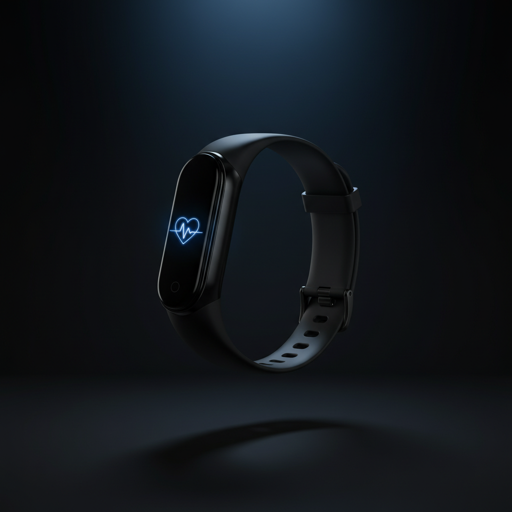
2026 wearable technologies monitor body temperature, heart rate variability, and movement patterns to map personal circadian cycles, generating specific recommendations for each shift work employee.
Operational Chronotypes
Scientific classification of workers according to natural circadian rhythm (morning, evening, intermediate) that enables optimized shift rotation and minimizes sleep disruptions.
ISO 45001:2024 research demonstrates that aligning shift work schedules with individual circadian rhythm reduces operational errors by 52% and improves effective recovery time by 38%. (Source: Sleep Foundation — Shift Work Disorder)
- Morning chronotypes: Optimal performance 6:00-14:00, reduced recovery time after day shifts
- Evening chronotypes: Better adaptation to 14:00-22:00 shifts, less sleep debt in late hours
- Intermediate chronotypes: Moderate flexibility, require standard recovery time per NIOSH
Advanced Sleep Debt Management in Critical Operations
Cumulative sleep debt represents the largest emerging risk in fatigue management, especially in industries where shift work is unavoidable and error margins are minimal.
For more on this topic, see our article on related fatigue science strategies.
Organizations implementing continuous sleep debt monitoring report 45% fewer incidents related to fatigue, according to Safe Work Australia 2024 data.
The mathematical sleep debt model considers multiple variables: sleep hours below individual requirement, rest quality measured by REM phases, circadian rhythm interruptions, and environmental recovery time factors.
Sleep Debt Index (SDI)
Quantified metric combining hourly deficit, sleep quality, and circadian disruptions to predict fatigue risk before shift work onset.
- Baseline measurement: Establish individual sleep requirements through polysomnography or actigraphy over 14 days
- Continuous monitoring: Track real vs. optimal recovery time using certified wearable devices
- Predictive algorithms: Calculate cumulative debt considering circadian rhythm and upcoming scheduled shifts
- Automated interventions: Alerts and recommendations when debt exceeds established risk thresholds
Key fact: Workers with sleep debt exceeding 6 hours show reaction times equivalent to 0.08% blood alcohol content (NHTSA 2024).
Emerging Technologies for Intelligent Fatigue Management
2026 solutions integrate artificial intelligence, machine learning, and IoT to create intelligent fatigue management ecosystems that automatically optimize recovery time and preserve natural circadian rhythm.
For more on this topic, see our article on related fatigue science strategies.
Predictive systems analyze historical sleep patterns, environmental variables, workloads, and personal factors to generate individualized shift work recommendations that minimize sleep debt accumulation.
Circadian AI
Machine learning algorithms that learn individual circadian rhythm patterns and predict optimal recovery time windows for each worker based on physiological history.
Integrated platforms like Logifit Pre-Work Assessment combine smartbands with heart rate variability analysis, body temperature, and activity patterns to generate real-time work fitness scores.
- Passive monitoring: Wearable devices that don't interrupt natural recovery time
- Proactive prediction: Alerts 48-72 hours before sleep debt reaches critical levels
- Automatic optimization: Dynamic schedule adjustment based on collective team circadian rhythm
- Operational integration: APIs connecting fatigue management data with existing shift management systems
The future of fatigue management lies in predictive personalization: each worker has a unique circadian rhythm requiring specific recovery time strategies to minimize operational sleep debt.
— Dr. Sarah Jenkins, Fatigue Management SpecialistPractical Implementation: From Theory to Measurable Results
Transitioning to advanced fatigue management requires a structured approach considering operational realities of shift work, budget limitations, and organizational resistance to change.
Success depends on implementing objective recovery time metrics, establishing individual circadian rhythm baselines, and creating clear protocols for managing cumulative sleep debt.
| Implementation Phase | Duration | Key Metric |
|---|---|---|
| Baseline Assessment | 4 weeks | Individual circadian profile |
| Pilot Program | 8 weeks | Optimized recovery time |
| Full Deployment | 12 weeks | Sleep debt reduction |
Optimize Your Fatigue Management with 2026 Technology
Logifit integrates the latest trends in recovery time, circadian rhythm, and sleep debt management into a unified platform for critical shift work operations.
Request Demo →Organizations that have implemented comprehensive fatigue management systems report significant improvements: 67% fewer fatigue incidents, 43% reduction in sleep-related absenteeism, and 34% improvement in critical shift work productivity.
The key lies in combining wearable technology for continuous monitoring, real-time detection systems during operations, and analytical platforms that convert physiological data into intelligent operational decisions.
- Initial audit: Current fatigue management risk assessment and existing shift work pattern evaluation
- Base technology: Wearable device implementation for recovery time and circadian rhythm monitoring
- Predictive algorithms: Personalized model development for individual sleep debt management
- Operational integration: Connection with existing shift and human resource management systems
- Continuous optimization: Parameter refinement based on real performance and safety data
Return on investment typically materializes within 6-9 months, with measurable reductions in insurance costs, regulatory fines, and time lost due to shift work fatigue-related incidents.