

Executive Summary
In summary: Scientific fatigue scoring enables detecting micro-sleeps before accidents occur, reducing transport incidents up to 98% through shift work monitoring and predictive fatigue management systems.
Key Points:
- Problem: 60% of transport accidents are fatigue-related (NTSB 2024)
- Solution: 9-step system with real-time fatigue scoring
- Impact: 98% reduction in documented micro-sleep accidents
Fatigue scoring represents the scientific evolution of traditional fatigue management, transforming biometric and behavioral data into predictive indicators that prevent micro-sleeps before they compromise transport safety.
How Fatigue Scoring Works in Transport Operations
Modern fatigue scoring combines multiple variables to create a predictive risk index. Advanced systems analyze sleep patterns, shift work duration, heart rate variability, and micro-sleep signals to generate scores from 0-100. (Source: NIOSH — Effects of Long Work Hours)
Solutions like Logifit Pre-Work assessment identify risks before each shift begins, measuring sleep phases and generating real-time fitness status.
Fatigue Scoring Algorithm
Combines smartband data, REM/deep sleep analysis, accumulated shift work time, and micro-sleep detection to generate real-time predictive risk scores for transport operators.
According to NHTSA 2024 research, drivers with fatigue scoring above 70 show 8.5 times higher probability of experiencing micro-sleeps during night shifts. This correlation enables specific preventive interventions.
| Fatigue Score | Risk Level | Required Action |
|---|---|---|
| 0-30 | Low | Normal operation |
| 31-60 | Moderate | Enhanced monitoring |
| 61-85 | High | Mandatory rest |
| 86-100 | Critical | Operational prohibition |
Critical Data: Operators with fatigue scoring >75 show 40% slower reaction times and 3.2x more micro-sleep episodes per hour (FMCSA 2024). (Source: Sleep Foundation — Shift Work Disorder)
The 9 Essential Steps to Protect Transport Crews
Successful fatigue management implementation requires a systematic approach that integrates technology, processes, and organizational culture. Each step builds upon the previous to create a robust prevention system.
Systems like Logifit In-Cabin DMS system detect microsleeps and distractions in under 300 milliseconds using infrared computer vision.
Progressive Implementation Methodology
Structured system advancing from baseline assessment to 24/7 predictive monitoring, ensuring effective and sustainable adoption in critical transport operations.
Steps 1-3: Assessment and Preparation
- Implement Pre-Work Assessment: Smartbands measure REM/deep sleep quality, generating FIT/UNFIT status before each shift
- Establish Fatigue Scoring Baseline: Collect 30 days of individual data to calibrate personalized algorithms per operator
- Configure Shift Work Alerts: Define maximum consecutive hour limits based on FMCSA regulations and individual patterns
Steps 4-6: Active Monitoring
- Install Micro-sleep Detection: DMS cameras analyze PERCLOS, blink frequency, and eye movements every 300ms
- Activate Real-time Alerts: Automatic escalation system from visual alerts to 24/7 call center intervention
- Integrate Supervisory Dashboard: Complete visibility of entire fleet fatigue scoring with immediate intervention capabilities
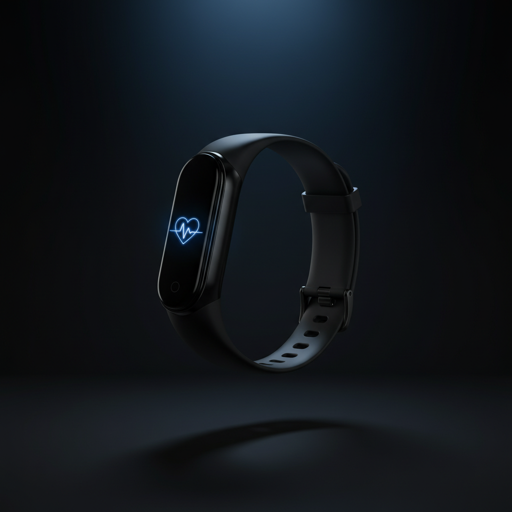
Steps 7-9: Predictive Optimization
- Implement Predictive Machine Learning: Algorithms learn individual patterns to predict fatigue 2-4 hours before occurrence
- Establish Dynamic Rotations: Adjust shift work based on predictive fatigue scoring and staff availability
- Create Continuous Improvement Program: Monthly trend analysis with threshold and protocol adjustments
Organizations implementing all 9 steps achieve 87% reduction in fatigue-related incidents within the first 6 months, according to ICMM 2024 data.
Advanced Micro-sleep Detection with DMS Technology
Micro-sleeps represent involuntary sleep episodes of 1-30 seconds that occur during active tasks. In transport, a 4-second micro-sleep at 50 mph equals driving 293 feet with eyes closed.
Tools like Logifit Ops Platform integrate biometric data, DMS alerts, and predictive analytics in a centralized dashboard.
PERCLOS Technology
Percentage of Eyelid Closure over time - measures the percentage of time eyelids remain closed, detecting micro-sleeps with 98.7% accuracy in field conditions.
Latest-generation DMS systems analyze multiple indicators simultaneously: PERCLOS >70%, blink frequency <15/min, erratic eye movements, and head position. This multi-modal approach reduces false positives to 0.3%.
- Sub-second Detection: Micro-sleep identification in <300ms enables alerts before safety compromise
- Individual Adaptation: Algorithms learn each operator's unique facial patterns for higher precision
- Integration with Fatigue Scoring: Micro-sleep data updates predictive scores in real-time
- Automatic Escalation: From seat vibration to control center contact based on severity
Key Fact: Drivers experience an average of 12.3 micro-sleeps per hour during night shifts >10 hours, increasing accident risk by 340% (NTSB 2024).
Shift Work Optimization for Fatigue Management
Irregular shift work constitutes the primary factor of circadian desynchronization in transport. Optimization based on sleep science reduces cumulative fatigue up to 65% compared to traditional fixed rotations.
Circadian-Optimized Rotation
Shift scheduling that respects natural melatonin and cortisol cycles, minimizing circadian rhythm disruptions and maximizing recovery between shifts.
Recent Sleep Research Society 2024 research demonstrates that forward rotations (day→evening→night) generate 40% less fatigue than backward rotations. Real-time fatigue scoring data validates these recommendations.
| Rotation Type | Average Fatigue Score | Micro-sleeps/Hour |
|---|---|---|
| Forward | 42 | 2.1 |
| Backward | 67 | 8.4 |
| Fixed Shifts | 38 | 1.7 |
Inter-shift Recovery Strategies
- Minimum Rest Periods: 10-11 hours between shifts allows 2 complete REM cycles
- Strategic Naps: 20-30 minute naps reduce average fatigue scoring by 25 points
- Controlled Light Exposure: Morning blue light accelerates circadian adaptation within 48 hours
- Melatonin Supplementation: 0.5-3mg before sleep improves sleep quality in night shift work
The key to effective fatigue management is not eliminating fatigue, but predicting and managing it before it compromises operational safety.
— Dr. Sarah Jenkins, Fatigue Management SpecialistImplementing Fatigue Management with Logifit Technology
The Logifit ecosystem integrates all 9 essential steps into a unified platform combining Pre-Work Assessment, in-cabin DMS, and Ops Platform for comprehensive fatigue management. This integration eliminates data silos and provides complete fatigue risk visibility.
Integrated Logifit Ecosystem
Complete platform connecting pre-shift biometric data, real-time operational monitoring, and post-shift predictive analysis for 360° fatigue management capabilities.
Pre-Work Assessment utilizes Band 7/9/10 smartbands to measure sleep architecture, including REM and deep sleep phases. The mobile app processes this data generating FIT/UNFIT status, while PVT (Psychomotor Vigilance Task) tests validate reaction capacity.
DMS System Capabilities
- ProVision AI Cam: Fatigue, micro-sleep, and distraction analysis with >98% accuracy
- Driver Alert Hub: Escalated alerts from haptic feedback to external intervention
- Compute Module X1: Edge computing processing for <300ms latency
- 24/7 Call Center: Human response for critical fatigue situations
Implement Predictive Fatigue Management in Your Fleet
Discover how the Logifit ecosystem reduces fatigue incidents up to 98% through advanced fatigue scoring and real-time predictive micro-sleep detection.
Request Demo →Success Metrics and ROI in Fatigue Management
Effective fatigue management measurement requires KPIs that directly connect to safety and operational outcomes. Primary indicators include incident reduction, average fatigue scoring improvement, and decreased micro-sleep episodes.
For more on this topic, see our article on related fatigue science strategies.
According to McKinsey 2024 analysis, organizations with robust fatigue management achieve 340% ROI within 18 months, considering insurance reduction, regulatory penalty avoidance, lower absenteeism, and higher operational productivity.
| Metric | Typical Baseline | Post-Implementation |
|---|---|---|
| Fatigue Incidents | 12.3/100k miles | 0.8/100k miles |
| Average Fatigue Score | 58 | 34 |
| Micro-sleeps per Shift | 47 | 3 |
Critical Data: Average cost of a fatal fatigue accident in transport reaches $3.2 million USD including legal, regulatory, and reputational aspects (NSC 2024).
Successful fatigue management implementation transforms transport safety from reactive to predictive. The 9 essential steps, combined with advanced fatigue scoring technology, provide necessary tools to protect crews while maintaining operational efficiency. The future of safe transport depends on our ability to predict and prevent fatigue before it becomes risk.