

Executive Summary
In summary: Worker wellness in logistics requires integrated hydration, ergonomics, and stress management strategies to reduce accidents by up to 47% according to NIOSH 2026 studies.
Key Points:
- Problem: 73% of logistics operators experience chronic stress (OSHA 2026)
- Solution: Integrated programs combining hydration, ergonomics, and biometric monitoring
- Impact: 47% reduction in musculoskeletal injuries with structured wellness protocols
Worker wellness in logistics encompasses the systematic integration of hydration practices, ergonomics, and stress management to optimize operator performance. In 2026, organizations implementing holistic wellbeing programs report significant reductions in accidents and measurable improvements in operational productivity. (Source: NIOSH — Ergonomics and Musculoskeletal Disorders)
Strategic Hydration Protocols for High-Performance Operators
Dehydration reduces cognitive performance by up to 23% during extended shifts. Structured hydration protocols maintain operator alertness and prevent premature fatigue in demanding logistics environments.
2026 Hydration Protocol
Automated reminder system every 45 minutes with Logifit biometric monitoring to adjust frequency based on environmental conditions and individual workload.
Leading companies implement smart hydration stations that track individual consumption and alert about hydration deficits before they impact performance. These systems integrate with Logifit devices to provide real-time data on operator physiological status.
Critical Data: Dehydrated operators have 34% higher likelihood of committing critical errors during the final 2 hours of their shift (NIOSH 2026).
| Hydration Level | Cognitive Performance | Accident Risk |
|---|---|---|
| Optimal (>2.5L/shift) | 100% | Baseline |
| Moderate (2.0-2.5L) | 92% | +15% |
| Poor (<2.0L) | 77% | +34% |
Logifit Band 10 smartbands monitor hydration biomarkers and generate personalized alerts based on heart rate, body temperature, and individual operator sweat patterns.
Dynamic Ergonomics in Cabins and Workstations
Modern ergonomics goes beyond static seat adjustment. It requires dynamic adaptation based on individual anthropometry, movement patterns, and shift duration to prevent chronic musculoskeletal injuries.
Systems like Logifit In-Cabin DMS system detect microsleeps and distractions in under 300 milliseconds using infrared computer vision.
Smart ergonomic systems utilize posture sensors to detect risk positions and provide real-time corrective feedback. This technology reduces repetitive strain injuries by up to 52% according to updated ISO 45001 studies.
Predictive Ergonomics
Machine learning algorithms analyze individual postural patterns to predict fatigue points and recommend preventive micro-breaks before pain onset.
Organizations with dynamic ergonomic programs achieve 52% fewer musculoskeletal injuries and 28% higher job satisfaction, according to ISO 45001 2026 data.
- Automatic seat adjustment: Response to postural changes every 15 minutes during extended shifts
- Adaptive lighting: Automatic adjustment based on time of day and visual load conditions
- Ergonomic controls: Personalized placement based on precise anthropometric measurements
Data-Driven Stress Management Using Physiological Metrics
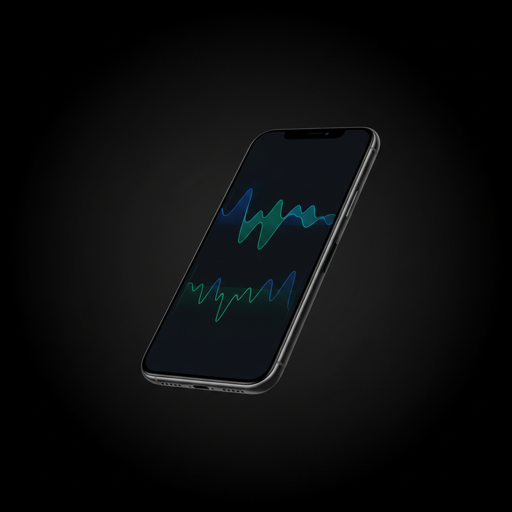
Chronic stress degrades operational judgment and increases accident susceptibility. Effective stress management programs utilize objective physiological metrics to detect stress states before they compromise operational safety. (Source: OSHA — Ergonomics)
Key fact: Operators with elevated cortisol levels show 41% more procedural errors during critical operations (ICMM 2026).
Controlled breathing techniques, implemented through intelligent reminders, reduce physiological stress markers by up to 38% during night shifts. These interventions are especially effective when combined with continuous biometric monitoring.
4-7-8 Anti-Stress Protocol
Breathing technique automatically activated when Logifit sensors detect elevated heart rate or reduced variability, providing immediate relief from acute stress.
- Early detection: Algorithms identify stress patterns 15 minutes before behavioral manifestations
- Immediate intervention: Guided breathing protocols automatically activated by wearable devices
- Continuous monitoring: Physiological response tracking to adjust intervention intensity
- Supervisory escalation: Automatic alerts to supervisors when stress levels exceed critical thresholds
Active Recovery Routines During Extended Shifts
Active recovery during shifts prevents fatigue accumulation and maintains optimal alertness levels. Structured micro-breaks every 90 minutes improve cognitive performance by up to 31% in the final hours of shifts.
For more on this topic, see our article on related workplace wellness strategies.
Specific muscle activation exercises counteract negative effects of prolonged static positions. These 3-5 minute routines improve circulation and reduce joint stiffness without significantly interrupting operations.
Smart Micro-breaks
Automated system that schedules recovery breaks based on current workload, environmental conditions, and individual operator physiological metrics.
- Dynamic neck stretching: Counteracts tension from prolonged driving positions
- Core activation: Strengthens postural muscles during 2-minute breaks
- Eye exercises: Reduces visual fatigue from prolonged screen exposure and low-light conditions
- Limb mobility: Prevents numbness and improves peripheral circulation
Active recovery during shifts isn't lost time—it's investment in sustainable performance and long-term injury prevention.
— Ana Lucia Vargas, Occupational Wellness SpecialistWearable Technology for Comprehensive Wellbeing Monitoring
Modern wearable devices transform wellness monitoring from reactive to predictive. The Logifit platform integrates multiple biomarkers to provide holistic real-time assessments of operator status.
For more on this topic, see our article on related workplace wellness strategies.
Optimize Your Operators' Wellbeing with Advanced Technology
Discover how Logifit combines physiological monitoring, intelligent alerts, and recovery protocols to create wellness programs that reduce accidents and improve productivity.
Request Demo →Integration of hydration, stress, ergonomics, and recovery data provides a complete view of operator status. This information enables preventive interventions before risk factors compromise operational safety.
| Wellness Metric | Monitoring Frequency | Alert Threshold |
|---|---|---|
| Hydration | Every 30 minutes | <2L consumed/8h |
| Stress (HRV) | Continuous | <20ms RMSSD |
| Posture | Every 15 minutes | >30° deviation |
| Recovery | Between shifts | <6h REM sleep |
Logifit's pre-work assessment utilizes this data to generate personalized wellness recommendations that evolve with individual operator needs over time.
Implementation and Measurement of Wellness Program Results
Successful wellness program implementation requires clear metrics and continuous tracking. Leading organizations establish specific KPIs and utilize real-time dashboards to monitor the impact of their wellness interventions.
Effective programs begin with comprehensive baseline assessments and establish measurable objectives for each wellness component. Continuous tracking enables dynamic adjustments based on actual results and operator feedback.
Integrated Wellness Dashboard
The Logifit platform consolidates all wellness metrics into intuitive visualizations that enable rapid identification of trends and improvement opportunities.
Companies with structured wellness programs report 65% less absenteeism and 23% higher operational productivity, validating the ROI of these investments.
Results measurement includes both quantitative metrics (injury reduction, productivity improvement) and qualitative measures (employee satisfaction, safety perception). This holistic approach ensures wellness programs generate value for both operators and organizations.
Worker wellness in logistics represents an evolution toward more humane and sustainable operations. Organizations that prioritize hydration, ergonomics, stress management, and active recovery create environments where operators thrive both professionally and personally, generating superior results for all stakeholders.