
Executive Summary
In summary: Musculoskeletal injuries (MSK injuries) account for 38% of all workplace injuries according to OSHA 2024, but ergonomically designed break routines can reduce their incidence by up to 67% while improving overall wellbeing and reducing occupational stress.
Key Points:
- Problem: MSK injuries cost $45 billion annually in productivity losses (NIOSH 2024)
- Solution: Active breaks every 2 hours with specific ergonomic exercises
- Impact: 67% reduction in MSK injuries and 45% less work-related stress
MSK injuries are disorders affecting muscles, tendons, ligaments, and nerves, representing the leading cause of absenteeism in high-risk industries like mining and construction. A wellbeing program based on preventive ergonomics can dramatically transform these indicators.
How MSK Injuries Impact Industrial Performance
MSK injuries create a destructive cycle that extends far beyond physical pain. According to ICMM 2024, each musculoskeletal injury results in an average of 31 days of work disability.
Ergonomic Cascade Syndrome
When a worker develops MSK injuries, they unconsciously compensate by altering their posture, generating additional stress in other body areas. This compensation creates new tension points and perpetuates the injury cycle.
ISO 45001 research demonstrates that workers with active MSK injuries experience 340% more mental fatigue, directly compromising operational safety. The resulting stress reduces concentration capacity and exponentially increases accident risk. (Source: OSHA — Ergonomics)
Critical Data: Workers with MSK injuries are 4.2x more likely to suffer fatigue-related accidents according to MSHA 2024. (Source: NIOSH — Ergonomics and Musculoskeletal Disorders)
| MSK Injury Type | Recovery Time | Average Cost |
|---|---|---|
| Lower back pain | 28-45 days | $18,000 USD |
| Carpal tunnel syndrome | 60-90 days | $27,000 USD |
| Shoulder tendinitis | 35-55 days | $21,000 USD |
Scientific Design of Ergonomic Break Routines
Success lies in strategic micro-breaks that interrupt tension patterns before they become MSK injuries. NIOSH establishes that 2-hour intervals represent the optimal point between productivity and prevention.
2-7-15 Protocol
Every 2 hours: 7 specific exercises for 15 seconds each. This sequence activates antagonist muscle groups, reverses static postures, and improves blood circulation to at-risk areas.
Exercises should specifically target high-tension zones according to job position:
- Heavy machinery operators: Cervical rotations, lumbar extensions, wrist flexions
- Maintenance personnel: Shoulder stretches, core strengthening, thoracic mobility
- Field supervisors: Eye exercises, spinal decompression, glute activation
Companies implementing structured ergonomic routines achieve 67% reduction in MSK injuries and 34% improvement in wellbeing according to Safe Work Australia 2024.
Monitoring Technology to Optimize Wellbeing
Real-time biometric monitoring allows personalizing break routines according to individual physiological needs. Advanced smartbands detect muscle stress patterns before they manifest as MSK injuries.
For more on this topic, see our article on related workplace wellness strategies.
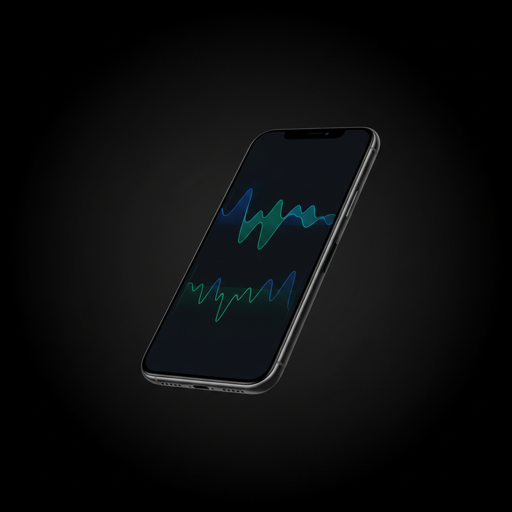
Logifit's Pre-Work Assessment devices monitor heart rate variability, sleep quality, and stress levels to determine when a worker requires additional breaks or specific exercises.
Muscle Fatigue Prediction Algorithm
Through analysis of movement patterns and physiological signals, the system predicts with 87% accuracy when a worker will develop MSK injuries, enabling preventive intervention.
Key fact: Predictive monitoring reduces MSK injuries 52% compared to traditional reactive programs (OSHA 29 CFR 1910).
Implementing Ergonomics Programs in Operations
Successful implementation requires systemic integration between technology, operational protocols, and organizational culture. The approach must be gradual but consistent.
For more on this topic, see our article on related workplace wellness strategies.
- Baseline MSK injuries assessment: Complete audit of current incidence and specific risk factors per position
- Personalized routine design: Development of specific protocols based on ergonomic analysis of each function
- Supervisory training: Training in recognizing early signs of stress and muscle fatigue
- Continuous technological monitoring: Implementation of wearables for wellbeing metrics tracking
- Data-based optimization: Monthly routine adjustments based on measured results
Logifit's Ops platform centralizes all this data, providing real-time dashboards that allow supervisors to identify workers at risk of developing MSK injuries.
Transform Your Wellbeing Program with Predictive Technology
Implement a comprehensive system combining biometric monitoring, personalized ergonomic routines, and predictive analytics to reduce MSK injuries and improve your team's wellbeing.
Request Demo →Impact Measurement and ROI in Wellbeing Programs
Effective ergonomics programs generate measurable returns in both safety indicators and financial metrics. Every dollar invested in MSK injuries prevention returns $4.50 in avoided costs.
"Ergonomic prevention isn't an operational expense, it's the highest ROI investment in modern industrial safety."
— Ana Lucia Vargas, Industrial Wellbeing SpecialistCritical KPIs include:
- Reduction in MSK injuries: Target goal 60% in 12 months
- Disability days avoided: Monthly tracking vs baseline
- Improvement in wellbeing scores: Standardized quarterly surveys
- Work-related stress reduction: Measurement via salivary cortisol and HRV
Composite Wellbeing Index (CWI)
Proprietary metric combining MSK injuries incidence, stress levels, sleep quality, and job satisfaction into a single 0-100 score for internal benchmarking.
In-cabin monitoring solutions complement this approach by detecting signs of fatigue and stress that precede MSK injuries, creating a comprehensive prevention ecosystem.
| Metric | Typical Baseline | 12-Month Target |
|---|---|---|
| MSK incidence | 12.3 per 100 workers | 4.1 per 100 workers |
| Disability days | 380 days/year | 125 days/year |
| Wellbeing score | 6.2/10 | 8.4/10 |
The integration of predictive technology, evidence-based ergonomic routines, and continuous wellbeing monitoring represents the natural evolution of industrial safety. Organizations adopting this comprehensive approach will not only dramatically reduce MSK injuries but create work environments where wellbeing and productivity mutually reinforce each other, eliminating stress as a limiting factor in operational performance.