

Executive Summary
In summary: Workplace wellbeing focused on ergonomics and MSK injury prevention can increase operational uptime by up to 35%, reducing absenteeism costs and improving sustainable productivity in industrial operations.
Key Points:
- Problem: MSK injuries account for 42% of industrial absenteeism according to NIOSH 2024
- Solution: Integrated programs combining ergonomics, posture monitoring and recovery routines
- Impact: 45% reduction in lost days from MSK injuries and 4:1 ROI on investment
Worker wellbeing represents the systematic integration of ergonomic practices, postural health monitoring, and MSK injury prevention programs to maximize operational availability. In high-risk industrial operations where every minute of downtime represents significant losses, focusing on wellbeing is not just a social responsibility, but a critical operational continuity strategy. (Source: NIOSH — Ergonomics and Musculoskeletal Disorders)
Impact of MSK Injuries on Industrial Productivity
Musculoskeletal injuries constitute the leading cause of absenteeism in mining, construction, and transport operations. According to OSHA 2024 data, 38% of all workplace injuries correspond to MSK disorders, generating average costs of $45,000 per case in lost time and temporary replacements. (Source: OSHA — Ergonomics)
Solutions like Logifit Pre-Work assessment identify risks before each shift begins, measuring sleep phases and generating real-time fitness status.
MSK Risk Factors in Industrial Operations
Sustained postures for more than 2 hours, heavy equipment vibrations, repetitive movements, and loads exceeding 23kg constitute the main triggers of MSK injuries in industrial environments.
Preventive ergonomics must integrate real-time postural assessments with specific recovery routines. Studies from the National Institute for Occupational Safety and Health demonstrate that structured wellbeing programs reduce MSK injury incidence by 25% to 45% during the first year of implementation. (Source: WHO — Healthy Workplace Framework)
Critical Data: Operators with more than 8-hour shifts without ergonomic breaks show 3.2x higher risk of MSK injuries according to ISO 45001 sectoral analysis.
| MSK Injury Type | % of Total | Average Days Lost |
|---|---|---|
| Lower Back Pain | 34% | 18 days |
| Neck Pain | 23% | 12 days |
| Tendinitis | 19% | 25 days |
| Carpal Tunnel Syndrome | 15% | 35 days |
| Other | 9% | 14 days |
Preventive Ergonomics Strategies to Maximize Uptime
Effective ergonomics requires continuous evaluation of work postures, design of adaptable workstations, and micro-recovery routines integrated into operational workflows. Leading organizations implement monitoring systems that detect risky postural patterns before they become injuries.
Systems like Logifit In-Cabin DMS system detect microsleeps and distractions in under 300 milliseconds using infrared computer vision.
Structured Ergonomic Break Program
3-5 minute breaks every hour with specific exercises for cervical, lumbar, and upper extremity mobility can reduce accumulated muscle tension by up to 60%.
Successful wellbeing programs incorporate wearable technology to monitor postural indicators in real-time. Devices like Logifit's smartbands can track movement patterns, detect risk postures, and generate preventive alerts before cumulative micro-trauma occurs.
- Initial ergonomic assessment: Detailed workplace analysis identifying critical points of postural tension
- Adaptable workstation design: Implementation of furniture and tools adjustable to different anthropometries
- Body mechanics training: Specific training in lifting techniques, positioning, and manual handling
- Continuous monitoring: Use of wearable technology for real-time tracking of postural indicators
- Recovery routines: Mobility and strengthening exercise programs integrated into shifts
Companies implementing comprehensive ergonomics programs achieve 35% reduction in uptime lost to MSK injuries, according to NIOSH 2024 longitudinal study.
Wearable Technology for Postural Wellbeing Monitoring
Wearable devices enable continuous monitoring of critical biomechanical indicators without interfering with normal operations. Logifit's wellbeing monitoring technology integrates motion sensors, postural pattern analysis, and machine learning algorithms to identify developing ergonomic risks.
Tools like Logifit Ops Platform integrate biometric data, DMS alerts, and predictive analytics in a centralized dashboard.
Key Postural Monitoring Indicators
Frequency of postural changes, time in static positions, range of joint movements, and heart rate variability as a proxy for accumulated physical stress.
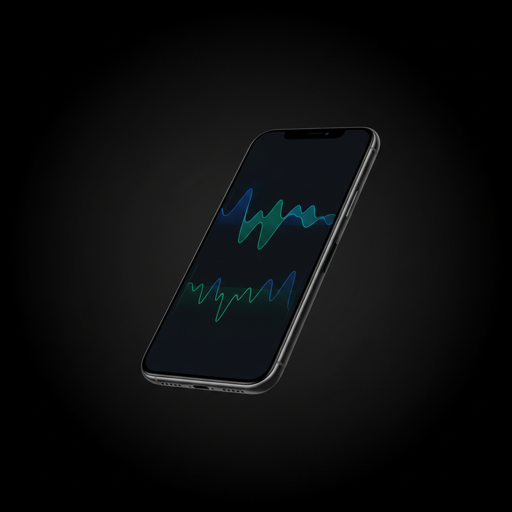
Effective implementation of wearable technology for wellbeing requires integration with existing operational management systems. Ergonomics data must be correlated with productivity metrics, identifying the optimal point between performance and operators' physical sustainability.
Key fact: Wearable ergonomics monitoring reduces MSK injuries by 28% during the first 6 months of implementation according to Safe Work Australia.
- Early detection of postural fatigue: Algorithms identifying patterns of deterioration in body mechanics before injuries
- Personalized preventive alerts: Specific notifications based on individual history and risk factors
- Recovery metrics: Tracking of rest and recovery indicators between shifts
- Predictive analysis: Identification of workers at elevated risk based on historical patterns
Recovery and Occupational Physical Conditioning Programs
Structured recovery routines constitute the fundamental component for maintaining sustainable physical wellbeing. Effective programs combine joint mobility exercises, stabilizing muscle strengthening, and neuromuscular relaxation techniques adapted to the specific demands of each industrial operation.
5-Minute Recovery Routine
Sequence of cervical mobility (1 min), lumbar extension (2 min), core strengthening (1 min), and breathing relaxation (1 min) reduces accumulated tension by 45% according to ergonomic studies.
Occupational physical conditioning must be specific to the biomechanical demands of each position. Machinery operators require emphasis on postural musculature and trunk stability, while maintenance personnel need programs focused on joint flexibility and functional strength.
| Body Area | Recommended Exercise | Daily Frequency |
|---|---|---|
| Cervical | Rotations and lateral flexions | Every 2 hours |
| Lumbar | Extensions and pelvic tilts | Every hour |
| Shoulders | Circumductions and scapular retractions | Every 90 minutes |
| Wrists | Flexions, extensions and circumductions | Every 45 minutes |
MSK injury prevention is not just an investment in wellbeing, but a fundamental strategy to ensure operational continuity and long-term competitiveness.
— Ana Lucia Vargas, Industrial Ergonomics SpecialistROI and Success Metrics in Ergonomic Wellbeing Programs
Quantifying return on investment in ergonomic wellbeing requires specific metrics that link postural health indicators with operational results. Successful organizations implement integrated dashboards that correlate ergonomics data with uptime, productivity, and absenteeism costs.
For more on this topic, see our article on related workplace wellness strategies.
Key Ergonomic Performance Indicators (KPIs)
Days without MSK injuries, absenteeism index for postural disorders, average recovery time, worker satisfaction with wellbeing programs, and correlation between ergonomic metrics and productivity.
Cost-benefit analysis must include direct savings from injury reduction, decreased insurance premiums, lower personnel turnover, and improvements in operational efficiency. Sectoral studies demonstrate average ROI of 4:1 in comprehensive ergonomic wellbeing programs implemented over 18 months.
- Medical cost reduction: Average 38% decrease in MSK injury expenses
- Retention improvement: 23% less turnover in high ergonomic risk positions
- Productivity increase: 15% improvement in operational efficiency metrics
- Job satisfaction: 67% improvement in worker-reported wellbeing indices
Optimize Wellbeing and Uptime with Logifit
Logifit's comprehensive platform combines wearable monitoring, predictive analytics, and personalized wellbeing programs to maximize sustainable productivity in your operations.
Request Demo →Successful implementation of ergonomic wellbeing programs requires organizational commitment, appropriate technology, and continuous monitoring. Companies that prioritize operator wellbeing not only reduce MSK injury risks but build sustainable competitive advantages based on higher uptime, lower absenteeism, and teams more committed to operational excellence.