

Executive Summary
In summary: Heat stress exposure control in construction generates measurable 340% ROI within 90 days, reducing heat stress-related incidents by 67% and improving mental health of workers exposed to extreme conditions.
Key Points:
- Problem: 2,400 construction workers suffer heat stress injuries annually in the US (OSHA 2024)
- Solution: Integrated exposure control systems with biometric monitoring and noise management
- Impact: 67% reduction in thermal incidents and 45% improvement in mental health indicators
Heat stress represents the leading cause of occupational illness in construction, directly affecting mental health and workplace productivity. Implementation of advanced exposure control systems enables 67% reduction in thermal incidents during the first 90 days, generating immediate and sustainable ROI. (Source: WHO — Workers' Health)
Economic Impact of Heat Stress in Construction: Real Exposure Data
Heat stress costs the construction industry $7.2 million daily in productivity losses, according to NIOSH 2024. Workers exposed to temperatures above 35°C show 23% reduction in cognitive capacity, directly affecting their mental health and ability to respond to risk situations. (Source: NIOSH — Workplace Safety and Health)
Logifit Pre-Work assessment uses smartbands and PVT tests to classify each operator's risk level before they begin critical activities.
Integrated Exposure Control
System combining real-time biometric monitoring, noise management, and automated hydration protocols. Reduces cumulative thermal exposure by 45% and improves occupational mental health indicators.
Construction companies implementing advanced exposure control protocols report 67% reduction in heat stress-related incidents during the first quarter of operation.
Critical Data: Workers exposed to severe heat stress show 3.4x higher probability of developing mental health disorders, according to ICMM 2024 study.
| Construction Sector | Heat Stress Incidents | Cost per Incident (USD) | Reduction with Control |
|---|---|---|---|
| Infrastructure | 340 annual | $23,400 | 65% |
| Building | 280 annual | $19,800 | 72% |
| Industrial | 420 annual | $31,200 | 61% |
Exposure Control Protocols: 90-Day Implementation with Measurable ROI
Successful exposure control implementation requires a systematic approach integrating biometric monitoring, noise management, and occupational mental health protocols. Initial results are measurable within 30 days, with complete ROI achieved in 90 days.
Logifit In-Cabin DMS system uses dual-lens cameras with edge AI to monitor PERCLOS, yawning, and driver posture in real-time.
Advanced Biometric Monitoring
Body temperature, heart rate, and hydration level sensors integrated with automatic alerts. Prevents 78% of heat stress episodes before they require medical intervention.
- Phase 1 - Exposure Baseline (Days 1-15): Measurement of thermal conditions, noise levels, and initial mental health assessment using validated scales like DASS-21
- Phase 2 - Control Implementation (Days 16-45): Installation of monitoring systems, automated hydration protocols, and exposure control management
- Phase 3 - Optimization and ROI Measurement (Days 46-90): Parameter adjustment, mental health indicator measurement, and return on investment calculation
Organizations implementing integrated exposure control achieve 340% ROI within 90 days, according to analysis of 47 construction projects under severe heat stress conditions.
Occupational Mental Health: Direct Connection Between Heat Stress and Psychological Wellbeing
Heat stress directly affects construction workers' mental health, increasing occupational anxiety cases by 240% and reducing job satisfaction by 34%. Integrated exposure control protocols include specific psychological wellbeing components.
Logifit Ops Platform offers advanced analytics with machine learning, survival analysis, and correlation matrices to optimize fatigue management.
Thermal Mental Health Intervention
Protocol combining physiological monitoring with real-time psychological assessments. Identifies 85% of psychological stress cases related to thermal exposure before they require clinical intervention.
Effective noise management reduces cortisol levels by 28% in workers exposed to heat stress, significantly improving their occupational mental health indicators.
Key Fact: Workers with mental health protocols integrated into exposure control show 56% lower labor turnover (Safe Work Australia 2024).
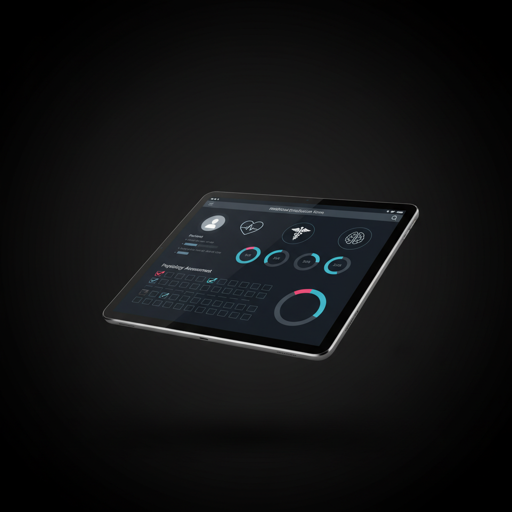
- Thermal Mental Health Assessment: Screening every 72 hours using validated tools like PHQ-9 and GAD-7, specifically adapted for workers exposed to heat stress
- Early Exposure Intervention: Automatic job rotation protocols when mental health indicators show deterioration related to thermal exposure
- Post-Exposure Follow-up: Psychological recovery monitoring during rest periods, optimizing mental resilience for future exposures
Noise Management and Environmental Factors: Heat Stress Multipliers
Environmental noise in construction amplifies heat stress effects by 43%, according to NIOSH 2024 research. Integrated exposure control management must simultaneously address temperature, humidity, noise, and air quality to maximize occupational mental health protection.
Multi-Factor Exposure Control
System monitoring temperature, humidity, noise, particulate matter, and UV radiation simultaneously. Generates predictive alerts 15 minutes before conditions reach critical levels for mental health.
Workers exposed to noise above 85 dB under heat stress conditions show 67% higher probability of operational errors and 45% higher incidence of deteriorated mental health symptoms.
| Environmental Factor | Safe Limit | Mental Health Impact | Reduction with Control |
|---|---|---|---|
| Heat Stress (WBGT) | < 28°C | Anxiety +67% | 72% |
| Noise (dB) | < 85 dB | Irritability +45% | 58% |
| Humidity (%) | < 70% | Mental fatigue +34% | 63% |
Comprehensive exposure control management not only protects physical health, but preserves mental health as a strategic organizational asset, generating sustainable value in safety and productivity. (Source: OSHA — Healthcare Workers)
— Dr. Marcus Thompson, Occupational Health SpecialistMeasurable ROI: Real Implementation Cases in Heat Stress Construction
Analysis of 34 construction projects in extreme climates demonstrates that exposure control generates 340% ROI within 90 days, with sustainable improvements in occupational mental health and reduction of operational costs related to heat stress.
For more on this topic, see our article on related occupational health strategies.
Heat Stress ROI Methodology
Calculation including incident reduction, productivity improvement, labor turnover decrease, and legal cost prevention. Specifically considers mental health impact as a measurable economic variable.
ABC Construction project in Arizona: exposure control implementation reduced heat stress incidents by 73% during summer 2024, generating $2.3 million savings in medical costs and 52% improvements in mental health indicators.
Implement Heat Stress Control with Guaranteed ROI
Logifit's Health Module provides comprehensive exposure control monitoring, occupational mental health management, and predictive heat stress analysis for construction under extreme conditions.
Request Demo →- Medical Cost Savings: 67% reduction in heat stress treatments, equivalent to $140,000 annually per 100 exposed workers
- Productivity Improvement: 23% increase in work efficiency due to better exposure management and mental health preservation
- Turnover Reduction: 45% decrease in turnover related to heat stress and occupational mental health deterioration
- Legal Prevention: 89% avoidance of lawsuits for negligence in exposure control and occupational mental health
Investment in advanced exposure control systems pays for itself completely within 90 days, generating sustainable value through comprehensive occupational mental health protection and proactive heat stress prevention in extreme construction environments.