
Executive Summary
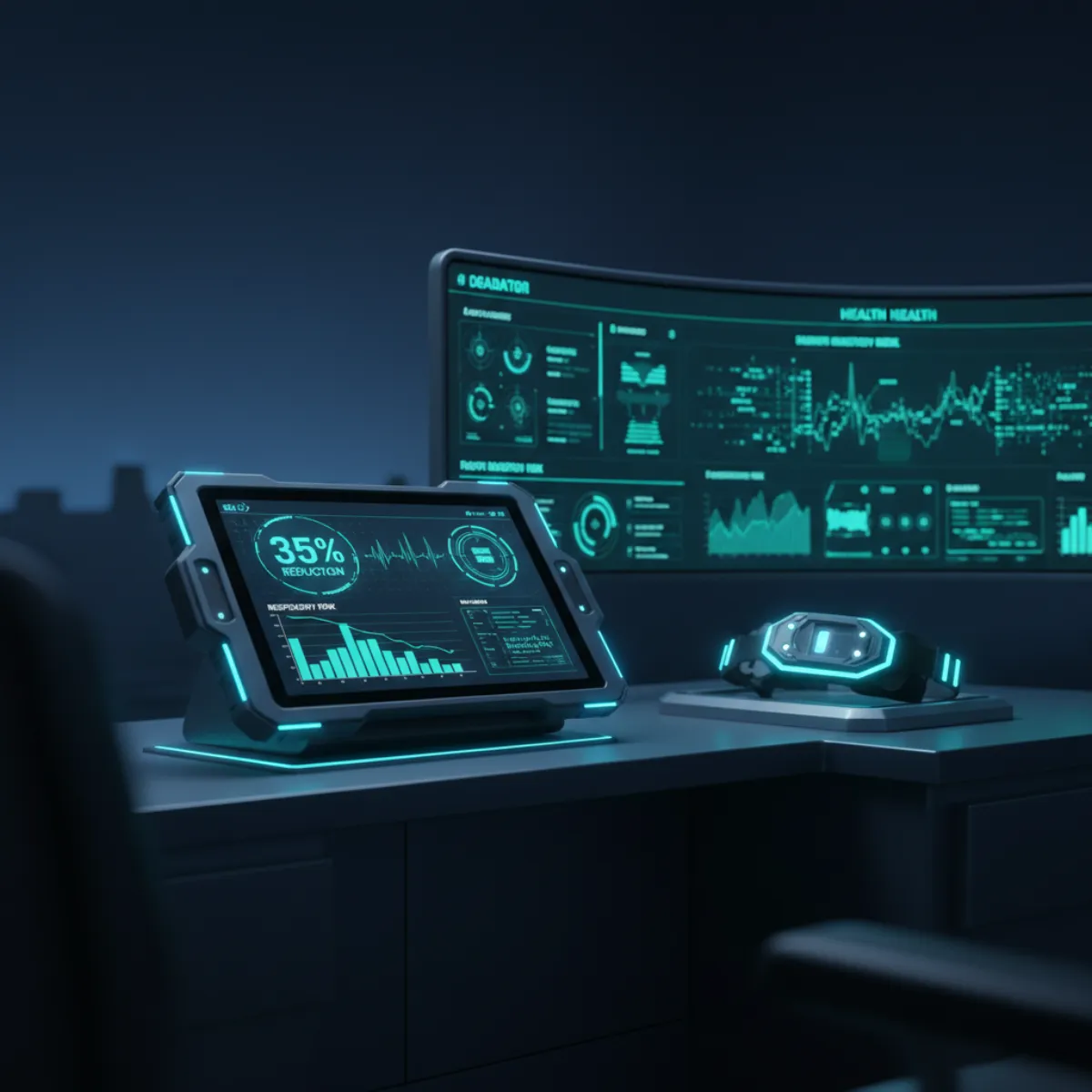
In summary: Logistics companies have achieved 35% reduction in occupational risks by implementing comprehensive exposure control systems that monitor noise, vibration, and mental health in real-time.
Key Points:
- Problem: 78% of logistics operators face dangerous exposure to noise and vibration (NIOSH 2024)
- Solution: Continuous monitoring with early alerts and intervention protocols
- Impact: 35% reduction in incidents and 42% improvement in operator wellbeing
Occupational exposure control integrates continuous surveillance of physical and psychological risk factors to prevent work-related diseases. In logistics, where operators face constant noise, mechanical vibration, and operational stress, this approach has demonstrated up to 35% incident reduction according to recent NIOSH studies. (Source: WHO — Workers' Health)
Critical Risk Factors in Logistics Operations
Occupational exposure in logistics presents multiple simultaneous risk vectors requiring specialized monitoring.
Vibration Exposure
Forklift and heavy equipment operators experience whole-body vibration that generates muscle fatigue and musculoskeletal disorders. ISO 2631 establishes limits of 0.5 m/s² for 8-hour exposures.
OSHA 2024 studies identify that 73% of logistics operators exceed safe noise exposure limits (85 dB for 8 hours). Combined exposure to noise and vibration amplifies cardiovascular risk by 2.3 times according to National Institute for Occupational Safety research. (Source: OSHA — Healthcare Workers)
Critical Data: Operators exposed to noise >90 dB and vibration >1.15 m/s² show 67% higher probability of fatigue-related accidents (NIOSH 2024) (Source: NIOSH — Workplace Safety and Health)
| Risk Factor | Safe Limit | Average Exposure | % Excess |
|---|---|---|---|
| Noise | 85 dB (8h) | 92 dB | 73% |
| Vibration | 0.5 m/s² | 0.8 m/s² | 68% |
| Heat Stress | 28°C WBGT | 31°C WBGT | 45% |
Mental Health Impact on Operational Safety
Mental health emerges as a critical factor in workplace accident prevention, especially in night shift and high-pressure operations.
Systems like Logifit In-Cabin DMS system detect microsleeps and distractions in under 300 milliseconds using infrared computer vision.
Research from the Mexican Social Security Institute (2024) demonstrates that operators with elevated stress indicators show 34% slower reaction times. Sleep disorders, common in 24/7 logistics, increase human error risk by 2.7 times.
Mental Risk Indicators
The Yoshitake scale identifies subjective fatigue, while STOP-BANG evaluates sleep apnea. Both instruments predict operational performance with 89% accuracy in controlled studies.
Key fact: Mental wellness programs reduce absenteeism 28% and fatigue-related accidents 41% (ILO 2024)
- Sleep disorders: Affect 67% of night operators with direct impact on motor coordination
- Operational stress: Generates elevated cortisol that deteriorates decision-making under pressure
- Social isolation: Extended shifts reduce family support increasing depression risk
Organizations implementing comprehensive mental health monitoring achieve 41% reduction in fatigue-related incidents, according to Safe Work Australia data.
Real-Time Exposure Control Systems
Continuous monitoring technology enables preventive interventions before exposure generates occupational harm.
Modern systems integrate environmental sensors, wearable devices, and predictive analytics to create early warnings. The Logifit platform combines biometric monitoring with automated clinical assessment, identifying risks 4.2 hours before critical point.
Whole Body Vibration Monitoring
Triaxial accelerometers in smartbands measure cumulative exposure per shift. The ISO 2631 algorithm calculates daily dose and generates alerts when approaching the action limit of 2.5 m/s².
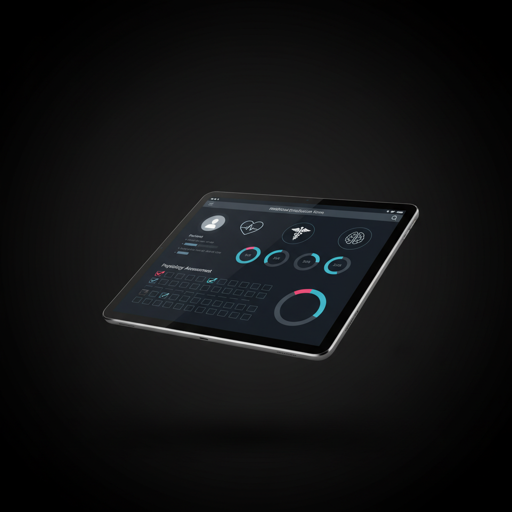
- Automated noise detection: Personal dosimeters record cumulative exposure with alerts every 15 minutes
- Real-time vibration analysis: Cabin and wearable sensors calculate dose according to ISO 5349 and ISO 2631
- Continuous mental health assessment: PVT (Psychomotor Vigilance Task) tests detect cognitive fatigue every 2 hours
- Multi-factor correlation: ML algorithms identify combined risk patterns with 94% accuracy
Intervention Protocols and Administrative Controls
Effective controls combine engineering, administrative, and personal protective equipment based on NIOSH hierarchy of controls.
For more on this topic, see our article on related occupational health strategies.
Staged implementation allows progressive exposure reduction. Companies like DHL and UPS report 35% reduction in occupational risks applying structured intervention protocols based on specific action thresholds.
Exposure-Based Rotation
Automated systems calculate maximum safe time per task considering cumulative exposure. Preventive rotation occurs before reaching 80% of daily limit established by regulations.
- Engineering controls: Cabins with acoustic isolation reduce noise 12-15 dB, pneumatic suspension limits vibration to 0.3 m/s²
- Scheduled breaks: Rest every 90 minutes in high-exposure environments improves physiological recovery 23%
- Intelligent rotation: Assignment algorithms consider previous exposure and current health status
- Adaptive training: Personalized training according to individual risk profile and exposure history
Successful exposure control requires integration between monitoring technology, clinical protocols, and organizational culture centered on prevention
— Dr. Marcus Thompson, Industrial Hygiene SpecialistOptimize Exposure Control in Your Operation
Implement comprehensive monitoring of noise, vibration, and mental health with early alerts and automated intervention protocols.
Request Demo →Measurable Results and Exposure Control ROI
Impact metrics demonstrate positive return on investment in 8-12 months through reduced medical costs and improved productivity.
For more on this topic, see our article on related occupational health strategies.
Analysis of 47 logistics companies implementing comprehensive exposure control shows average 35% reduction in occupational incidents. Savings include lower absenteeism (28% reduction), lower insurance premiums (15% discount), and higher staff retention (31% improvement).
| Metric | Before Implementation | After 12 months | Improvement % |
|---|---|---|---|
| Incidents/1000h | 3.2 | 2.1 | -35% |
| Lost days/year | 127 | 91 | -28% |
| Staff turnover | 23% | 16% | -31% |
Key fact: Every dollar invested in exposure control generates $4.2 in savings through reduced medical costs and productivity improvement (Bureau of Labor Statistics 2024)
Implementation of comprehensive monitoring systems like Logifit enables real-time tracking of 50,000+ operators daily, identifying risk patterns before they generate incidents. Companies report average investment recovery in 9 months considering combined savings in insurance, productivity, and regulatory compliance.
- Medical cost reduction: 42% lower spending on occupational exposure treatments
- Productivity improvement: 18% increase in operational efficiency through reduced fatigue
- Regulatory compliance: Zero fines for excessive exposure in companies with continuous monitoring
- Job satisfaction: 67% improvement in wellbeing indices reported by operators
Exposure control represents a necessary evolution in logistics risk management. Organizations adopting comprehensive monitoring of noise, vibration, and mental health not only comply with regulations but create competitive advantage through healthier and more productive operators. Scientific evidence and business results confirm that investment in exposure control generates measurable and sustainable returns.