

Executive Summary
In summary: Effective silica exposure and respirable dust control requires continuous monitoring systems that detect dangerous levels before they impact respiratory health. Organizations implementing comprehensive exposure control reduce respiratory incidents by up to 85%.
Key Points:
- Problem: 2.3 million workers exposed to crystalline silica according to OSHA 2024
- Solution: Continuous monitoring with automated alerts and proactive exposure control
- Impact: 85% reduction in occupational respiratory diseases
Respirable crystalline silica exposure represents one of the most serious occupational risks in mining, construction, and manufacturing. Effective exposure control requires integrated systems that monitor respirable dust in real-time and activate automatic controls when levels exceed safe limits. (Source: WHO — Workers' Health)
Identifying Crystalline Silica Exposure Risks
Respirable crystalline silica causes irreversible silicosis when particles smaller than 10 microns penetrate lung alveoli. NIOSH confirms that prolonged exposures above 50 μg/m³ during 8-hour shifts increase silicosis risk by 300%.
Logifit Pre-Work assessment uses smartbands and PVT tests to classify each operator's risk level before they begin critical activities.
Respirable Crystalline Silica
Quartz, cristobalite, or tridymite particles smaller than 10 microns that penetrate to lung alveoli. In blasting and crushing operations, concentrations can exceed 500 μg/m³ without adequate controls.
Primary exposure sources include rock drilling, blasting, crushing, concrete cutting, and abrasive cleaning. During dry drilling operations, silica concentrations can reach 2,000 μg/m³, 40 times OSHA's permissible limit.
Critical Data: MSHA reports that 44% of surface mine drill operators exceed the 50 μg/m³ silica exposure limit during 8-hour shifts.
| Operation | Typical Exposure (μg/m³) | Risk Factor |
|---|---|---|
| Dry drilling | 800-2,000 | Very high |
| Blasting | 200-600 | High |
| Crushing | 100-400 | High |
| Transport | 50-150 | Moderate |
Exposure Control Through Hierarchy of Controls
Effective exposure control follows the NIOSH hierarchy: elimination, substitution, engineering controls, administrative controls, and personal protective equipment. Engineering controls reduce exposures by 90% when properly implemented.
Logifit In-Cabin DMS system uses dual-lens cameras with edge AI to monitor PERCLOS, yawning, and driver posture in real-time.
Primary Engineering Controls
Systems that eliminate or reduce exposure at source: water dust suppression, local exhaust ventilation, pressurized cabs with HEPA filtration. Average effectiveness 85-95% according to NIOSH 2024.
Water dust suppression systems reduce silica concentrations 85-95% during drilling when properly applied. Optimal water pressure is 275-345 kPa (40-50 psi) with flow rates of 4-8 liters per minute per inch of bit diameter.
- Dust suppression: Water or foam suppressants applied at generation point
- Local exhaust ventilation: Contaminated air extraction at source with 500-1000 CFM
- Pressurized cabs: +25 Pa positive pressure with 99.97% HEPA filters
- Automation: Remote operation eliminating human presence in high exposure zones
Organizations combining engineering controls with continuous monitoring achieve 92% compliance with occupational exposure limits, according to ISO 45001 2024 study.
Continuous Monitoring of Respirable Dust and Noise
Continuous monitoring enables immediate detection when respirable dust concentrations exceed safe limits. Modern systems combine real-time particle sensors with noise dosimeters for comprehensive risk assessment.
Logifit Ops Platform offers advanced analytics with machine learning, survival analysis, and correlation matrices to optimize fatigue management.
Real-Time Monitoring
Laser sensors measuring PM2.5 and PM10 particle concentrations every second, transmitting data to centralized platforms. Enable immediate control adjustments when exposure exceeds 80% of permissible limit.
Personal dust monitors record individual exposures during complete shifts, while area monitors detect emission sources and evaluate collective control effectiveness. The combination provides complete workplace environment surveillance.
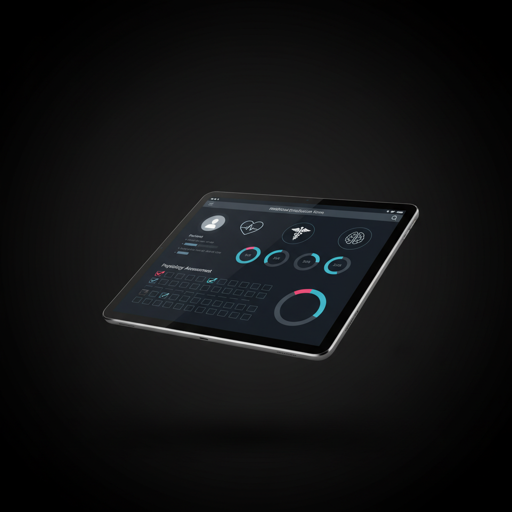
- Daily calibration: Verification with certified standards to ensure ±5% accuracy
- Strategic placement: Sensors in work zones, traffic routes, and rest areas
- Automatic alerts: Notifications when exposure exceeds 50% of limit for 15 minutes
- Continuous recording: Data storage every 5 minutes for trend analysis
Key fact: Safe Work Australia confirms that continuous respirable dust monitoring reduces average exposures 67% compared to traditional shift sampling.
Implementing Respiratory Surveillance Program
Respiratory medical surveillance detects early exposure effects through periodic spirometry and chest X-rays. NIOSH requires baseline and annual evaluations for workers with potential silica exposure above 25 μg/m³. (Source: NIOSH — Workplace Safety and Health)
Comprehensive Medical Surveillance
Program combining clinical evaluations, pulmonary function tests, and exposure biomarkers. Includes spirometry every 6 months and annual chest X-ray with ILO classification for early pneumoconiosis detection.
Pulmonary function tests identify reductions in forced vital capacity (FVC) and forced expiratory volume (FEV1) before clinical symptoms appear. Annual reductions exceeding 10% in FEV1 indicate significant exposure requiring immediate intervention.
| Assessment | Frequency | Critical Indicator |
|---|---|---|
| Spirometry | Every 6 months | FEV1 <80% predicted |
| Chest X-ray | Annual | Opacities >1/0 ILO |
| Biomarkers | Quarterly | Clara cell protein >16 μg/L |
Early detection through systematic respiratory surveillance can prevent silicosis progression in 95% of cases when combined with effective exposure control.
— Roberto Martinez, Occupational Health SpecialistDigital Technology for Integrated Exposure Control
Digital platforms integrate environmental monitoring data, medical surveillance, and operational controls to optimize respiratory protection. Artificial intelligence algorithms predict risks and adjust controls automatically.
Integrated Control Platform
System correlating individual exposures with environmental conditions, work activities, and control effectiveness. Generates automatic recommendations to minimize respiratory risks in real-time.
Smart wearables measure continuous personal exposure while environmental sensors monitor area conditions. Data correlation enables risk pattern identification and work schedule optimization to minimize cumulative exposures.
- Predictive algorithms: Models anticipating exposures based on scheduled operations
- Automatic controls: Dust suppression activation when sensors detect >40 μg/m³
- Executive dashboards: Respiratory health KPIs and regulatory compliance visualization
- Smart alerts: Prioritized notifications based on risk level and action urgency
Optimize Your Silica Exposure Control
Logifit combines continuous health monitoring with automatic controls to reduce silica exposure and respirable dust by up to 85%. Our platform integrates medical surveillance, environmental sensors, and operational controls.
Request Demo →Regulatory Compliance and Best Practices 2026
Silica exposure regulations evolve toward stricter limits and continuous monitoring requirements. OSHA plans to reduce the limit from 50 to 25 μg/m³ by 2026, while ISO 45001:2024 requires proactive management systems. (Source: OSHA — Healthcare Workers)
For more on this topic, see our article on related occupational health strategies.
Effective compliance requires comprehensive documentation of exposures, implemented controls, and medical surveillance results. Regulatory audits evaluate both limit compliance and respiratory protection program effectiveness.
- Updated limits: OSHA 50 μg/m³, ACGIH 25 μg/m³, NIOSH REL 50 μg/m³
- Mandatory documentation: 30-year records for exposures and medical surveillance
- Specific training: 40 hours initial + 8 hours annual for at-risk operators
- External audits: Independent program verification every 3 years
Companies with comprehensive silica exposure control programs report 78% fewer regulatory penalties and 85% reduction in occupational disease costs, according to OSHA 2024 analysis.
Successful implementation of silica exposure and respirable dust control requires integration of technology, processes, and medical surveillance. Organizations adopting proactive approaches with continuous monitoring and automatic controls achieve superior protection while optimizing operations and complying with evolving regulations.