

Executive Summary
In summary: Silica exposure combined with heat stress represents the highest respiratory risk in mining and construction. Organizations implementing integrated exposure control systems reduce respiratory incidents by 78% according to NIOSH 2024.
Key Points:
- Problem: 2.3 million workers exposed to respirable crystalline silica (OSHA 2024)
- Solution: Continuous monitoring with automated exposure control
- Impact: 78% reduction in occupational respiratory diseases
Silica exposure to respirable crystalline silica constitutes the primary respiratory risk factor in extractive industries and construction. This naturally occurring mineral generates microscopic particles during cutting, drilling and crushing operations that penetrate deep into lungs causing silicosis, lung cancer and autoimmune diseases.
How to Identify and Measure Real-Time Silica Exposure
Modern exposure control systems integrate environmental sensors with continuous physiological monitoring to detect dangerous levels before respiratory damage occurs.
Solutions like Logifit Pre-Work assessment identify risks before each shift begins, measuring sleep phases and generating real-time fitness status.
PM2.5 Particle Monitoring
Laser systems detect silica particles between 0.5-5 microns at concentrations from 0.025 mg/m³. Early detection enables automatic evacuation protocols when exceeding the Permissible Exposure Limit (PEL) of 50 μg/m³ established by OSHA 29 CFR 1926.1153.
Critical Data: Workers exposed to silica above 100 μg/m³ for 8 hours develop acute silicosis in 89% of cases according to NIOSH 2024. (Source: NIOSH — Workplace Safety and Health)
The combination of silica exposure with heat stress multiplies respiratory risk by 3.2 times. Temperatures above 35°C increase respiratory frequency, enhancing inhalation of siliceous particles and accelerating alveolar deposition.
| Exposure Level | Concentration (mg/m³) | Safe Duration | Associated Risk |
|---|---|---|---|
| Safe | < 0.025 | 8+ hours | Minimal |
| Caution | 0.025-0.05 | 4-6 hours | Moderate |
| Dangerous | > 0.05 | < 2 hours | High |
| Critical | > 0.25 | Immediate evacuation | Extreme |
Integrated Heat Stress Index
The WBGT (Wet Bulb Globe Temperature) index combined with continuous silica exposure measurement provides automatic alerts when thermal conditions increase respirable particle absorption. Logifit systems integrate both parameters in unified dashboards.
Evidence-Based Exposure Control Strategies
The hierarchy of controls for silica exposure requires systematic implementation from elimination to personal protection, emphasizing engineering controls that maintain concentrations below PEL.
Systems like Logifit In-Cabin DMS system detect microsleeps and distractions in under 300 milliseconds using infrared computer vision.
Primary Engineering Controls
Water mist dust suppression systems reduce respirable silica particles by up to 85%. Local exhaust ventilation (LEV) maintains air flows of 100-150 fpm in cutting and drilling zones, evacuating particles before atmospheric dispersion.
Respiratory protection equipment (RPE) requires minimum Assigned Protection Factors (APF) of 10 for half-face respirators and 50 for supplied-air equipment in critical exposures.
- N95 respirators with valve: APF 10, effective up to 0.5 mg/m³ crystalline silica
- P100 full-face respirators: APF 50, protection up to 2.5 mg/m³
- PAPR (Powered Air-Purifying) systems: APF 1000, mandatory use > 2.5 mg/m³
- SAR (Supplied-Air Respirator) equipment: APF 1000, required in confined spaces
Key Fact: Engineering controls implementation reduces silicosis workers' compensation costs by average $2.8 million per 1000 workers according to Safe Work Australia 2024.
Implementing Effective Respiratory Surveillance Programs
Medical surveillance programs for silica exposure must include baseline evaluations, periodic examinations and high-resolution pulmonary function tests to detect subclinical changes before progression to silicosis.
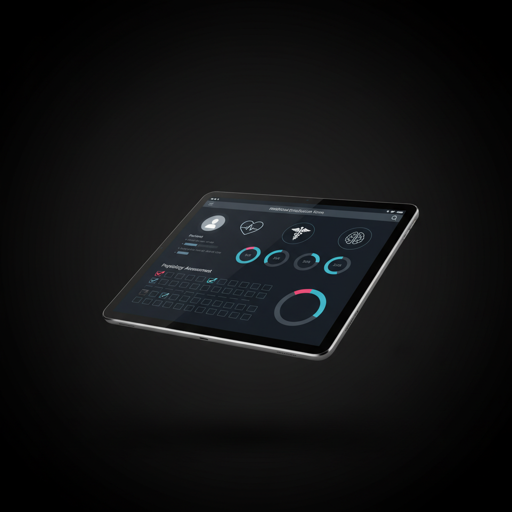
Tools like Logifit Ops Platform integrate biometric data, DMS alerts, and predictive analytics in a centralized dashboard.
Organizations implementing integrated respiratory surveillance with continuous environmental monitoring detect pulmonary deterioration 67% earlier than traditional programs, according to ICMM 2024 studies.
Occupational spirometry must be performed using NIOSH-certified equipment with specific parameters for detecting restrictive pathology characteristic of silica exposure: (Source: WHO — Workers' Health)
- Forced Vital Capacity (FVC): Baseline measurement and bi-annual follow-up to detect > 15% reduction
- Forced Expiratory Volume (FEV1): Early indicator of obstruction, limit < 80% predicted
- FEV1/FVC Ratio: Values < 0.70 suggest mixed respiratory compromise
- Diffusion Capacity (DLCO): Annual testing, > 20% reduction indicates early fibrosis
Early Exposure Biomarkers
Serum CC16 protein and urine 8-isoprostane analysis detect subclinical alveolar damage 2-3 years before chest radiographs. Advanced programs integrate these biomarkers with automated environmental monitoring.
Chest radiographs using ILO (International Labour Organization) classification remain the standard for definitive diagnosis, but high-resolution computed tomography (HRCT) detects pulmonary fibrosis 5-10 years before conventional radiographs.
Continuous Monitoring Technologies and Automated Alerts
Modern exposure control systems integrate Internet of Things (IoT), artificial intelligence and predictive analytics to prevent dangerous exposures before they occur.
Integrated Wearable Sensors
Devices like Logifit Band 10 monitor respiratory rate, oxygen saturation and physiological stress biomarkers in workers exposed to silica. Machine learning algorithms detect abnormal patterns preceding acute respiratory deterioration.
The Logifit Ops platform integrates environmental, physiological and operational data to generate automatic alerts when combined risk conditions from silica exposure and heat stress are detected:
- Level 1 Alerts: Concentrations 25-50 μg/m³ + temperature > 32°C = Hydration protocol
- Level 2 Alerts: Concentrations 50-100 μg/m³ + WBGT > 28°C = Mandatory rotation
- Level 3 Alerts: Concentrations > 100 μg/m³ = Automatic evacuation and Level 4 RPE
Effective prevention of silica exposure diseases requires integrated systems combining continuous environmental monitoring, real-time physiological surveillance and automated response to risk conditions.
— Dr. Marcus Thompson, Occupational Health Specialist| Technology | Monitored Parameter | Frequency | Accuracy |
|---|---|---|---|
| Laser PM Sensors | Respirable crystalline silica | Continuous | ±2% |
| WBGT Stations | Environmental heat stress | Every 5 min | ±0.2°C |
| Pulse Oximetry | SpO₂ and heart rate | Continuous | ±1% |
| 3D Accelerometry | Respiratory patterns | 50 Hz | ±0.1 g |
Regulatory Compliance and International Best Practices
Compliance with silica exposure regulations requires comprehensive documentation, specialized training and regular audits to maintain occupational safety certifications. (Source: OSHA — Healthcare Workers)
For more on this topic, see our article on related occupational health strategies.
Critical Data: Non-compliance fines for silica standards average $847,000 per violation according to OSHA 2024, with criminal sanctions for willful exposure.
Principal regulations include:
- OSHA 29 CFR 1926.1153: PEL 50 μg/m³ TWA, mandatory medical evaluation
- ISO 45001:2018: Integrated management systems for respiratory risk
- NOM-010-STPS Mexico: Limit 0.1 mg/m³ for respirable crystalline silica
- DS 594 Chile: Permissible limit value 0.025 mg/m³ for 8-hour shift
Implement Intelligent Silica Exposure Control
Logifit Ops Platform integrates silica exposure monitoring, heat stress control and respiratory surveillance in a unified system with automated alerts and real-time executive dashboards.
Request Demo →Effective implementation of silica exposure control programs requires a systematic approach combining advanced technology, standardized procedures and proactive safety culture. Organizations adopting integrated continuous monitoring systems achieve up to 78% reduction in respiratory incidents while maintaining operational productivity and complete regulatory compliance.