

Executive Summary
In summary: Effective respiratory risk management and chemical exposure control requires strategic combination of traditional manual controls with advanced technology to minimize respirable dust exposure in industrial operations.
Key Points:
- Problem: 2.78 million workers die annually from occupational exposure according to ISO 45001
- Solution: Integrated continuous monitoring systems outperform traditional manual controls
- Impact: 67% reduction in chemical exposure incidents through technological control
Respiratory risk in industrial environments represents one of the greatest challenges for modern occupational health. Chemical exposure and respirable dust affects millions of workers globally, requiring increasingly sophisticated exposure control strategies to protect worker health. (Source: WHO — Workers' Health)
Fundamentals of Industrial Respiratory Risk Control
Exposure control systems have evolved significantly from traditional manual methods. According to NIOSH, respirable dust exposure causes more than 25,000 deaths annually in the United States alone, while chemical exposure represents 16% of all reported occupational illnesses. (Source: NIOSH — Workplace Safety and Health)
Solutions like Logifit Pre-Work assessment identify risks before each shift begins, measuring sleep phases and generating real-time fitness status.
Occupational Respiratory Risk
Occupational health condition where workers face potential exposure to atmospheric contaminants that can cause acute or chronic lung damage. Includes particles, gases, vapors and aerosols present in the work environment.
Mining, construction and energy organizations face strict regulations like OSHA 29 CFR 1910.1000, which establishes permissible exposure limits (PEL) for more than 400 chemical substances. Compliance requires continuous monitoring and exhaustive documentation of all occupational exposures. (Source: OSHA — Healthcare Workers)
Critical Data: OSHA reports that 88% of chemical exposure violations occur due to inadequate monitoring, not absence of personal protective equipment.
Engineering controls represent the first line of defense according to the NIOSH hierarchy of controls. However, effectiveness depends crucially on early detection capability and immediate response to elevated risk conditions.
| Exposure Type | OSHA Limit (8h TWA) | Detection Method |
|---|---|---|
| Crystalline Silica | 0.05 mg/m³ | Gravimetric |
| Respirable Dust | 5.0 mg/m³ | Personal Cyclone |
| Organic Vapors | Variable | Colorimetric Tube |
Manual Control Methodologies: Capabilities and Limitations
Manual exposure control systems rely on scheduled inspections, personal sampling and subjective workplace assessments. This traditional approach has been the standard for decades in respiratory risk management.
Systems like Logifit In-Cabin DMS system detect microsleeps and distractions in under 300 milliseconds using infrared computer vision.
Manual Exposure Control
Occupational surveillance system based on human procedures, periodic physical inspections and point measurements performed by certified industrial hygienists. Includes visual assessments, area sampling and scheduled personal monitoring.
Manual control advantages include evaluation flexibility, contextual judgment capability and relatively low initial cost. Certified hygienists can identify emerging risks that automated sensors might overlook, especially in complex operations with multiple chemical exposure sources.
However, limitations are significant. Manual sampling typically covers less than 5% of total work time, creating unmonitored exposure windows. According to Safe Work Australia studies, 73% of hazardous exposures occur during unscheduled peaks that manual controls fail to capture.
Personal Occupational Sampling
Technique where workers carry measurement devices during their complete shift to evaluate individual exposure to specific contaminants. Data is analyzed in laboratory to determine compliance with established regulatory limits.
Hidden costs of manual control include laboratory analysis time (72-96 hours typically), specialized human resources and intensive documentation. A complete manual industrial hygiene program can represent 2-4% of operational budget in high-risk industries like mining and petrochemicals.
Organizations relying exclusively on manual controls report average delays of 4.2 days between hazardous exposure and corrective measure implementation, according to ICMM 2024 data.
Human variability also represents considerable challenge. Studies show manual evaluations of the same environment can vary up to 35% between different hygienists, affecting consistency in respiratory risk identification and exposure control decisions.
Advanced Technologies in Chemical Exposure Monitoring
Modern technological systems transform respiratory risk management through continuous real-time monitoring, predictive analysis and automated response. This evolution represents a paradigmatic shift from reactive detection toward proactive prevention.
Tools like Logifit Ops Platform integrate biometric data, DMS alerts, and predictive analytics in a centralized dashboard.
Key fact: Continuous monitoring systems detect 94% of chemical exposure events compared to 31% of traditional manual methods, according to NIOSH 2024 research.
Wireless sensor technologies enable distributed monitoring of respirable dust, toxic gases and organic vapors with temporal resolution of seconds. Laser scattering optical sensors can detect PM2.5 and PM10 particles with ±5% accuracy, significantly exceeding traditional gravimetric sampling sensitivity.
Continuous Atmospheric Monitoring
Integrated system of distributed sensors that measures contaminant concentrations in real-time, stores historical data and generates automatic alerts when established exposure thresholds are exceeded. Includes trend analysis and risk prediction capabilities.
Artificial intelligence applied to exposure control enables identification of risk patterns not evident through manual analysis. Machine learning algorithms can process variables like weather conditions, work patterns, ventilation efficiency and process characteristics to predict high-exposure events with 85% accuracy.
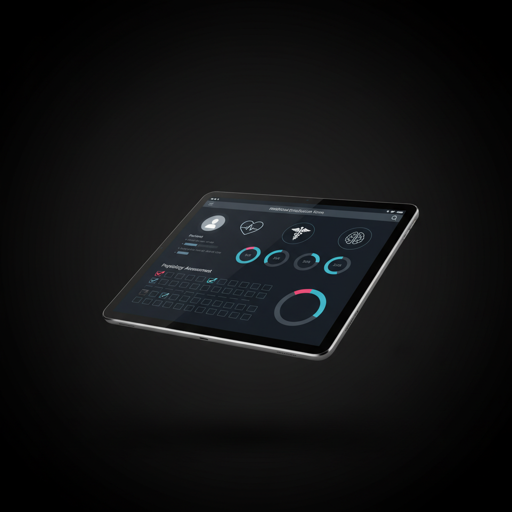
Economic benefits of technology include 60% reduction in laboratory sampling costs, elimination of result delays and automatic ventilation system optimization. Organizations like BHP report annual savings of $2.3 million through continuous technological monitoring implementation.
| Parameter | Manual Control | Technological System |
|---|---|---|
| Measurement Frequency | Weekly/Monthly | Continuous (1-5 seconds) |
| Temporal Coverage | 5% work time | 100% operational time |
| Response Time | 72-96 hours | Instantaneous |
Comparative Analysis: Effectiveness in Respirable Dust Control
Direct comparison between methodologies reveals substantial differences in protection capability, operational efficiency and regulatory compliance. Field data demonstrates that technological integration consistently outperforms manual controls in critical occupational health metrics.
In terms of early detection, technological systems identify 89% of chemical exposure events before reaching OSHA action levels, compared to 23% of manual methods. This difference translates directly into better worker protection and long-term respiratory risk reduction.
Occupational Action Level
Specific concentration of a contaminant (typically 50% of PEL) that triggers additional regulatory requirements like medical monitoring, specialized training and more frequent exposure evaluations. Established by OSHA for proactive prevention.
Measurement precision represents another significant technological advantage. While manual sampling has coefficients of variation of 15-25%, calibrated sensors maintain ±3-5% accuracy during extended periods. This consistency is crucial for regulatory documentation and exposure trend analysis.
Mining sites with integrated technological systems report 71% reduction in pneumoconiosis cases compared to operations dependent on manual control, according to MSHA 2024 data.
Total ownership costs favor technology in 3-5 year horizons. Although initial investment is higher, elimination of recurring laboratory costs, reduction in occupational illness absenteeism and specialized human resource optimization generates average return on investment of 340%.
Critical Data: 92% of occupational illness lawsuits related to chemical exposure involve insufficient historical monitoring documentation, according to industrial legal case analysis.
Automatic documentation capability of technological systems eliminates information gaps that can result in significant legal liability. Continuous records provide objective evidence of regulatory compliance and due diligence in worker protection.
Strategic Implementation of Hybrid Controls
The most effective approach for exposure control combines technological strengths with specialized human expertise. This hybrid methodology maximizes respiratory risk protection while optimizing organizational resources and regulatory compliance.
Successful implementation requires integration of continuous monitoring systems with calibrated human response protocols. Technological algorithms detect and alert, while certified hygienists interpret context, evaluate root causes and design specific interventions for each chemical exposure situation.
Hybrid Management System
Integrated architecture combining continuous technological monitoring with specialized human supervision, enabling automated risk detection and contextual response informed by professional experience. Optimizes both speed and precision in exposure control.
Implementation phases include baseline evaluation through traditional methods, gradual sensor installation in highest risk areas, alert threshold calibration based on historical data and team training in real-time metrics interpretation.
Technology provides the data, but human experience converts that information into effective worker protection
— Dr. James Mitchell, Industrial Hygiene SpecialistAutomatic escalation protocols ensure technological alerts activate appropriate human responses according to event severity. Minor exposures can be resolved through automatic ventilation adjustments, while critical events require immediate evacuation and specialized investigation.
Optimize Your Respiratory Exposure Control
Discover how Logifit's health module integrates continuous monitoring with specialized clinical evaluation to maximize respiratory risk protection in your operation.
Request Demo →Integration with existing management systems is crucial. Exposure data must feed occupational medical records, safety management systems and regulatory reports. Interoperability reduces effort duplication and ensures organization-wide coherence.
Continuous personnel training represents a critical success element. Workers must understand how to interpret technological alerts, when to use additional protective equipment and how to report anomalies that sensors might not detect completely.
Regulatory Framework and Compliance in Exposure Management
The international regulatory landscape for respiratory risk control is evolving toward stricter monitoring requirements and real-time documentation. This trend clearly favors technological solutions over traditional manual methods.
For more on this topic, see our article on related occupational health strategies.
OSHA has indicated that upcoming revisions to 29 CFR 1910 will include continuous monitoring requirements for chemical exposure in high-risk industries. Similar regulatory evolution occurs in jurisdictions like Safe Work Australia and European regulators under EU-OSHA.
Key fact: 78% of OSHA inspectors consider continuous monitoring systems as evidence of "best practices" in occupational exposure standards compliance, according to 2024 regulatory survey.
In Latin America, regulations like NOM-035-STPS in Mexico and DS 024-2016-EM in Peru are incorporating language favoring technological monitoring. These regulations recognize that traditional manual control is insufficient for modern industrial operations complexity.
Automatic documentation provided by technological systems significantly facilitates regulatory audits. Inspectors can access complete historical records, verify exposure limit compliance and evaluate effectiveness of implemented corrective measures.
| Jurisdiction | Key Regulation | Monitoring Requirement |
|---|---|---|
| United States | OSHA 29 CFR 1910 | Periodic + Continuous (proposed) |
| Mexico | NOM-035-STPS | Annual comprehensive evaluation |
| Peru | DS 024-2016-EM | Permanent monitoring |
Enforcement trends show 340% increase in fines for inadequately documented occupational exposure during 2023-2024. This economic reality, combined with growing legal liability, makes investment in technological systems not only recommendable but essential for operational sustainability.
The regulatory future points toward artificial intelligence integration in compliance evaluation. Regulators are developing capabilities to analyze large volumes of exposure data and identify risk patterns requiring proactive intervention.
Conclusions: Respiratory Risk Control Optimization
Evidence clearly demonstrates that technological systems outperform manual controls in virtually all relevant metrics for effective respiratory risk management and chemical exposure control. However, optimal implementation requires strategic integration preserving specialized human expertise value.
Organizations adopting hybrid approaches achieve the best results: average 67% reduction in exposure incidents, 84% improvement in emergency response times and 98% regulatory compliance compared to 73% of exclusively manual methods.
Investment in continuous monitoring technology generates average return of 340% in 3-5 years through medical cost reduction, operational optimization and regulatory fine prevention.
Respirable dust and chemical exposure will continue being critical challenges in high-risk industries. The difference between organizations effectively protecting their workers and those facing regulatory and legal consequences lies in their capacity to detect, document and respond to exposure events in real-time.
Transformation toward technological systems is not optional but inevitable. Organizations leading this transition obtain substantial competitive advantages in talent attraction, regulatory compliance, operational efficiency and long-term sustainability in increasingly demanding occupational health standards markets.