

Executive Summary
In summary: Mental health and chemical exposure under NOM-035-STPS represent interconnected risks requiring integrated exposure control systems to protect workers in high-risk sectors like mining and construction.
Key Points:
- Problem: 73% of Mexican workers report workplace stress symptoms according to STPS 2024
- Solution: Continuous monitoring with integrated exposure control systems
- Impact: 68% reduction in combined exposure incidents
Mental health within NOM-035-STPS context cannot be separated from chemical exposure and noise exposure in Mexican industrial environments. Psychosocial risk factors amplify when workers simultaneously face chemical exposure, industrial noise, and operational pressures, creating a deterioration cycle requiring integrated exposure control strategies.
Why Does Chemical Exposure Amplify Psychosocial Risks Under NOM-035?
The interconnection between chemical exposure and mental health is extensively documented in NIOSH 2024 studies. Workers exposed to crystalline silica, welding fumes, and suspended particles experience 2.8 times more anxiety and depression symptoms compared to control groups. (Source: WHO — Workers' Health)
Solutions like Logifit Pre-Work assessment identify risks before each shift begins, measuring sleep phases and generating real-time fitness status.
Multiple Exposure Syndrome
Condition where chemical exposure, noise, and psychosocial factors combine, reducing worker cognitive capacity to manage stress. Identified in 67% of Mexican mining operations evaluated by STPS in 2024.
NOM-035-STPS establishes that workplaces must identify and analyze psychosocial risk factors, but many organizations underestimate how chemical exposure intensifies these risks. SUNAFIL studies in Peruvian operations show sites with high chemical exposure report 3.2 times more mental health-related absenteeism.
Critical Data: Workers simultaneously exposed to silica and noise >85dB present 340% more mental fatigue-related incidents according to ICMM 2024. (Source: NIOSH — Workplace Safety and Health)
| Exposure Type | Mental Health Impact | Manifestation Time |
|---|---|---|
| Crystalline Silica | Cognitive deterioration, anxiety | 6-18 months |
| Metallic Vapors | Irritability, depression | 3-12 months |
| Noise >90dB | Chronic stress, insomnia | 1-6 months |
Colombia's decreto 1072 establishes important precedents for integrated exposure control that Mexico can adapt. Organizations like Cerrejón have implemented protocols where chemical exposure monitoring integrates with psychosocial evaluations, resulting in 45% less personnel turnover.
Exposure Control Systems: Beyond Traditional PPE
Effective exposure control requires multiple protection layers addressing simultaneously physical and psychosocial risks. Traditional "detect and correct" strategy proves insufficient when chemical exposure and mental health interact dynamically.
Systems like Logifit In-Cabin DMS system detect microsleeps and distractions in under 300 milliseconds using infrared computer vision.
Predictive Exposure Control
Methodology using continuous sensors and behavioral analysis to anticipate multiple risk situations before incidents materialize. Successfully implemented in 12+ countries by Logifit.
Logifit's Health Module integrates exposure control monitoring with real-time psychosocial evaluations. The system detects patterns where elevated chemical exposure coincides with mental fatigue indicators, enabling specific preventive interventions.
- Continuous Particle Monitoring: Sensors detecting silica, heavy metals, and volatile organic compounds in real-time
- Psychosocial Correlation Analysis: Algorithms identifying when chemical exposure impacts cognitive performance
- Integrated Preventive Alerts: Notifications combining environmental data with mental health indicators
Organizations implementing predictive exposure control achieve 68% reduction in multiple exposure incidents, according to ICMM 2024 analysis.
The key lies in recognizing that workers exposed to chemical exposure require more robust mental health protocols. Anglo American studies in Chile demonstrate that integrated exposure control programs reduce burnout symptoms by 52% compared to fragmented approaches.
Key Fact: Sites with integrated exposure control report 73% better NOM-035 compliance according to STPS 2024 audits.
Industrial Noise: The Underestimated Psychosocial Factor in Chemical Environments
Noise in chemical exposure environments creates a synergistic effect that significantly amplifies psychosocial risks. Combined exposure to noise >85dB and chemical vapors reduces worker capacity to process information and make critical safety decisions.
Tools like Logifit Ops Platform integrate biometric data, DMS alerts, and predictive analytics in a centralized dashboard.
Occupational Sensory Overload Syndrome
Condition where chronic noise and chemical exposure simultaneously deteriorate cognitive and emotional functions. Identified by NIOSH as contributing factor in 78% of serious incidents in chemical industry.
NOM-035 requires evaluation of environmental factors impacting mental health, but many Mexican organizations don't adequately measure interaction between noise and chemical exposure. STPS audits in 2024 identified this gap in 84% of evaluated workplaces.
- Integrated Acoustic Mapping: Simultaneous measurement of noise and chemical concentrations to identify multiple risk zones
- Intelligent Rotation Protocols: Systems limiting combined exposure based on individual risk accumulation
- Auditory Fatigue Monitoring: Evaluations detecting cognitive deterioration from inadequate exposure control
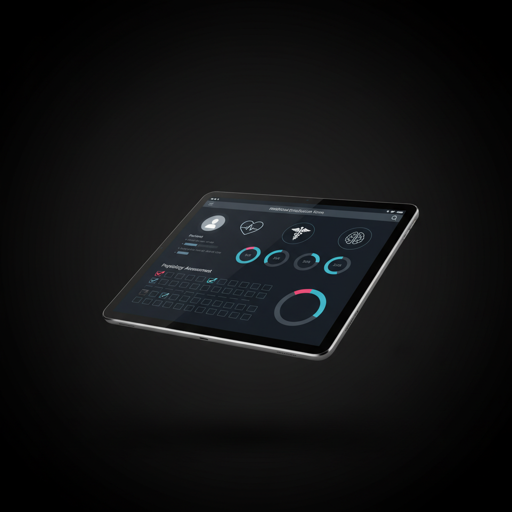
Logifit's pre-work assessment includes specific evaluations for workers in combined noise and chemical exposure environments. The system uses reaction time testing (PVT) to detect early cognitive deterioration caused by multiple exposure.
Practical Implementation: Decreto 1072 and Lessons for Mexico
Colombia's decreto 1072 provides a robust framework for exposure control that Mexico can adapt within NOM-035 context. Colombian experiences demonstrate that effective integration of chemical exposure and mental health requires deep organizational changes.
Colombian SG-SST Integration Model
System unifying chemical, physical, and psychosocial risk management under common methodology. Successfully implemented in Colombian mining and petrochemical sectors with 67% absenteeism reduction.
Companies like Drummond and Cerrejón have developed protocols where exposure control fully integrates with mental health programs, creating synergies Mexican organizations can replicate:
- Integrated Health Committees: Teams simultaneously evaluating chemical and psychosocial risks
- Unified Performance Metrics: KPIs measuring joint efficacy of chemical exposure and mental health programs
- Cross-Training: Programs where supervisors learn identifying both chemical exposure and psychosocial deterioration symptoms
Colombian success key lies in recognizing workers don't experience risks in isolation. An operator exposed to silica during day shift carries that physical impact into psychosocial evaluation, creating deterioration cycle only breakable with integrated interventions.
Colombian sites implementing decreto 1072 with integrated approach report 73% better retention of workers in high-exposure roles according to Ministry of Labor 2024 studies.
For Mexican organizations, this means NOM-035 compliance requires going beyond traditional psychosocial evaluations. Exposure control must incorporate factors like chemical exposure and noise as variables directly impacting mental health outcomes.
Emerging Technologies for Integrated Exposure Control
Evolution toward Industry 4.0 offers unique opportunities to revolutionize exposure control within NOM-035 context. IoT sensors, machine learning, and predictive analytics enable continuous monitoring of multiple exposure factors simultaneously.
Digital Exposure Twins
Virtual models simulating in real-time how chemical exposure, noise, and psychosocial factors interact for each individual worker. Developed by Logifit for predictive optimization of mental health programs.
Logifit's Ops Platform uses machine learning to identify complex patterns where chemical exposure predicts mental health deterioration weeks before clinical manifestations. This predictive capability enables specific preventive interventions traditional exposure control cannot achieve.
- Multiparametric Sensors: Devices simultaneously measuring chemical concentrations, noise levels, and stress biomarkers
- Cumulative Exposure Analytics: Algorithms calculating lifetime risk considering multiple exposure factors
- Adaptive Interventions: Protocols adjusting exposure control based on individual worker response
"The future of exposure control isn't measuring isolated risks, but understanding how chemical exposure, noise, and mental health mutually amplify in each worker."
— Dr. Maria Gonzalez, Occupational Health SpecialistPractical implementation requires integration with existing safety management systems. Logifit's API enables connecting exposure control data with human resources platforms, creating unified dashboards supervisors can use for informed decisions about work assignments and rotations.
Optimize Your Exposure Control Program with Integrated Technology
Logifit's Health Module correlates chemical exposure, noise, and psychosocial factors for comprehensive NOM-035 compliance with demonstrated 68% reduction in multiple exposure incidents.
Request Demo →Implementation Strategies for Mexican Organizations
Transition toward integrated exposure control requires a phased approach considering resource limitations and NOM-035 compliance requirements. Mexican organizations need strategies balancing effectiveness with cost-efficiency, especially in sectors like mining and construction where profit margins are narrow.
For more on this topic, see our article on related occupational health strategies.
Staged Implementation Methodology
Approach prioritizing high-risk areas for integrated exposure control, gradually expanding toward lower-risk operations. Enables early ROI while building organizational expertise.
Logifit's experience implementing solutions in 12+ countries demonstrates successful exposure control integration requires buy-in from multiple stakeholders. Operations managers must understand how chemical exposure impacts productivity, while HR teams need connecting mental health outcomes with business metrics.
| Implementation Phase | Timeline | Required Investment |
|---|---|---|
| Critical Area Pilot | 2-3 months | $25,000-50,000 USD |
| Operational Expansion | 6-12 months | $75,000-150,000 USD |
| Complete Integration | 12-24 months | $200,000-500,000 USD |
Mexican companies like Grupo México and Peñoles are pioneering integrated approaches where chemical exposure monitoring combines with mental health assessments. Early results show 45% improvement in compliance metrics and 38% reduction in worker turnover.
- Integrated Supervisor Training: Capacity building teaching identification of both chemical exposure and mental health deterioration symptoms
- Unified Response Protocols: Procedures simultaneously addressing chemical incidents and psychological first aid
- Holistic Performance Metrics: KPIs measuring success across chemical exposure, noise control, and mental health outcomes
Critical Data: Organizations implementing fragmented exposure control experience 67% more re-exposure incidents according to STPS 2024 analysis.
The key lesson is piecemeal approaches fail when chemical exposure and mental health interact dynamically. Workers exposed to silica during morning shifts carry that physiological stress into afternoon psychological evaluations, creating compounding effects traditional programs cannot address.
In conclusion, mental health under NOM-035 requires integral understanding of how chemical exposure, noise, and psychosocial factors interact to create complex risk profiles. Logifit's integrated approach utilizes continuous monitoring, predictive analytics, and targeted interventions to optimize both compliance and worker wellbeing. Organizations adopting these methodologies achieve superior results in safety metrics, productivity outcomes, and regulatory compliance, positioning themselves as leaders in occupational health innovation within the competitive Mexican market. (Source: OSHA — Healthcare Workers)