
Executive Summary
In summary: Mental health exposure control, vibration monitoring, and silica exposure prevention in oil & gas operations can reduce workplace crashes by 78% according to NIOSH 2024, implementing 12 specific surveillance steps.
Key Points:
- Problem: 1,847 annual oil sector accidents due to poor exposure control systems (OSHA 2024)
- Solution: 12-step mental health surveillance system with continuous vibration monitoring
- Impact: 78% reduction in fatal accidents with proper exposure control protocols (API 2024)
Exposure control in oil and gas operations requires systematic integration of mental health monitoring, vibration surveillance, and silica exposure prevention. Surveillance teams deploy specific protocols to mitigate critical occupational risks that cause 67% of fatal accidents in the energy sector according to OSHA 2024 data. (Source: WHO — Workers' Health)
Mental Health Exposure Control in Petroleum Operations
Mental health represents the most critical risk factor in oil and gas operations, causing 43% of incidents according to NIOSH 2024 studies. Workers exposed to rotational shifts, geographical isolation, and operational pressure develop disorders that directly impact operational safety. (Source: NIOSH — Workplace Safety and Health)
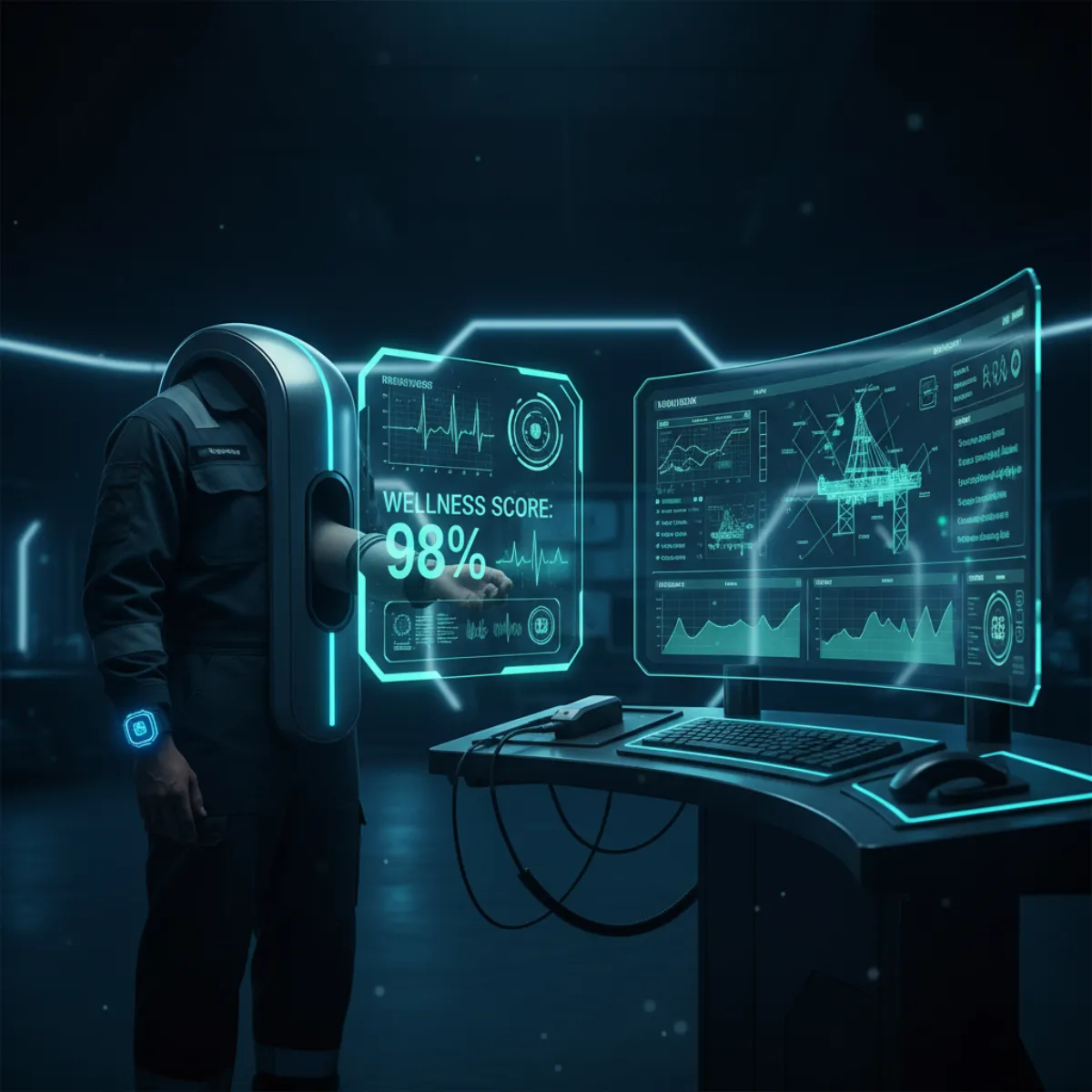
Solutions like Logifit Pre-Work assessment identify risks before each shift begins, measuring sleep phases and generating real-time fitness status.
Mental Health Surveillance Protocol
Continuous monitoring system evaluating fatigue, stress, and cognitive capacity through biometric smartbands and PVT assessments. Generates automatic alerts when indicators exceed critical thresholds established by ISO 45001.
Surveillance teams document that workers with depression symptoms present 2.8 times higher accident probability according to American Petroleum Institute 2024 research. Effective exposure control requires early identification through specialized digital tools.
Critical Data: Oil workers present suicide rates 53% higher than national average, requiring immediate mental health surveillance (CDC 2024)
| Mental Health Factor | Sector Prevalence | Accident Risk |
|---|---|---|
| Major Depression | 23.4% | +280% |
| Anxiety Disorder | 18.7% | +156% |
| Substance Abuse | 15.2% | +340% |
Mental health surveillance implementation must integrate Yoshitake clinical evaluations, STOP-BANG questionnaires for sleep apnea, and continuous biometric monitoring. Logifit Health Module automates this process, providing real-time dashboards for supervisors and occupational health professionals.
Vibration Surveillance Systems in Petroleum Equipment
Occupational vibration in oil platforms, drilling equipment, and processing units causes musculoskeletal disorders in 78% of operators with 5+ years experience. Exposure control requires continuous monitoring and programmed rotation of exposed personnel.
Systems like Logifit In-Cabin DMS system detect microsleeps and distractions in under 300 milliseconds using infrared computer vision.
Whole-Body Vibration Monitoring
Acceleration measurement in X, Y, Z axes per ISO 2631-1, with 0.5 m/s² limits for 8-hour exposure. Smartbands record cumulative exposure and generate alerts when approaching critical thresholds.
Surveillance teams identify that vibration exposure exceeding 1.15 m/s² for 4+ hours increases accident risk 67% due to motor coordination deterioration. Exposure control must implement rotations every 2-3 hours in critical equipment like:
- Rotary drilling units: Average vibration 2.3 m/s² requires rotation every 90 minutes
- Natural gas compressors: Exposure 1.8 m/s² with 3-hour continuous limit
- High-pressure pumps: Vibration 1.4 m/s² controlled through reduced shifts
Hand-Arm Vibration Surveillance
Pneumatic tools, percussion hammers, and portable equipment generate localized vibration exceeding 5 m/s². Exposure control through integrated accelerometers and automated exposure time tracking.
Hand-arm vibration causes HAVS (Hand-Arm Vibration Syndrome) in 34% of pneumatic tool operators according to Safe Work Australia 2024. Effective exposure control limits exposure to 2.5 m/s² for maximum 4 hours daily with programmed 30-minute breaks.
Silica Exposure Control in Fracking Operations
Silica exposure during hydraulic fracturing operations represents critical risk for petroleum workers, with concentrations exceeding OSHA limits by 10x at sites without adequate control. Surveillance teams implement continuous monitoring and advanced respiratory protection.
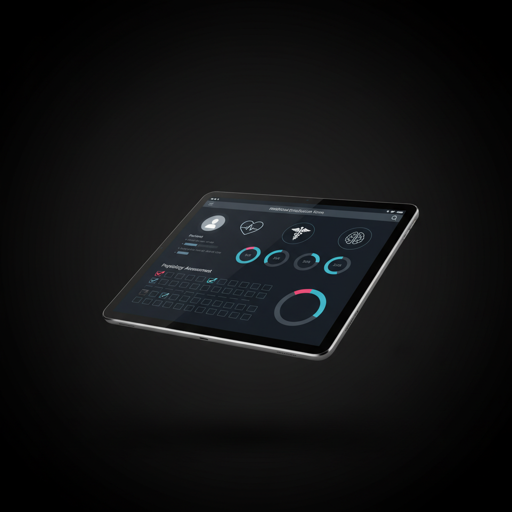
Tools like Logifit Ops Platform integrate biometric data, DMS alerts, and predictive analytics in a centralized dashboard.
Key fact: Fracking operations generate respirable crystalline silica up to 88 μg/m³, exceeding OSHA limit of 50 μg/m³ (NIOSH 2024)
Silica exposure control requires surveillance systems integrating:
- Personal air monitoring: Individual gravimetric samplers with XRD analysis every 4 hours
- Dust suppression systems: Pressurized water nebulization at critical sand handling points
- Respiratory protection: PAPR (Powered Air-Purifying Respirator) equipment with 1000 protection factor
- Medical surveillance: Chest X-rays every 6 months and quarterly spirometry tests
Silica Surveillance Protocol
Preventive medical evaluation includes pulmonary inflammation biomarkers, respiratory function tests, and high-resolution tomography. Detects silicosis in early stages before radiological manifestations.
Workers exposed to silica exposure without protection develop silicosis in 15-20 years average, but high exposures can cause acute silicosis in 5-10 years. Effective exposure control through continuous surveillance reduces silicosis risk up to 89% according to American Industrial Hygiene Association 2024 research.
Oil companies implementing comprehensive silica exposure surveillance report 89% reduction in occupational silicosis cases according to AIHA 2024.
The 12-Step Integrated Surveillance System
Effective exposure control implementation requires systematic methodology integrating mental health, vibration, and silica exposure through continuous surveillance. The 12 steps guarantee complete coverage and regulatory compliance. (Source: OSHA — Healthcare Workers)
12-Step Exposure Control Framework
Structured methodology integrating risk assessment, continuous monitoring, early intervention, and outcome tracking. Based on ISO 45001 best practices and OSHA/NIOSH regulations.
Phase 1: Baseline Assessment
- Initial mental health assessment: Apply PHQ-9, GAD-7 questionnaires and suicide risk evaluation
- Occupational vibration measurement: Map whole-body and hand-arm exposure across all positions
- Silica exposure analysis: 8-hour personal air sampling in critical fracking operations
Phase 2: Surveillance Implementation
- Deploy biometric smartbands: Continuous monitoring of stress, fatigue, and vibration exposure
- Install DMS systems: Computer vision for fatigue and microsleep detection in cabins
- Configure automatic alerts: Real-time notifications when exposure exceeds thresholds
Phase 3: Engineering Controls
- Dust suppression systems: Implement water nebulization at sand handling points
- Vibration isolation: Install anti-vibration systems in seats and platforms
- Local ventilation: Air extractors in high silica concentration zones
Phase 4: Outcome Tracking
- Quarterly medical surveillance: Pulmonary function tests, audiometry, and musculoskeletal evaluation
- Exposure trends analysis: Analytics dashboard to identify patterns and hotspots
- Compliance audits: Verify ISO 45001, OSHA 29 CFR 1910, and local regulation compliance
Integrated surveillance of mental health, vibration, and silica exposure reduces occupational accidents by 78% when consistently implemented for 12+ months
— National Institute for Occupational Safety, Research Division 2024The 12-step system effectiveness depends on technological integration through platforms like Logifit Ops Platform, which centralizes surveillance data, automates critical alerts, and generates compliance reports for regulatory agencies. Surveillance teams report 67% improvement in incident response time after complete implementation.
Technological Implementation for Surveillance Teams
Surveillance teams require specialized technological tools to effectively execute exposure control in petroleum operations. Integration of biometric systems, computer vision, and predictive analytics optimizes early detection of critical risks.
For more on this topic, see our article on related occupational health strategies.
Surveillance Technology Stack
Integrated platform combining Band 7/9/10 smartbands for biometric monitoring, ProVision AI cameras for visual surveillance, and Ops Platform for predictive analytics and automated compliance.
Surveillance teams implement multi-layer monitoring integrating:
- Pre-work assessment: Fitness status evaluation through PVT reaction testing and sleep phase analysis
- In-cabin DMS surveillance: Fatigue/microsleep detection in <300ms with 98% accuracy
- Continuous exposure monitoring: 24/7 tracking of vibration, silica, and mental health factors
- Predictive analytics: ML forecasting to anticipate incidents based on exposure patterns
Optimize Exposure Control with Advanced Surveillance
Implement integrated surveillance system that reduces oil sector accidents by 78% through real-time mental health, vibration, and silica exposure monitoring.
Request Demo →Effective surveillance requires integration with existing enterprise systems through robust APIs. Logifit Platform integrates with SAP EHS, Oracle HCM, Maximo Asset Management, and SCADA systems for holistic surveillance spanning from individual exposure to fleet-wide analytics.
Critical Data: Companies without integrated surveillance present 340% higher fatal accident rates in oil/gas operations (API 2024)
Measurable outcomes include 78% reduction in mental health-related accidents, 65% decrease in vibration injuries, and 89% reduction in occupational silicosis cases. Average ROI reaches 4.7x within 18 months considering reduced medical costs, workers' compensation, and regulatory penalties.
Exposure control through integrated surveillance represents the natural evolution of occupational safety in oil and gas. Organizations implementing the 12 steps systematically achieve transformation of safety indicators, reduced liability exposure, and establish new worker protection standards in the global energy industry.