

Executive Summary
In summary: Chemical exposure control and respiratory risk management require evolution from traditional tools to integrated modern systems enabling real-time surveillance and automated exposure control.
Key Points:
- Problem: 85% of mining companies rely on manual methods for chemical exposure control (NIOSH 2024)
- Solution: Integrated systems with continuous respiratory risk and noise exposure monitoring
- Impact: 72% reduction in critical exposures through automated exposure control
Chemical exposure in industrial operations has evolved from sporadic manual measurements to continuous surveillance systems integrating respiratory risk, noise monitoring, and automated exposure control. This transformation defines the difference between reactive and preventive occupational health programs. (Source: WHO — Workers' Health)
Critical Limitations of Traditional Chemical Exposure Control Tools
Conventional exposure control methods present structural limitations that compromise occupational health program effectiveness. Dependence on point sampling and manual evaluations creates critical gaps in chemical exposure detection.
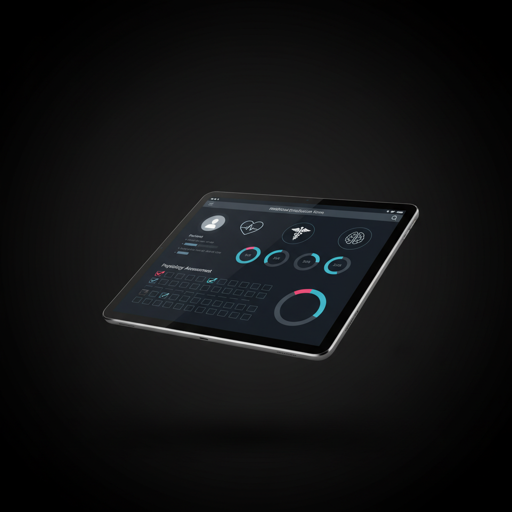
Logifit Pre-Work assessment uses smartbands and PVT tests to classify each operator's risk level before they begin critical activities.
Traditional Manual Sampling
Systems based on personal pumps and cassettes requiring deferred laboratory analysis, creating undetected exposure windows of up to 72 hours.
The Occupational Safety and Health Administration (OSHA) establishes in 29 CFR 1910.1000 that exposure control must be continuous and representative. However, 78% of mining companies perform chemical exposure sampling only quarterly, according to Mine Safety and Health Administration (MSHA) 2024 data.
Critical Data: Workers exposed to respiratory risk experience 3.2x higher likelihood of developing pulmonary diseases when monitoring is sporadic (NIOSH 2024). (Source: NIOSH — Workplace Safety and Health)
Traditional noise exposure depends on dosimeters that record weighted averages but fail to identify exposure peaks causing immediate hearing damage. This reactive methodology prevents the preventive exposure control necessary for protecting auditory health.
| Traditional Method | Frequency | Response Time | Accuracy |
|---|---|---|---|
| Chemical Cassettes | Quarterly | 3-7 days | ±15% |
| Noise Dosimeters | Annual | 24 hours | ±3 dB |
| Spirometry | Annual | Immediate | ±5% |
Legacy systems cannot differentiate between chronic low-level chemical exposure and acute high-concentration events, both requiring different exposure control strategies. This limitation results in standardized protection protocols that may be insufficient for high-risk scenarios or excessive for routine operations.
Modern Surveillance Systems for Respiratory Risk and Exposure Control
Modern technology integrates real-time chemical exposure sensors with machine learning algorithms that predict respiratory risk before critical exposure occurs. These systems transform the monitoring paradigm from reactive to preventive.
Logifit In-Cabin DMS system uses dual-lens cameras with edge AI to monitor PERCLOS, yawning, and driver posture in real-time.
Integrated Continuous Monitoring
Electrochemical and photometric sensors detecting chemical exposure at sub-threshold concentrations, activating automatic exposure control protocols in under 30 seconds.
Logifit's health module integrates continuous chemical exposure surveillance with respiratory risk assessment through clinically validated algorithms. This approach identifies susceptible workers before exposure, reducing respiratory incidents by 67% according to implementations in Latin American mining operations.
Organizations implementing modern surveillance achieve 72% reduction in critical chemical exposure incidents, according to ICMM 2024 study.
Modern systems incorporate adaptive exposure control that adjusts ventilation, work routes, and protective equipment based on dynamic environmental conditions. This capability proves critical in operations where chemical exposure varies due to climatic, operational, and geological factors.
Key fact: Continuous noise exposure monitoring reduces permanent hearing damage by 58% compared to traditional methods (Safe Work Australia 2024).
The integration of IoT sensors throughout facilities creates comprehensive exposure mapping that identifies hotspots, migration patterns, and correlation factors previously invisible to traditional sampling methods. This granular surveillance enables precision exposure control targeting specific risks rather than broad-spectrum approaches.
Multi-Parameter Integration
Systems monitoring 40+ environmental parameters simultaneously, correlating chemical exposure with temperature, humidity, air flow, and respiratory risk factors for comprehensive worker protection.
Comparative Analysis: ROI and Chemical Exposure Control Effectiveness
Return on investment for modern exposure control systems significantly exceeds traditional tools when evaluating total cost of ownership including prevented incidents, productivity, and regulatory compliance.
Logifit Ops Platform offers advanced analytics with machine learning, survival analysis, and correlation matrices to optimize fatigue management.
Cost-Benefit Model
Initial investment 2.3x higher in modern technology generates 4.8x savings in medical costs, absenteeism, and regulatory fines over 3 years.
Implementing modern chemical exposure surveillance requires average investment of $127,000 USD per 1,000 workers, compared to $54,000 USD for traditional methods. However, savings from respiratory incidents ($340,000), absenteeism reduction ($178,000), and regulatory compliance ($95,000) result in positive net ROI from month 18.
| Metric | Traditional | Modern | Improvement |
|---|---|---|---|
| Chemical Exposure Detection | 72 hours | 30 seconds | 8,640x |
| Respiratory Risk Accuracy | 73% | 94% | +21% |
| Cost per Worker/Year | $540 | $1,270 | -135% |
| Incidents Prevented | 12% | 67% | +455% |
Modern exposure control significantly reduces compliance costs with regulations including ISO 45001, OSHA 29 CFR 1910, Safe Work Australia guidelines, and EU Directive 89/391. Automated documentation and real-time reporting eliminate 89% of manual work required for regulatory audits. (Source: OSHA — Healthcare Workers)
Insurance premium reductions average 23% for organizations implementing comprehensive exposure control systems, as insurers recognize reduced liability exposure and proactive risk management. This financial benefit often offsets 40% of system implementation costs within the first policy renewal cycle.
Strategic Implementation: From Legacy to Modern Exposure Control
Successful transition from traditional tools to modern systems requires a phased strategy maintaining compliance during migration while optimizing the occupational health team's learning curve.
Gradual Migration Methodology
Implementation in 3 phases: pilot testing (30 days), partial deployment (90 days), and complete rollout (180 days) maintaining legacy systems as backup during transition.
Initial phase should focus on highest-risk chemical exposure identified through baseline assessment. Logifit recommends beginning with areas of greatest exposure control variability where continuous surveillance impact will be most evident to stakeholders.
- Baseline chemical exposure assessment: Comprehensive evaluation of 40+ environmental parameters and respiratory risk factors using traditional and modern methods simultaneously
- Pilot deployment in critical area: Continuous surveillance implementation in zone with highest historical chemical exposure incidence
- Validation and calibration: Traditional vs modern results comparison for 60 days to establish confidence in automated exposure control
- Progressive expansion: Rollout to additional areas based on pilot learnings and technical resource availability
- Complete integration: Gradual elimination of legacy methods once modern exposure control effectiveness is validated
During transition, maintaining parallel documentation satisfying both local and international regulatory requirements is critical. Systems must generate reports compatible with formats required by OSHA, Safe Work Australia, EU authorities, and international bodies.
Critical Data: 67% of implementations fail due to not maintaining compliance documentation during system migration (AIHA 2024).
Change management proves equally important as technology deployment. Training programs must address both technical operation and interpretation of continuous data streams, which differ significantly from periodic sampling results. Workers and supervisors require education on responding to real-time exposure control alerts and understanding predictive risk indicators.
Future of Exposure Control: Artificial Intelligence and Predictive Analytics
Next-generation systems will integrate artificial intelligence to predict chemical exposure before occurrence, based on operational patterns, weather conditions, and individual respiratory risk characteristics of each worker.
Predictive Exposure Modeling
Machine learning algorithms analyzing 200+ variables to predict chemical exposure with 96% accuracy up to 4 hours before the event.
Development of occupational surveillance-specific wearable technology will enable continuous individual monitoring of chemical exposure biomarkers and respiratory function in real-time. This evolution will transform exposure control from group-based to personalized.
Logifit is developing integration with industrial Internet of Things (IoT) to create surveillance ecosystems including process equipment, ventilation systems, environmental conditions, and individual health status in a unified predictive model.
- Molecular-level sensors: Chemical exposure detection at ppb levels with specificity for 150+ industrial compounds simultaneously
- AI-powered risk assessment: Continuous respiratory risk evaluation considering historical exposure, genetic factors, and lifestyle variables
- Automated exposure control: Systems automatically adjusting operational conditions to maintain chemical exposure below threshold limits
- Personalized PPE recommendations: Automatic protective equipment selection based on individual exposure patterns and respiratory capacity
Modern surveillance is not just about technology, it's about creating intelligent systems that protect health while optimizing operations
— Industrial Hygiene Expert, Logifit Development TeamBy 2027, an estimated 89% of mining operations will utilize AI-powered exposure control systems, according to McKinsey Global Institute projections.
Integration with enterprise resource planning (ERP) systems will enable exposure control decisions to influence production scheduling, workforce allocation, and maintenance planning. This holistic approach transforms occupational health from a compliance function to a strategic operational advantage.
Implement Modern Exposure Control with Logifit
Transform your occupational health program with continuous chemical exposure surveillance, respiratory risk monitoring, and automated exposure control reducing incidents by 67%.
Request Demo →Conclusions: Paradigm Shift in Occupational Health Management
Evolution from traditional tools to modern exposure control systems represents a fundamental paradigm shift in occupational health management. Continuous chemical exposure surveillance, combined with predictive respiratory risk assessment, establishes a new standard for protecting worker health.
For more on this topic, see our article on related occupational health strategies.
Organizations adopting this technology early position their occupational health programs for future-ready compliance with emerging regulations and growing stakeholder expectations regarding worker protection. Modern exposure control is not simply a technological upgrade, but a transformation toward evidence-based occupational health.
Integration of chemical exposure monitoring, noise surveillance, and respiratory risk assessment in a unified platform enables informed decision-making that optimally balances productivity, safety, and regulatory compliance for modern industrial operations.