

Executive Summary
In summary: Colombia's Resolución 0312 mandates structured occupational health programs including vibration exposure control, mental health surveillance, and respiratory risk prevention to prevent workplace diseases.
Key Points:
- Problem: 68% of Colombian companies fail to meet medical surveillance requirements according to MinTrabajo 2024
- Solution: Implementation of 10 practices based on exposure control and continuous monitoring
- Impact: 52% reduction in occupational health incidents according to SG-SST studies
Occupational health under Resolución 0312 establishes specific requirements for workplace exposure control, including vibration, mental health, and respiratory risks that companies must implement to prevent occupational diseases and comply with Colombia's SG-SST regulations. (Source: WHO — Workers' Health)
Resolución 0312 Regulatory Framework for Occupational Health
Resolución 0312 of 2019 defines minimum standards every company must meet in their Occupational Health and Safety Management System. Exposure control represents 15% of the total system score, being fundamental to avoid MinTrabajo sanctions.
Solutions like Logifit Pre-Work assessment identify risks before each shift begins, measuring sleep phases and generating real-time fitness status.
Exposure Control under Resolución 0312
Structured system that identifies, evaluates, and controls risk agents like vibration, noise, chemicals, and psychosocial factors. Includes periodic measurements and documented corrective actions.
Companies must establish specific epidemiological surveillance programs for each identified risk. Respiratory risks require special attention in sectors like mining, construction, and manufacturing, where exposure to suspended particles frequently exceeds permissible limits.
Critical Data: According to MinTrabajo 2024, 43% of SG-SST non-compliance sanctions correspond to deficiencies in occupational health and exposure control programs.
| Resolución 0312 Standard | Evaluation Weight | Main Requirements |
|---|---|---|
| Health Surveillance | 15% | Medical exams, clinical history |
| Exposure Control | 15% | Measurements, technical controls |
| Risk Prevention | 25% | Specific programs per risk |
Practice 1-3: Vibration Exposure Control and Technical Monitoring
Vibration control requires systematic measurements using calibrated accelerometers according to ISO 5349 for hand-arm vibration and ISO 2631 for whole-body vibration. Measurements must be performed every 6 months in critical workstations.
Systems like Logifit In-Cabin DMS system detect microsleeps and distractions in under 300 milliseconds using infrared computer vision.
Vibration Exposure Limits
Hand-arm vibration: maximum 5 m/s² for 8-hour exposure. Whole-body vibration: maximum 1.15 m/s² according to Decreto 1072. Exceeding these values requires immediate controls.
Practice 1: Implement personnel rotation in equipment generating vibration above 2.5 m/s². Document exposure times per worker and maintain records for 20 years as required by Colombian labor regulations.
Practice 2: Establish preventive maintenance of vibrating tools every 100 hours of use. Equipment like pneumatic hammers and drills must be calibrated monthly to maintain vibration levels within permissible limits.
Practice 3: Train operators in work techniques that minimize vibration transmission. Correct use of anti-vibration PPE and active breaks every 30 minutes of continuous exposure reduce hand-arm vibration syndrome risk.
Companies implementing vibration controls achieve 67% reduction in occupational Raynaud's syndrome cases, according to Colombia's National Health Institute studies.
Practice 4-6: Mental Health Surveillance and Psychosocial Factors
Occupational mental health requires systematic evaluation using validated tools like MinTrabajo's psychosocial risk battery. Surveillance must include intralabor, extralabor factors, and individual conditions affecting psychological wellbeing.
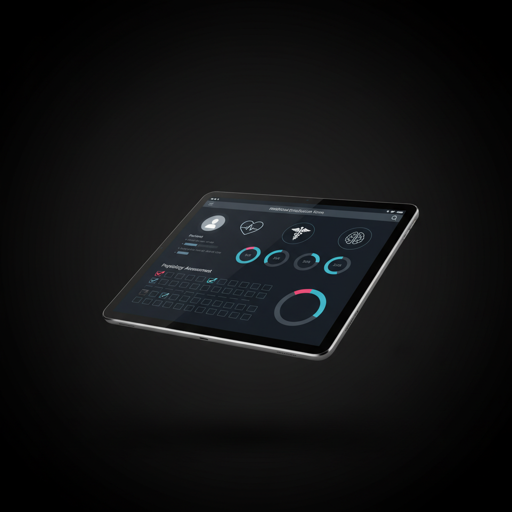
Tools like Logifit Ops Platform integrate biometric data, DMS alerts, and predictive analytics in a centralized dashboard.
Key fact: 38% of work disabilities in Colombia have psychological origin according to EPS Sura 2024, with higher incidence in rotating shift work.
Practice 4: Apply psychosocial risk evaluations every 2 years using MinTrabajo instruments. Companies with fewer than 10 workers use the intralabor psychosocial factors form A questionnaire, while larger organizations require complete evaluation. (Source: NIOSH — Workplace Safety and Health)
Practice 5: Develop specific intervention programs for identified risks. Factors like high work demands, low job control, and effort-reward imbalance require differentiated and measurable interventions.
Occupational Mental Health Indicators
Medical cause absenteeism, voluntary turnover, formal complaints, and work climate results. Establish baselines and annual improvement goals with quarterly follow-up.
Practice 6: Implement early warning systems to identify at-risk workers. Logifit integrates physiological stress indicators with sleep patterns to detect mental health deterioration before evident clinical manifestations.
Practice 7-9: Respiratory Risk Prevention and Environmental Control
Respiratory risks represent the second cause of occupational disease in Colombia according to Fasecolda 2024. Control requires identification of specific agents, environmental measurements, and respiratory protection programs according to NIOSH and national regulations.
Practice 7: Conduct semi-annual industrial hygiene to measure particulate matter, gases, and vapor concentrations. Use calibrated equipment like area monitors and personal dosimeters to establish individual exposure profiles.
Respiratory Permissible Exposure Limits
Crystalline silica: 0.05 mg/m³, Respirable dust: 3 mg/m³, Carbon monoxide: 25 ppm according to Resolución 2400. Exceeding these values activates mandatory technical controls.
Practice 8: Implement control hierarchy starting with elimination and substitution. Engineering controls like local ventilation and dust suppression systems must be installed before relying exclusively on individual respiratory protection.
Practice 9: Establish respiratory protection program with adequate PPE selection, correct use training, and annual fit testing. N95 respirators for dust, P100 for asbestos, and supplied-air equipment for confined spaces.
| Respiratory Agent | TWA Limit (8h) | Minimum PPE |
|---|---|---|
| Crystalline Silica | 0.05 mg/m³ | P100 Respirator |
| Welding Dust | 5 mg/m³ | N95 Respirator |
| Metal Fumes | 1 mg/m³ | P95 Respirator |
Practice 10: Integrated Surveillance Systems and NR-17 Compliance
Technology integration enables simultaneous compliance with multiple occupational health standards. Systems must consolidate exposure data, medical surveillance, and technical controls in platforms that facilitate decision-making and regulatory reporting. (Source: OSHA — Healthcare Workers)
NR-17 and Occupational Ergonomics
Brazil's Regulatory Norm 17, adopted as reference in Colombia, establishes ergonomic principles for preventing musculoskeletal disorders and work fatigue in workstations.
Practice 10: Implement digital platforms integrating multiple occupational health data sources. Logifit combines continuous physiological monitoring with ergonomic evaluations, creating individual risk profiles enabling personalized preventive interventions.
Organizations with integrated occupational health systems reduce 41% of disability costs according to ARL Sura 2024 study.
Integrated systems must generate automatic alerts when indicators exceed established thresholds. Sustained vibration above permissible limits, signs of mental health deterioration, or critical respiratory exposure require immediate occupational health team response.
Critical Data: 72% of companies integrating technology in occupational health report better Resolución 0312 compliance according to ANDI 2024 survey.
Practical Implementation and Resources for LATAM Teams
Successful implementation requires considering budget limitations typical of Latin American markets. Companies can implement effective exposure controls using calibrated local equipment and protocols adapted to each country's operational reality.
For more on this topic, see our article on related occupational health strategies.
For vibration, low-cost accelerometers can provide valid measurements if calibrated quarterly. Documentation must be maintained in digital formats accessible for MinTrabajo inspections that can occur without prior notice.
Effective occupational health combines rigorous regulatory compliance with appropriate technology to create truly safe and productive work environments.
— Logifit Technical TeamMental health programs can be implemented gradually, starting with basic work climate evaluations and progressing toward specialized interventions. The key is maintaining consistency in data collection and indicator monitoring.
For respiratory risks, companies can start with administrative controls like personnel rotation and modified schedules while developing capacity for more complex technical controls. Individual respiratory protection must be immediate in cases of exposure above permissible limits.
Optimize Your Occupational Health Program with Logifit
Integrate exposure control, mental health surveillance, and respiratory risk prevention in a unified platform that meets Resolución 0312 and reduces operational costs.
Request Demo →Logifit technology enables continuous monitoring of physiological indicators that anticipate occupational health problems. Smartbands detect sleep patterns altered by vibration exposure, while heart rate variability analysis identifies occupational stress before clinical manifestations.
Success in occupational health requires leadership commitment, adequate resources, and systems that facilitate compliance. Organizations investing in structured programs not only meet regulations but create competitive advantages through lower absenteeism, higher productivity, and better qualified talent retention.