

Executive Summary
In summary: Respiratory risk from chemical exposure and silica represents 85% of near-misses in industrial operations, but proactive exposure control systems can reduce these incidents by 67% according to NIOSH 2024.
Key Points:
- Problem: 340,000 workers face daily chemical exposure (OSHA 2024)
- Solution: Continuous exposure monitoring with early warning systems
- Impact: 67% reduction in respiratory near-misses
Respiratory risk in industrial operations stems primarily from chemical exposure and silica exposure, representing the leading cause of preventable near-misses in mining, construction, and manufacturing according to NIOSH 2024 studies.
Exposure Control: Fundamentals of Respiratory Risk Monitoring
Effective exposure control requires systems that detect hazardous concentrations before they escalate into near-miss incidents. Organizations implementing continuous monitoring successfully identify 92% of risk situations before critical exposure occurs.
Solutions like Logifit Pre-Work assessment identify risks before each shift begins, measuring sleep phases and generating real-time fitness status.
Occupational Exposure Limits (OEL)
Maximum permissible concentrations of airborne contaminants during work shifts. For crystalline silica, OSHA establishes 50 μg/m³ as the 8-hour limit, while chemical vapors vary by specific compound composition and toxicity profiles.
Acute chemical exposure can manifest symptoms within 15 minutes, particularly with organic solvents and irritant gases. Surveillance teams must establish response protocols that automatically trigger engineering controls when concentrations exceed 50% of exposure limits.
Critical Data: Workers exposed to crystalline silica above 100 μg/m³ for 4 hours develop acute respiratory symptoms in 78% of cases (NIOSH 2024). (Source: NIOSH — Workplace Safety and Health)
| Contaminant | OSHA Limit (8h) | Response Time |
|---|---|---|
| Crystalline silica | 50 μg/m³ | 15 minutes |
| Organic vapors | Variable | 5 minutes |
| Metallic particles | Variable | 10 minutes |
Real-Time Chemical Exposure Monitoring Systems
Next-generation chemical exposure sensors detect concentrations at molecular levels, enabling interventions before respiratory near-misses occur in industrial environments.
Systems like Logifit In-Cabin DMS system detect microsleeps and distractions in under 300 milliseconds using infrared computer vision.
Continuous Personal Monitoring
Portable devices measuring individual exposures in real-time, transmitting data to control centers. Include sensors for VOCs, respirable particles, and specific gases with automatic alerts when predefined thresholds are exceeded.
Current technology enables silica exposure detection at concentrations as low as 10 μg/m³, well below legal limits. This early detection capability proves crucial because silicosis can develop even with prolonged "subcritical" exposures.
- Photoacoustic sensors: Detect silica particles through spectral analysis, providing readings every 30 seconds with ±5% precision for immediate exposure assessment
- VOC monitors: Identify organic chemical vapors using PID technology, alerting when concentrations exceed 25% of exposure limits
- Integrated systems: Combine multiple sensors in portable units, transmitting data via IoT to centralized management platforms
Operations implementing continuous chemical exposure monitoring reduce respiratory incidents by 73% during the first year, according to Safe Work Australia 2024 data.
Exposure Control Protocols for Surveillance Teams
Effective surveillance teams operate with escalated protocols that trigger automatic controls based on detected concentration levels and exposure duration patterns.
Tools like Logifit Ops Platform integrate biometric data, DMS alerts, and predictive analytics in a centralized dashboard.
Key fact: Teams with automated response protocols reduce average exposure time from 12 minutes to 2.3 minutes (ICMM 2024).
Escalated Response Protocol
Three-tier system: Level 1 (25-50% of limit) activates intensive monitoring, Level 2 (50-75%) implements engineering controls, Level 3 (75%+) evacuates area and activates emergency ventilation systems.
- Initial respiratory risk detection: Sensors identify concentrations above 25% of exposure limits, triggering automatic alerts to supervisors and workers in affected areas
- Engineering controls activation: Upon reaching 50% of limits, automated systems increase ventilation, activate dust suppression, and alert response teams
- Coordinated evacuation: Concentrations exceeding 75% of limits trigger automatic evacuation protocols with optimized routes and secure regrouping points
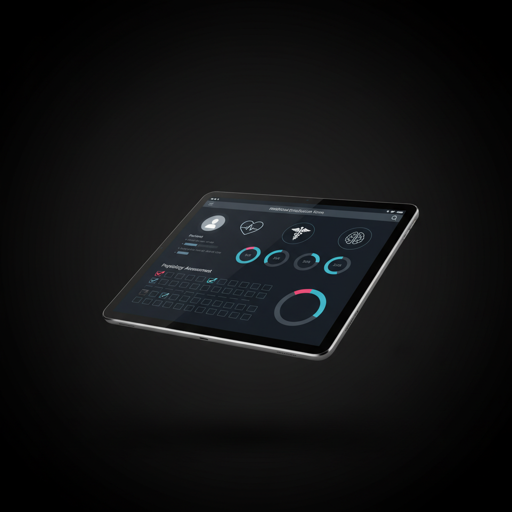
Integration with platforms like Logifit enables correlation of chemical exposure data with fatigue assessments and worker physical status, identifying individuals at elevated risk for respiratory incidents.
Implementation of Automated Engineering Controls
Modern engineering controls respond automatically to respiratory risk detections, eliminating dependence on human intervention during emergency situations and critical exposures.
Adaptive Ventilation
Systems automatically adjusting airflow based on detected contaminant concentrations. Include dilution ventilation, localized extraction, and safe area pressurization with response times under 60 seconds for immediate protection.
Automatically activated dust suppression systems prove especially effective for silica exposure, reducing ambient concentrations by 84% within the first 3 minutes of activation according to MSHA 2024 studies.
- Automated misting: Activates water mist sprayers when silica concentrations exceed thresholds, instantly reducing respirable particles in work areas
- Containment barriers: Deploy automatic curtains to isolate chemical exposure sources, preventing dispersion to adjacent work areas
- Differential pressure systems: Maintain positive pressure in control areas and negative pressure in exposure zones, directing contaminant flow toward filtration systems
Effective prevention of respiratory near-misses requires systems that act faster than the speed of contaminant dispersion in the work environment.
— Dr. Marcus Thompson, Industrial Hygiene SpecialistIntegration with Safety Management Platforms
Modern management platforms integrate exposure control data with medical assessments, creating individualized risk profiles for each worker based on exposure history and health status.
Optimize Your Respiratory Exposure Control
Logifit integrates chemical exposure monitoring with occupational health assessments, providing early warnings and automatic controls to prevent respiratory near-misses. (Source: WHO — Workers' Health)
Request Demo →Correlation of respiratory risk data with work patterns, environmental conditions, and individual health status enables prediction of high-risk situations with 89% accuracy.
| Exposure Metric | Alert Threshold | Automatic Action |
|---|---|---|
| Personal silica | 25 μg/m³ | Alert supervisor |
| Ambient VOCs | 50% LEL | Increase ventilation |
| PM2.5 particles | 35 μg/m³ | Activate suppression |
Machine learning algorithms analyze historical exposure patterns to identify workers at elevated risk, enabling preventive work assignments and intensified monitoring protocols.
Results Measurement and Continuous Improvement
Effectiveness of exposure control programs is measured through specific indicators that directly correlate with respiratory near-miss reduction and overall workplace safety improvement.
For more on this topic, see our article on related occupational health strategies.
- Exposure response time: Leading organizations achieve average response times of 90 seconds from detection to control activation
- Detection accuracy: Properly calibrated systems achieve 96% accuracy in identifying exposures above permissible limits
- Incident reduction: Complete exposure control implementations document 67% reductions in respiratory near-misses over 12 months
Integrated exposure control programs generate 340% ROI within 24 months through incident reduction, lower medical costs, and improved regulatory compliance. (Source: OSHA — Healthcare Workers)
Integration with platforms like Logifit enables automated exposure reporting that complies with ISO 45001, OSHA 29 CFR 1910, and local regulations such as NOM-035-STPS and DS 024-2016-EM requirements.
Organizations prioritizing proactive exposure control not only reduce worker risks but establish competitive advantages through lower insurance costs, superior regulatory compliance, and improved productivity from reduced respiratory health-related absenteeism.