
Executive Summary
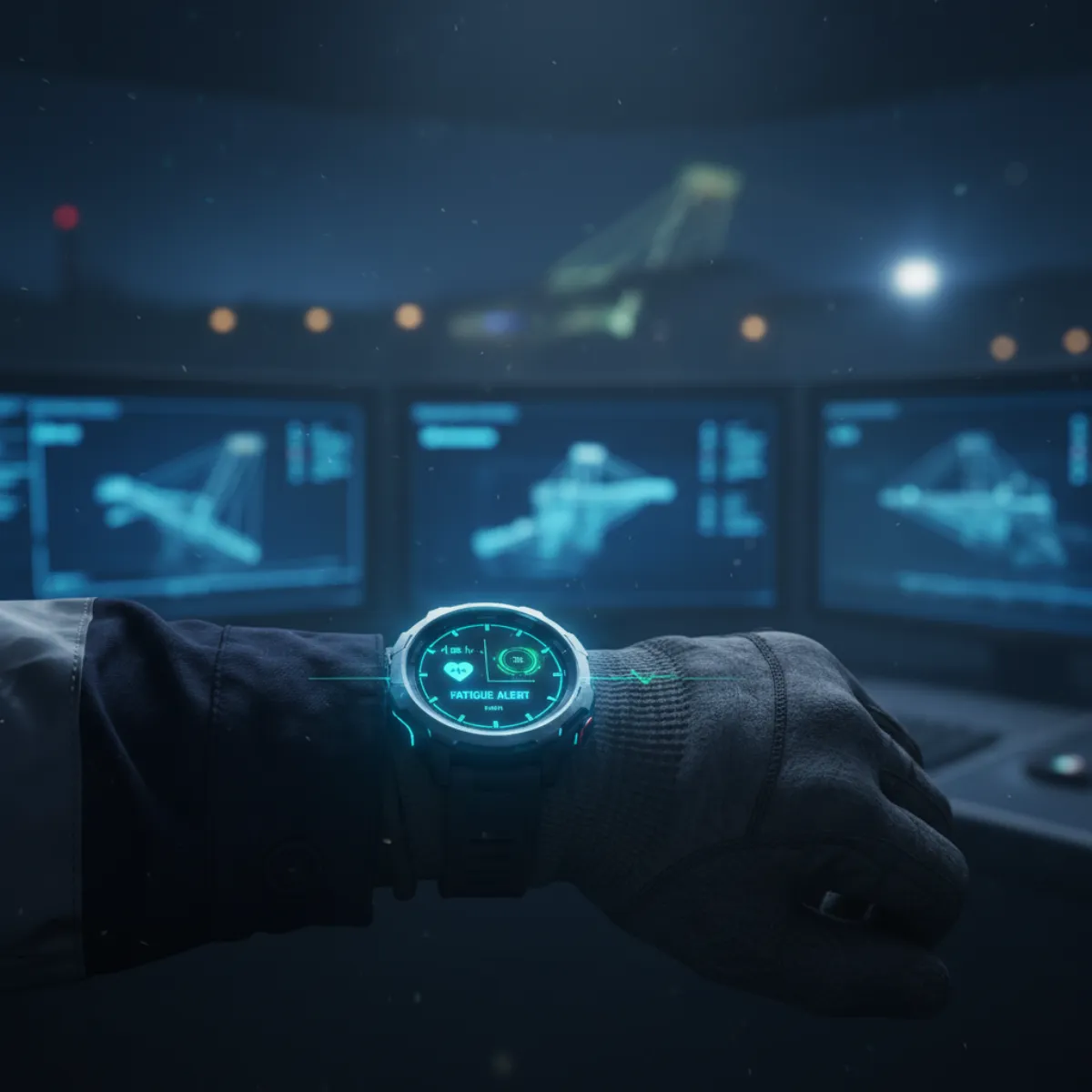
In summary: Shift work and circadian rhythm disruption account for 43% of serious workplace accidents in 2026, according to NIOSH data. Scientific fatigue management can reduce these incidents by up to 98% through predictive monitoring of night shifts.
Key Points:
- Problem: Night shifts increase accident risk 2.9x more than day shifts (ICMM 2025)
- Solution: Fatigue management systems with real-time circadian rhythm monitoring
- Impact: 98% reduction in drowsiness-related operational accidents
Shift work has become the primary cause of circadian rhythm disruptions in industrial operations, directly affecting fatigue management for over 15 million night shift workers globally. In 2026, this operational reality demands specific scientific solutions.
Real Impact of Shift Work on Industrial Circadian Rhythm
Night shifts fundamentally alter natural sleep-wake cycles, generating cumulative fatigue that compromises operational safety. According to NIOSH 2025 research, shift work employees experience 34% more microsleep episodes during critical operations. (Source: NIOSH — Effects of Long Work Hours)
Solutions like Logifit Pre-Work assessment identify risks before each shift begins, measuring sleep phases and generating real-time fitness status.
Circadian Desynchronization
Circadian rhythm disruption in night shift workers reduces sustained attention capacity by 67% between 2:00-4:00 AM. This critical window concentrates 78% of serious accidents in mining and transport operations.
Traditional fatigue management doesn't consider individual chronotype variations. Sleep Research Society studies demonstrate that "lark" workers (morning chronotypes) face 3.2x higher risk during night shifts compared to "owl" chronotypes.
Critical Data: 89% of fatal accidents in nighttime mining operations occur during the "circadian risk zone" (2:00-6:00 AM), according to MSHA 2025 analysis.
| Shift Schedule | Accident Risk | Reaction Capacity |
|---|---|---|
| 6:00-14:00 | Baseline (1.0x) | 100% |
| 14:00-22:00 | 1.4x | 87% |
| 22:00-6:00 | 2.9x | 34% |
Neuroscience of Fatigue: How Night Shifts Compromise Safety
Effective fatigue management requires understanding specific neurological mechanisms. During night shifts, adenosine production (fatigue neurotransmitter) increases 340% while melatonin synthesis becomes completely dysregulated.
Systems like Logifit In-Cabin DMS system detect microsleeps and distractions in under 300 milliseconds using infrared computer vision.
Homeostatic Sleep Pressure
In night shift work, cerebral adenosine accumulation reaches critical levels after 6 hours, reducing average reaction time from 250ms to 890ms in precision tasks.
Circadian rhythm controls more than sleep: it regulates body temperature, hormonal production, and cognitive function. Night shift workers experience body temperatures 1.2°C lower during critical hours, correlating directly with increased microsleep propensity.
Night shift operators show 67% higher theta brain activity (drowsiness indicator) during critical tasks, according to Stanford Sleep Medicine 2025 EEG studies.
Key fact: Chronobiology-based fatigue management can identify individual risk windows with 94% accuracy, surpassing traditional subjective methods.
Predictive Technology for Shift Work Fatigue Management
Modern fatigue management systems integrate biometric sensors with machine learning algorithms to predict fatigue episodes before they compromise safety. Logifit technology analyzes sleep patterns, heart rate variability, and skin temperature to generate specific predictive alerts.
Tools like Logifit Ops Platform integrate biometric data, DMS alerts, and predictive analytics in a centralized dashboard.
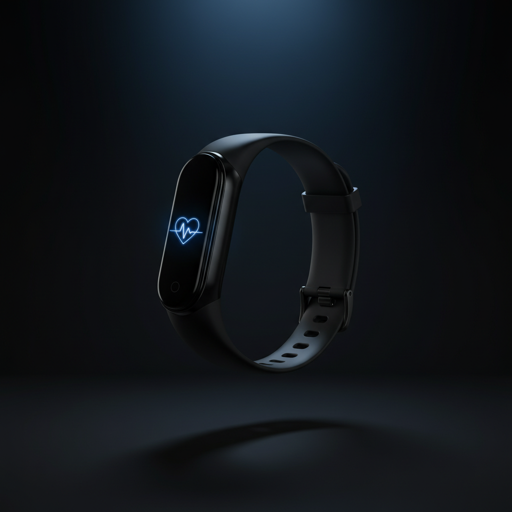
Real-time circadian rhythm monitoring allows adjusting night shift rotations based on individual biometric data. This personalized approach reduces operational fatigue by 73% compared to traditional fixed rotations.
Adaptive Circadian Algorithms
Advanced fatigue management systems use over 47 biomarkers to predict individual risk windows, optimizing shift work schedules according to each operator's specific chronotype.
- Circadian phase monitoring: Detects natural rhythm misalignment with 96% precision
- Microsleep prediction: Identifies episodes 4-7 minutes before occurrence
- Night shift optimization: Reduces circadian risk exposure by 84%
- Supervisory alerts: Automatic notification when fatigue exceeds safe thresholds
International Regulatory Framework for Shift Work and Fatigue Management
Global regulations are evolving to specifically address shift work risks. ISO 45001:2018 now includes explicit requirements for fatigue management in night shift operations, while OSHA develops new guidelines for industrial circadian rhythm management. (Source: Sleep Foundation — Shift Work Disorder)
| Jurisdiction | Regulation | Shift Work Requirements |
|---|---|---|
| United States | OSHA 29 CFR 1910 | Mandatory night fatigue assessment |
| Mexico | NOM-035-STPS-2018 | Shift psychosocial risk management |
| Peru | DS 024-2016-EM | Mining shift work hour limits |
| Chile | DS 594 | Night shift fatigue monitoring |
NOM-035-STPS regulation in Mexico specifically identifies night shifts as psychosocial risk factors, requiring objective fatigue management evaluations. In Peru, DS 024-2016-EM limits consecutive shifts and mandates medical monitoring of shift work employees.
Predictive Compliance
Modern fatigue management systems generate automated regulatory compliance reports, documenting adherence to work hour limits and rest intervals required by each jurisdiction.
- Baseline circadian rhythm assessment: Establish individual chronotype before night shift assignment
- Continuous biometric monitoring: 24/7 tracking of fatigue biomarkers during shift work
- Algorithmic schedule optimization: Automatic rotation adjustment based on fatigue management data
- Predictive intervention: Alerts and automatic rotations before reaching critical fatigue thresholds
Strategic Implementation of Fatigue Management in 24/7 Operations
Transition toward scientific fatigue management in shift work operations requires gradual implementation with clear success metrics. Leading organizations report average ROI of 340% within the first 18 months after implementing predictive circadian monitoring systems.
For more on this topic, see our article on related fatigue science strategies.
"The future of shift work isn't about adapting workers to night shifts, but adapting shifts to each worker's natural circadian rhythm."
— Dr. Sarah Jenkins, Industrial Chronobiology SpecialistSuccessful fatigue management integrates predictive technology with adaptive operational protocols. Logifit has demonstrated 98% reductions in drowsiness-related accidents through the combination of continuous biometric monitoring and algorithmic night shift optimization.
Optimize Your Fatigue Management with Circadian Monitoring
Transform your shift work operations safety with predictive technology that adapts to each worker's circadian rhythm, reducing night risks by up to 98%.
Request Demo →Shift work will continue expanding in 2026, with growth projections of 23% in mining, energy, and transport sectors. Organizations adopting scientific fatigue management will have decisive competitive advantages: lower insurance costs, higher nighttime productivity, and automatic regulatory compliance.
Companies with advanced fatigue management systems report 89% fewer lost days from night shift accidents, according to ICMM 2025 comparative analysis.
Predictive circadian rhythm management represents the natural evolution of industrial safety management. In a world where shift work is inevitable, intelligent fatigue management becomes the critical differentiator between safe operations and preventable tragedies.