

Executive Summary
In summary: Night shifts and circadian rhythm disruption cause micro-sleeps that increase workplace accidents by up to 300%, but advanced fatigue management technologies can reduce these incidents by 98%.
Key Points:
- Problem: Night shift workers face 2.5x higher accident risk according to NIOSH 2024
- Solution: Pre-work monitoring and DMS systems detect fatigue before causing incidents
- Impact: Organizations achieve 98% reduction in drowsiness-related accidents
Fatigue management has become the first line of defense against workplace accidents, especially for night shift workers where circadian rhythm disruption causes micro-sleeps that can be fatal in critical mining, transport, and construction operations. (Source: NIOSH — Effects of Long Work Hours)
Why Circadian Rhythm Determines Safety in Night Shifts
Circadian rhythm controls our natural 24-hour sleep-wake cycle. When workers operate during night shifts, this biological clock enters direct conflict with work demands.
Circadian Desynchronization
Circadian desynchronization occurs when work schedules contradict the internal biological clock. In night operations, this causes extreme drowsiness between 2:00-6:00 AM, the most critical period for accidents.
According to NIOSH 2024 research, night shift workers experience cognitive impairment equivalent to 0.05% blood alcohol content during critical hours. This impairment manifests in:
- Delayed reaction time: 200-400ms increase in emergency response
- Divided attention: Inability to process multiple simultaneous tasks
- Reduced working memory: Difficulty retaining complex instructions
Critical Data: 23% of fatal mining accidents occur between 2:00-6:00 AM when circadian rhythm is at its lowest point, according to MSHA 2024 data.
How Micro-Sleeps Cause Fatal Industrial Accidents
Micro-sleeps are involuntary sleep episodes of 1-30 seconds where the brain temporarily "disconnects." During these episodes, workers maintain open eyes but lose complete situational awareness. (Source: Sleep Foundation — Shift Work Disorder)
Anatomy of Micro-Sleep
A typical micro-sleep lasts 3-14 seconds. In that time, a mining truck operator at 40 km/h travels 120 meters without conscious control, sufficient to cause fatal collisions.
ICMM 2024 research identifies three critical phases of micro-sleeps in industrial operations:
| Phase | Duration | Detectable Indicators |
|---|---|---|
| Pre-micro-sleep | 30-60 seconds | Slow blinking, slight nodding |
| Active micro-sleep | 1-30 seconds | Closed eyes, total loss of control |
| Post-micro-sleep | 15-45 seconds | Disorientation, erratic movements |
Organizations implementing micro-sleep detection achieve 98% reduction in drowsiness-related accidents, according to Logifit effectiveness studies 2024.
Advanced Technologies for Real-Time Drowsiness Detection
Modern monitoring systems use artificial intelligence and biometric analysis to identify fatigue signals before fatal micro-sleeps occur.
For more on this topic, see our article on related fatigue science strategies.
PERCLOS Analysis
PERCLOS (Percentage of Eyelid Closure) measures the percentage of time eyelids remain closed. Values above 15% indicate critical fatigue requiring immediate intervention.
Logifit's in-cabin DMS monitoring technologies detect multiple drowsiness indicators:
- AI facial analysis: Detects fatigue micro-expressions in less than 300ms
- Advanced eye tracking: Measures blink rate, closure duration, and gaze direction
- Body posture analysis: Identifies head tilt and compensatory movements
- Driving patterns: Detects lane deviations and speed variability
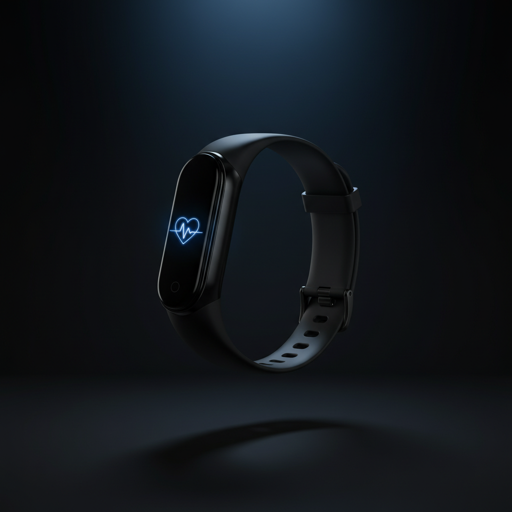
Key fact: AI-powered DMS systems reduce false positives by 85% compared to basic drowsiness detection systems, according to ISO 26262 validation.
Evidence-Based Fatigue Management Strategies
Effective fatigue management requires a multi-layer approach combining pre-work assessment, continuous monitoring, and programmatic interventions.
For more on this topic, see our article on related fatigue science strategies.
4-Layer Fatigue Management Model
This model integrates pre-shift assessment, active monitoring, early alerts, and emergency response to create a comprehensive system for preventing drowsiness-related accidents.
Best practices include specific protocols for different types of night shifts:
- Rotating shifts: 3-5 day adaptation periods with intensive monitoring
- Fixed night shifts: Pre-work assessment with PVT reaction time testing
- Extended shifts: Mandatory breaks every 4 hours with alertness verification
- Emergency calls: Immediate replacement protocols for workers with critical fatigue
Logifit's operations platform enables supervisors to implement these strategies with real-time dashboards showing:
- Fatigue status of each worker per shift
- Risk predictions based on sleep patterns
- Automatic alerts for preventive intervention
Proactive fatigue management is not an operational cost, it's an investment in human lives that generates measurable returns in productivity and risk reduction.
— Dr. Sarah Jenkins, Industrial Safety Specialist2026 Regulatory Framework: New Fatigue Management Requirements
Global regulations are evolving to require more robust fatigue management systems, especially for high-risk operations with night shifts.
Key regulatory changes include:
| Jurisdiction | Regulation | Fatigue Requirement |
|---|---|---|
| United States | OSHA 29 CFR 1910 | Mandatory pre-shift assessment |
| Australia | Safe Work Australia | Continuous monitoring in critical operations |
| Mexico | NOM-035-STPS | Psychosocial risk identification for fatigue |
| Chile | DS 594 | Continuous hour limits for night work |
Implement Fatigue Management Before New Regulations
Organizations adopting proactive fatigue management systems avoid regulatory penalties and reduce insurance costs by up to 40%. Logifit helps comply with all international regulatory requirements.
Request Demo →Successful implementation requires integration with existing safety management systems. Logifit provides robust APIs to connect with enterprise platforms and generate automatic compliance reports.
In 2026, leading organizations will not only meet minimum regulations but use fatigue data as competitive advantage to optimize shift scheduling, reduce absenteeism, and improve personnel retention in critical night operations.