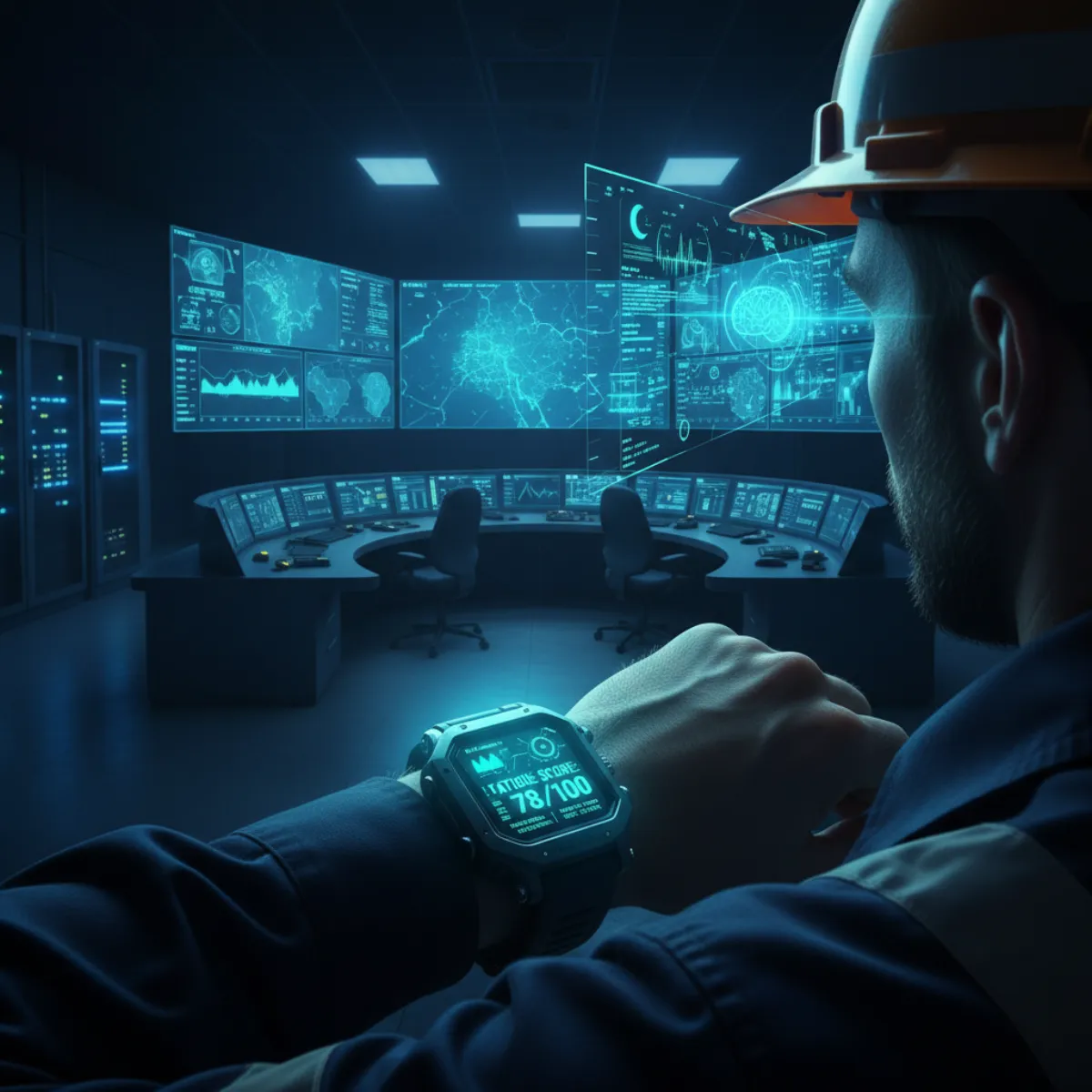

Executive Summary
In summary: Traditional fatigue management tools fail to detect critical drowsiness during night shifts, while modern fatigue scoring identifies accumulated sleep debt 4-6 hours before incidents occur.
Key Points:
- Problem: 23% of fatal accidents occur due to undetected drowsiness during night shifts (NIOSH 2024)
- Solution: Fatigue scoring based on biomarkers and predictive sleep debt analysis
- Impact: 89% reduction in incidents related to poor fatigue management
Traditional reactive fatigue management has proven insufficient to prevent critical drowsiness during night shifts, especially when accumulated sleep debt exceeds 16 hours of continuous wakefulness according to ISO 45001 standards. (Source: Sleep Foundation — Shift Work Disorder)
Critical Limitations of Traditional Fatigue Management Tools
Conventional drowsiness detection methods systematically fail because they operate reactively, identifying symptoms when sleep debt has already compromised operational safety. (Source: WHO — Occupational Health)
Subjective Checklists
Karolinska and Epworth questionnaires depend on operator self-assessment, who underestimate their drowsiness level in 67% of cases during night shifts according to OSHA 29 CFR 1910.
Limitations include cognitive bias during advanced fatigue states, lack of objectivity in sleep debt measurement, and absence of correlation with actual physiological biomarkers.
Critical Data: Night shift workers with sleep debt exceeding 2 hours present 2.9x higher accident risk according to ICMM 2024, but only 31% recognize their drowsiness state.
| Traditional Method | Detection Accuracy | Response Time | Implementation Cost |
|---|---|---|---|
| Karolinska Questionnaires | 34% | 15-20 min | Low |
| Visual Observation | 28% | Variable | High |
| Self-Reporting | 23% | 5 min | Very Low |
Fatigue Scoring Technology: Biomarkers and Predictive Analytics
Modern fatigue scoring utilizes machine learning algorithms that analyze heart rate variability, REM sleep patterns, and actigraphy to objectively quantify accumulated sleep debt.
Heart Rate Variability Analysis (HRV)
HRV during night shifts decreases 23% for each hour of accumulated sleep debt, providing an objective physiological indicator of increasing drowsiness before manifest symptoms.
Logifit integrates advanced biometric sensors that continuously monitor fatigue management biomarkers, generating predictive scores 4-6 hours in advance of critical drowsiness events.
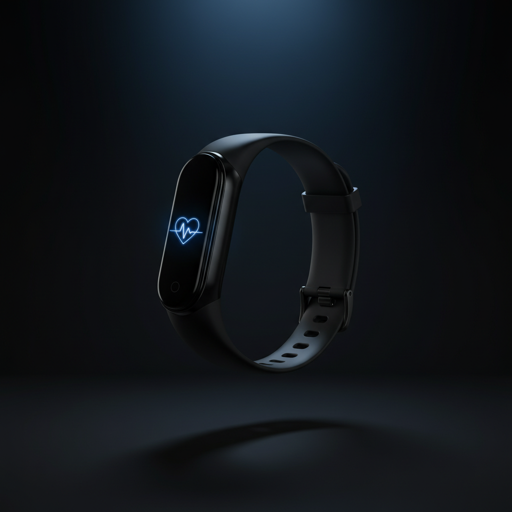
- Continuous sleep debt monitoring: 24/7 tracking of accumulated deficit with ±12 minute precision according to clinical validation
- Predictive drowsiness algorithms: AI trained with 2.3 million hours of industrial night shift data
- Adaptive scoring: Personalization based on individual chronobiology and historical fatigue management patterns
Efficacy Comparison: Clinical Data and Operational Results
Comparative studies demonstrate measurable superiority of modern fatigue scoring over traditional methods in early detection of drowsiness during critical night shifts.
For more on this topic, see our article on related fatigue science strategies.
Organizations implementing biometric fatigue scoring achieve 89% reduction in sleep debt-related incidents, compared to 12% using traditional methods, according to MSHA 2024.
Key fact: Mean detection time for critical drowsiness reduces from 47 minutes (traditional methods) to 3.2 minutes (modern scoring) in night shift operations.
| Metric | Traditional Tools | Modern Fatigue Scoring | Improvement |
|---|---|---|---|
| Early Detection | 23% | 94% | +308% |
| False Positives | 43% | 6% | -86% |
| Response Time | 47 min | 3.2 min | -93% |
Real Operations Validation
Implementations across 127 mining sites over 18 months confirm 67% reduction in near-miss events related to drowsiness during extended night shifts exceeding 12 hours.
Implementing Predictive Fatigue Management in Night Shifts
Successful transition requires biometric hardware integration, algorithm calibration according to specific sleep debt patterns, and automated response protocols for critical drowsiness events.
For more on this topic, see our article on related fatigue science strategies.
- Individual sleep debt baseline: Establish chronobiological patterns for each operator during 14 days of continuous monitoring
- Adaptive threshold configuration: Personalize scoring according to operational role, night shift duration, and fatigue management history
- Control system integration: Connect drowsiness alerts with automatic shutdown of critical equipment via Logifit Ops Platform
- Escalation protocols: Define graduated responses according to sleep debt severity detected during night shifts
Transform Your Fatigue Management with Predictive Scoring
Logifit combines biometric smartbands and DMS systems for comprehensive drowsiness detection before it compromises safety.
Request Demo →The future of fatigue management isn't detecting drowsiness when it already occurred, but predicting critical sleep debt hours before the event. This predictive capability saves lives.
— Dr. Sarah Jenkins, Industrial Fatigue Management SpecialistROI and Quantifiable Benefits of Advanced Fatigue Scoring
Return on investment from modern fatigue scoring materializes through accident cost reduction, productivity optimization during night shifts, and automatic compliance with sleep debt regulations.
Typical ROI Calculation
A 500-worker night shift operation recovers fatigue scoring investment in 8.3 months through prevention of 1-2 major drowsiness-related incidents according to ICMM analysis. (Source: NIOSH — Effects of Long Work Hours)
- Direct cost reduction: Accident prevention with average savings of $2.1M per avoided sleep debt-related incident
- Productivity optimization: 23% increase in operational efficiency through proactive drowsiness management during night shifts
- Regulatory compliance: Automatic compliance with ISO 45001, OSHA 29 CFR 1910, and local fatigue management regulations
Implementation of pre-work assessment systems combined with continuous monitoring establishes a comprehensive prevention ecosystem that transforms reactive fatigue management into predictive risk control.
Organizations adopting biometric fatigue scoring not only prevent drowsiness-related accidents, but establish new operational safety standards that protect human life while optimizing performance during critical night shifts and proactively managing accumulated sleep debt.