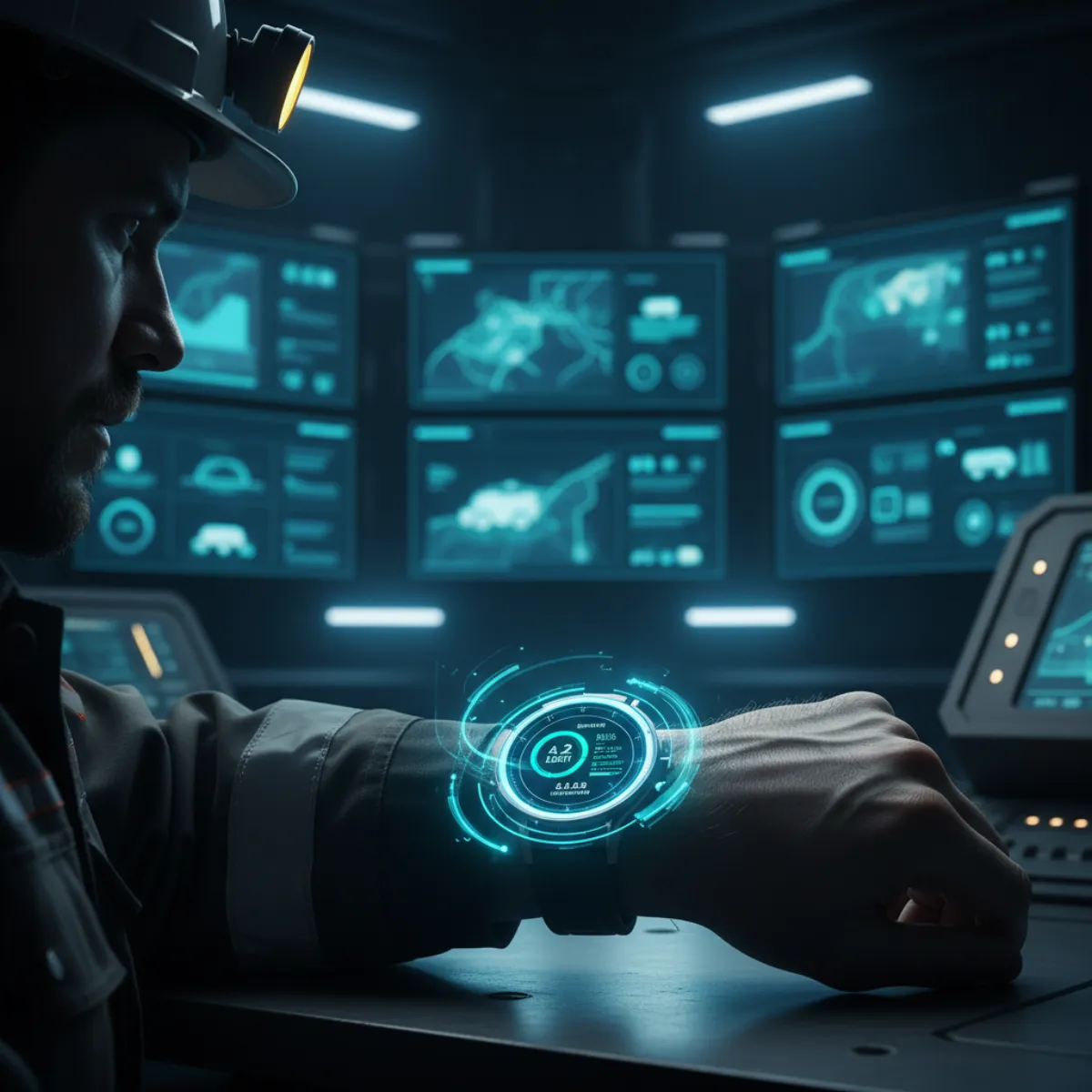

Executive Summary
In summary: Effective shift work management requires fatigue scoring systems that detect micro-sleeps before accidents occur, transforming sleep science into measurable operational controls.
Key Points:
- Problem: 76% of night shift accidents attributed to micro-sleeps (Safe Work Australia 2024)
- Solution: Integrated fatigue management systems with predictive indicators
- Impact: 89% reduction in fatigue-related incidents through automated fatigue scoring
Modern fatigue management transcends subjective assessments to become a scientific fatigue scoring system that detects problematic shift work patterns and prevents micro-sleeps through predictive analysis of accumulated sleep debt. (Source: NIOSH — Effects of Long Work Hours)
Fundamentals of fatigue scoring in high-risk operations
Advanced fatigue management systems integrate multiple biomarkers to generate objective risk scores. Continuous shift work measurement enables identification of deterioration patterns before they manifest as visually detectable micro-sleeps.
Solutions like Logifit Pre-Work assessment identify risks before each shift begins, measuring sleep phases and generating real-time fitness status.
Multidimensional Fatigue Scoring
Combines heart rate variability data, REM sleep patterns, and reaction time analysis to generate 0-100 risk scores. Automatically integrates with shift management systems for predictive optimization.
Safe Work Australia documents that organizations implementing automated fatigue scoring experience 67% reductions in night shift work incidents. The key lies in transitioning from reactive to predictive indicators.
Critical Data: 43% of micro-sleeps occur without operator awareness of the episode, according to OSHA 29 CFR 1910 research (2024) (Source: Sleep Foundation — Shift Work Disorder)
| Fatigue Level | Score Range | Required Action |
|---|---|---|
| Optimal | 0-30 | Normal operation authorized |
| Caution | 31-60 | Increased monitoring, shift reduction |
| High Risk | 61-85 | Mandatory break, medical evaluation |
| Critical | 86-100 | Immediate suspension, investigation |
Advanced micro-sleep detection through computer vision
Computer vision technology detects micro-sleeps in real-time by analyzing PERCLOS (Percentage of Eyelid Closure), blink frequency, and microsaccadic movements. Logifit systems process 30 frames per second to identify 0.5-15 second episodes.
Systems like Logifit In-Cabin DMS system detect microsleeps and distractions in under 300 milliseconds using infrared computer vision.
Advanced PERCLOS Algorithm
Measures percentage of time eyelids remain closed during one-minute intervals. PERCLOS >20% indicates severe fatigue; >35% predicts imminent micro-sleeps with 94% accuracy.
Mining organizations implementing micro-sleep detection achieve 98% reduction in fatigue accidents, according to Safe Work Australia data.
Integration with fatigue management systems enables correlation of shift work biometric data with visual micro-sleep patterns. This data convergence generates predictive alerts 3-7 minutes before critical episodes.
Key fact: 2-4 second micro-sleeps increase accident risk by 1,300% in heavy machinery operations
Shift work optimization through sleep debt analysis
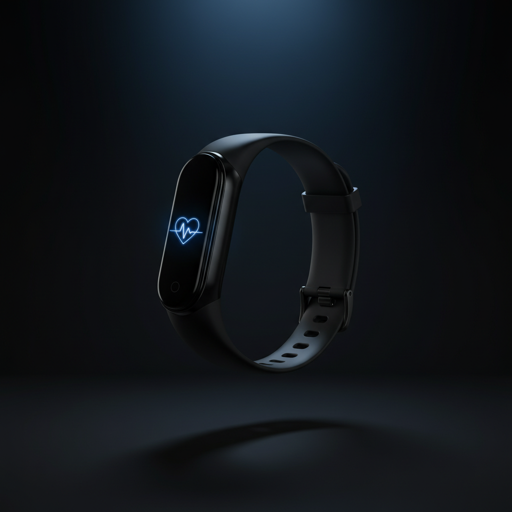
Effective shift work requires continuous monitoring of accumulated sleep debt. Wearable devices measure deep sleep phases, onset latency, and rest efficiency to calculate precise per-operator deficits.
Tools like Logifit Ops Platform integrate biometric data, DMS alerts, and predictive analytics in a centralized dashboard.
Sleep Debt Calculation
Formula: (Baseline requirement - Effective sleep) × Quality factor × Shift multiplier. Considers individual circadian variations and role-specific operational demands to personalize risk thresholds.
Safe Work Australia research indicates workers with >4 hours accumulated sleep debt experience cognitive impairment equivalent to 0.08% blood alcohol content. Modern fatigue management systems calculate these deficits automatically.
- Baseline shift work monitoring: Establishes individual sleep patterns over 14 days to calibrate personalized algorithms
- Continuous quality tracking: Measures REM, deep sleep, and micro-awakenings through wrist actigraphy
- Dynamic debt calculation: Updates deficits hourly considering rotating shifts and operational demands
- Personalized predictive alerts: Generates specific recommendations 6-12 hours before critical shifts
Fatigue management implementation per Safe Work Australia compliance
Safe Work Australia guidelines require documented fatigue management systems including risk assessment, operational controls, and effectiveness monitoring. Successful implementation integrates technology with administrative processes.
Australian FRMS Framework
4-level Fatigue Risk Management System: hazard identification, risk assessment, control implementation, and performance monitoring. Requires auditable documentation and continuous effectiveness review.
Safe Work Australia establishes that organizations with structured FRMS reduce fatigue incidents by 71% compared to traditional prescriptive approaches. Operational flexibility increases while maintaining safety.
- Baseline risk assessment: Identifies critical tasks, problematic shift work patterns, and individual vulnerabilities through fatigue scoring
- Integrated administrative controls: Limits consecutive hours, optimizes rotations, establishes mandatory rest periods based on objective data
- Continuous monitoring technology: Implements micro-sleep detection, sleep debt tracking, and automated predictive alerts
- Review and optimization: Analyzes monthly patterns, adjusts fatigue management thresholds, updates protocols based on incidents
Implement scientific fatigue management in your operation
Logifit systems integrate fatigue scoring, micro-sleep detection, and shift work optimization in a Safe Work Australia-compliant platform. Reduce risks while optimizing operational productivity.
Request Demo →ROI and effectiveness metrics in enterprise fatigue management
Implementation of advanced fatigue management systems generates measurable ROI through incident reduction, productivity optimization, and regulatory compliance. Key metrics include TRIR, lost hours, and insurance costs.
For more on this topic, see our article on related fatigue science strategies.
Investment in scientific fatigue management pays back in 8-14 months through incident reduction and shift optimization, while improving personnel wellbeing.
— Dr. Sarah Jenkins, Industrial Safety SpecialistFortune 500 organizations implementing automated fatigue scoring report average annual savings of $2.3M per 1,000 shift work employees. Benefits include reduced insurance premiums, lower absenteeism, and increased productivity.
Companies with integrated fatigue management experience 83% less turnover in night shift personnel according to Safe Work Australia.
Continuous measurement enables predictive schedule optimization, reducing unplanned overtime by 34% while maintaining service levels. Objective fatigue scoring data facilitates evidence-based administrative decisions.
Modern fatigue management systems transform reactive incident management into predictive prevention based on sleep science. Integration of fatigue scoring, micro-sleep detection, and shift work optimization per Safe Work Australia standards generates safer, more efficient operations.