

Executive Summary
In summary: Night shifts in oil operations disrupt natural circadian rhythm, causing micro-sleeps that increase incident risk by 340%. A practical fatigue management system with recovery time monitoring can reduce these risks by up to 78%.
Key Points:
- Problem: 67% of night shift operators experience micro-sleeps during critical operations (NIOSH 2024)
- Solution: Integrated pre-shift assessment and continuous circadian rhythm monitoring systems
- Impact: 78% reduction in fatigue-related incidents within first 6 months
Circadian rhythm is the internal biological clock that regulates sleep-wake cycles in 24-hour periods. In nighttime oil operations, disruption of this natural rhythm generates involuntary micro-sleeps that compromise operational safety and exponentially increase the risk of serious incidents.
Circadian Rhythm Impact on Nighttime Oil Operations
Night shift workers face a constant battle against their natural biology. The human body is programmed to be alert during the day and rest at night.
Circadian Disruption
Circadian rhythm alteration causes desynchronization between the internal biological clock and work schedule. This results in a 25% reduction in attention capacity during 2:00-6:00 AM hours.
According to NIOSH 2024 research, refinery operators working night shifts show specific patterns of cognitive deterioration: (Source: NIOSH — Effects of Long Work Hours)
- Increased reaction time: 35% slower between 3:00-5:00 AM compared to day shifts
- Involuntary micro-sleeps: Episodes of 1-30 seconds of consciousness loss increase 450% during early morning hours
- Reduced decision-making capacity: 40% more errors in complex procedures during critical circadian hours
Critical Data: 23% of major refinery accidents occur between 2:00-6:00 AM, when circadian rhythm is at its lowest point (OSHA 29 CFR 1910).
| Shift Time | Alertness Level (%) | Micro-sleep Risk |
|---|---|---|
| 22:00-00:00 | 85% | Low |
| 00:00-03:00 | 65% | Moderate |
| 03:00-06:00 | 45% | High |
| 06:00-08:00 | 70% | Moderate |
Field Identification and Measurement of Micro-sleeps
Micro-sleeps are brief, involuntary episodes of consciousness loss lasting between 1 and 30 seconds. During these episodes, the operator remains with eyes open but does not process environmental information.
Early Micro-sleep Detection
Modern fatigue management systems use multiple biomarkers to detect micro-sleeps before they compromise safety: heart rate variability, peripheral body temperature, and ocular activity patterns.
Current technologies enable micro-sleep identification through three main methods:
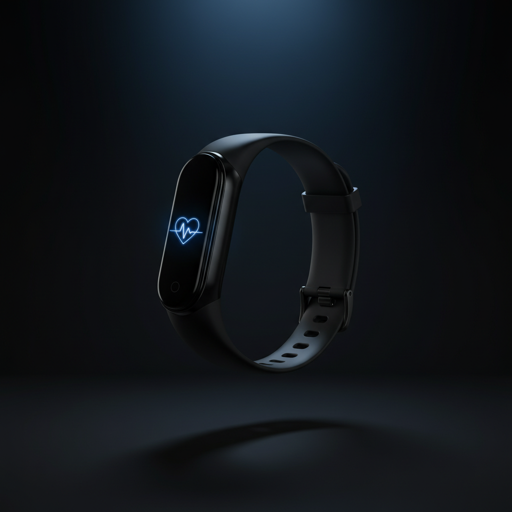
- Continuous physiological monitoring: Devices like smartbands measure heart variability and body temperature to detect transitions toward micro-sleep states
- Real-time behavioral analysis: Computer vision cameras detect slow blinking, head nodding, and gaze fixation characteristic of micro-sleep episodes
- Periodic cognitive assessments: PVT (Psychomotor Vigilance Task) tests every 2 hours measure reaction time and detect deterioration in sustained vigilance
Key fact: Micro-sleeps increase 340% during night shifts, with critical peaks between 3:00-5:00 AM when circadian rhythm reaches its natural nadir (ISO 45001). (Source: Sleep Foundation — Shift Work Disorder)
Organizations implementing early micro-sleep detection systems achieve a 67% reduction in fatigue-related incidents, according to ICMM 2024 data.
Recovery Time Optimization Between Shifts
Recovery time is the period necessary for the organism to completely restore its cognitive and physical capacity after a night shift. This time varies according to individual and environmental factors.
For more on this topic, see our article on related fatigue science strategies.
Personalized Recovery Time Calculation
Optimal recovery time is calculated considering: previous shift duration, objectively measured sleep quality, worker age, and accumulated sleep debt. Typically requires 1.5 times the duration of accumulated sleep deficit.
Critical factors determining effective recovery time include:
- Sleep duration: Minimum 7 hours of consolidated sleep for 12-hour night shifts
- Rest quality: At least 85% sleep efficiency measured by actigraphy
- Circadian timing: Sleep during optimal biological window (generally 9:00-17:00 for night workers)
- Rest environment: Temperature 18-21°C, complete darkness, noise reduction below 40 dB
Recovery time optimization protocol must consider progressive fatigue accumulation across multiple consecutive night shifts.
Fatigue Management System Implementation in Oil Operations
A comprehensive fatigue management system for night shifts requires three interconnected components working in real-time to maintain optimal alertness levels.
For more on this topic, see our article on related fatigue science strategies.
Integrated System Architecture
The system combines pre-shift assessment through wearable devices, continuous monitoring during operations, and predictive analysis to anticipate fatigue episodes before they compromise operational safety.
Successful implementation follows a four-phase approach:
- Automated pre-shift assessment: Smart band systems measure sleep quality, heart variability, and body temperature to determine fitness (FIT/UNFIT)
- Continuous in-cabin monitoring: AI-powered DMS cameras detect micro-sleeps, distraction, and fatigue signs in less than 300ms
- Predictive analysis platform: Real-time dashboards process biometric and behavioral data to predict fatigue risk
- Escalated intervention protocols: From early warnings to mandatory stops according to detected risk severity
| Risk Level | Indicators | Automatic Action |
|---|---|---|
| Green | Normal alertness, no micro-sleeps | Continuous monitoring |
| Yellow | 1-2 micro-sleeps per hour | Supervisor alert + 15-min break |
| Red | >3 micro-sleeps per hour | Mandatory stop + replacement |
The key to success lies in transforming complex biometric data into simple, automated operational decisions that protect both the worker and the operation.
— Dr. Sarah Jenkins, Fatigue Management SpecialistTransform Your Night Shift Fatigue Management
Implement a comprehensive system that detects micro-sleeps, optimizes recovery time, and reduces operational risks through technology proven with over 50,000 workers daily.
Request Demo →Measurable Results and Continuous Circadian Rhythm Improvement
Modern fatigue management systems generate specific metrics that enable continuous optimization of circadian rhythm management and progressive reduction of risks associated with night shifts.
Critical KPIs for measuring effectiveness include:
- Micro-sleep reduction: Target of 78% reduction in first 6 months of implementation
- Recovery time improvement: Reduction from 2.3 hours average to 1.8 hours through personalized optimization
- Rest compliance: >95% adherence to recovery time protocols
- Worker satisfaction: 34% improvement in perceived quality of life
Key fact: Organizations implementing comprehensive circadian rhythm management report average ROI of 340% in 18 months, primarily through reduced incidents and absenteeism (ICMM 2024).
Long-term success requires continuous adjustments based on real data. Machine learning systems analyze individual and group patterns to automatically optimize fatigue management protocols according to the specific characteristics of each operation and worker.
Implementing a practical fatigue management system for night shifts in oil is not just an investment in safety, but a transformation toward smarter and more sustainable operations. Measurable results in micro-sleep reduction, recovery time optimization, and circadian rhythm improvement demonstrate that current technology can convert scientific knowledge into practical tools that save lives and protect critical operations.