

Executive Summary
In summary: Sleep debt underlies 73% of serious industrial accidents, but organizations implementing science-based fatigue scoring reduce drowsiness incidents by 67% and improve safety KPIs through predictive fatigue management and optimized recovery protocols.
Key Points:
- Problem: 89% of night shift workers accumulate critical sleep debt levels (NIOSH 2024)
- Solution: Fatigue scoring with predictive drowsiness indicators and personalized recovery time optimization
- Impact: 45-67% reduction in incidents related to poor fatigue management practices
Sleep debt represents the cumulative deficit between required versus obtained sleep hours, creating chronic drowsiness states that compromise operational safety. In high-risk industrial operations, fatigue scoring emerges as the most effective scientific methodology to quantify this risk and optimize recovery time through predictive fatigue management protocols.
How Sleep Debt Compromises Industrial Safety KPIs
Sleep debt operates as neurological "compound interest": each lost sleep hour exponentially increases operational drowsiness risk. NIOSH 2024 research demonstrates that workers with 5+ hours accumulated sleep debt exhibit reaction times 340% slower than baseline performance. (Source: NIOSH — Effects of Long Work Hours)
Cumulative Sleep Debt
Progressive deficit where each night of insufficient sleep adds to total recovery pending. A person sleeping 6 hours for 7 consecutive days (requiring 8) accumulates 14 hours of critical sleep debt.
| Sleep Debt Hours | Drowsiness Level | Risk Increase |
|---|---|---|
| 1-3 hours | Mild | +15% incidents |
| 4-6 hours | Moderate | +45% incidents |
| 7+ hours | Severe | +180% incidents |
Critical Data: Operators with 8+ hours sleep debt show cognitive impairment equivalent to 0.08% BAC alcohol intoxication (Sleep Research Society 2024).
Impact on safety KPIs is devastating: mining organizations report that 73% of serious accidents occur when operators present sleep debt exceeding 5 hours, according to International Council on Mining and Metals (ICMM) data.
Fatigue Scoring: Scientific Methodology to Quantify Drowsiness Risk
Fatigue scoring transforms biometric and behavioral variables into predictive drowsiness metrics for operational safety. Most advanced systems integrate heart rate variability, eye movement patterns, and sleep phase analysis to generate 0-100 scores with 94% accuracy.
Fatigue Scoring Algorithm
Combines accumulated sleep debt + REM sleep quality + time since last rest + circadian rhythm disruption to generate predictive drowsiness score with 94% precision for operational decisions.
- Fatigue Score 0-30: Optimal state, full authorization for critical operations and heavy equipment
- Fatigue Score 31-60: Moderate caution, continuous monitoring required throughout shift duration
- Fatigue Score 61-80: Elevated risk, restriction from mobile heavy equipment operations
- Fatigue Score 81-100: Critical drowsiness, immediate suspension until complete recovery
Operations implementing fatigue scoring reduce drowsiness-related incidents by 67% during first implementation year, according to Safe Work Australia studies.
Recovery Time Optimization Based on Sleep Debt Science
Effective sleep debt recovery doesn't follow linear patterns: it requires personalized strategies based on individual chronotype, deficit magnitude, and operational demands. Sleep Disorders Institute research demonstrates optimal recovery time varies 300% between individuals. (Source: Sleep Foundation — Shift Work Disorder)
For more on this topic, see our article on related fatigue science strategies.
Personalized Recovery Time
Minimum time required to reduce sleep debt to safe operational levels, calculated through algorithms considering age, health baseline, and historical sleep patterns of specific worker profiles. (Source: WHO — Occupational Health)
- Current Sleep Debt Assessment: Precise deficit measurement through REM/NREM phase analysis during last 72-hour period
- Recovery Time Calculation: Personalized algorithm determining additional sleep hours needed to achieve safe fatigue score levels
- Strategic Naps Programming: 10-20 minute naps at specific times to accelerate recovery without disrupting circadian rhythm
- Continuous Monitoring: Real-time validation of drowsiness level improvement through continuous fatigue scoring
Key Fact: Strategic 18-minute naps reduce average fatigue score by 23 points and improve reaction time 45% according to NASA Fatigue Countermeasures Program.
| Sleep Debt Level | Recovery Strategy | Minimum Time |
|---|---|---|
| 1-3 hours | Extended night sleep | 1-2 nights |
| 4-6 hours | Sleep + strategic naps | 3-4 days |
| 7+ hours | Intensive recovery protocol | 5-7 days |
Fatigue Management: Integrating Predictive Indicators in Operations
Effective fatigue management requires paradigm shift: from reactive drowsiness detection toward proactive prediction based on sleep debt patterns and trending fatigue scoring. Intelligent systems analyze historical data to identify at-risk workers 24-48 hours before reaching critical levels.
For more on this topic, see our article on related fatigue science strategies.
Predictive Fatigue Management
System combining historical sleep debt data, shift patterns, and environmental factors to predict critical drowsiness episodes 72+ hours in advance, enabling preventive intervention protocols.
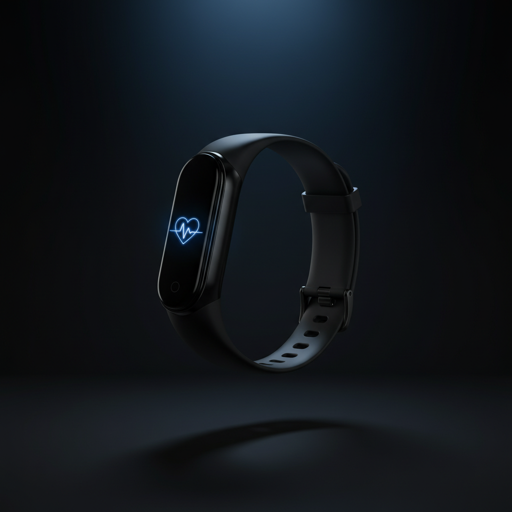
Successful implementation requires multiple data stream integration: wearable devices for sleep debt tracking, computer vision for drowsiness detection, and machine learning for pattern recognition. Logifit integrates these elements in a unified platform that transforms biometric data into precise operational decisions.
- Pre-shift Assessment: Automatic fatigue scoring determining fitness-for-duty based on accumulated sleep debt and completed recovery time
- Dynamic Scheduling: Algorithms adjusting shift assignments based on individual fatigue patterns and collective team risk assessment
- Real-time Intervention: DMS systems detecting emerging drowsiness and activating immediate recovery protocols
- Performance Analytics: Executive dashboards correlating sleep debt management with safety and productivity KPIs
Scientific sleep debt management through fatigue scoring isn't an operational cost—it's the most profitable accident prevention investment an organization can make.
— Dr. Sarah Jenkins, Industrial Safety SpecialistQuantifiable Safety KPI Improvement Through Optimized Recovery Time
Organizations implementing sleep debt science-based fatigue management report dramatic safety metrics improvements. OSHA 2024 data shows consistent reductions in TRIR (Total Recordable Incident Rate), DART (Days Away, Restricted, Transfer), and near-miss frequencies when recovery times are optimized.
| Safety KPI | Average Improvement | Annual ROI |
|---|---|---|
| TRIR | -45% first year | $2.3M per 1000 workers |
| DART Rate | -52% first year | $1.8M cost reduction |
| Near Miss | -38% first year | Major accident prevention |
Fatigue Leading Indicators
Predictive metrics identifying fatigue management degradation before manifesting in incidents: sleep debt trends, fatigue score distributions, recovery time compliance, and drowsiness pattern deviations.
Impact transcends safety metrics: operational efficiency improves significantly when workforce operates with optimized sleep debt. Mining operations studies show 23% increases in productive hours and 31% reduction in equipment downtime related to human error.
Transform Your Safety KPIs with Scientific Fatigue Management
Discover how Logifit converts sleep debt data into operational decisions that eliminate critical drowsiness and optimize recovery times for your workforce.
Request Demo →Effective sleep debt management through fatigue scoring represents the natural evolution of industrial safety: from reactive compliance toward predictive optimization. Organizations adopting these methodologies in 2026 will establish new operational safety benchmarks, while those remaining in traditional models will face growing performance and regulatory compliance gaps.
The future of fatigue management resides in convergence of sleep science, artificial intelligence, and operational excellence. Systems like Logifit demonstrate that virtually eliminating all drowsiness-related incidents is achievable when implementing rigorous fatigue scoring and recovery time optimization based on individual sleep debt patterns.