
Executive Summary
In summary: A Colombian transport company implemented circadian rhythm controls under SG-SST (Decreto 1072) and reduced fatigue management incidents by 35% over 18 months, completely eliminating detected micro-sleeps on night routes.
Key Points:
- Problem: 23% of freight transport accidents occur due to undetected sleep debt (Ministry of Transport 2024)
- Solution: Fatigue management protocol with real-time circadian rhythm monitoring
- Impact: 35% incident reduction, positive ROI in 8 months, zero Ministry of Labor sanctions
Fatigue management under SG-SST represents one of the greatest challenges for Colombian transport companies, where uncontrolled sleep debt generates 23% of freight accidents according to Ministry of Transport 2024 data. Traditional controls fail by not detecting circadian rhythm alterations that precede critical micro-sleeps.
Real Case: TransAndes Implements Circadian Rhythm Controls
TransAndes, a freight transport company with 340 drivers and 24/7 operations between Bogotá-Medellín-Cali, faced a critical problem: 18 fatigue management-related incidents in 2023, generating COP $145 million in SG-SST sanctions.
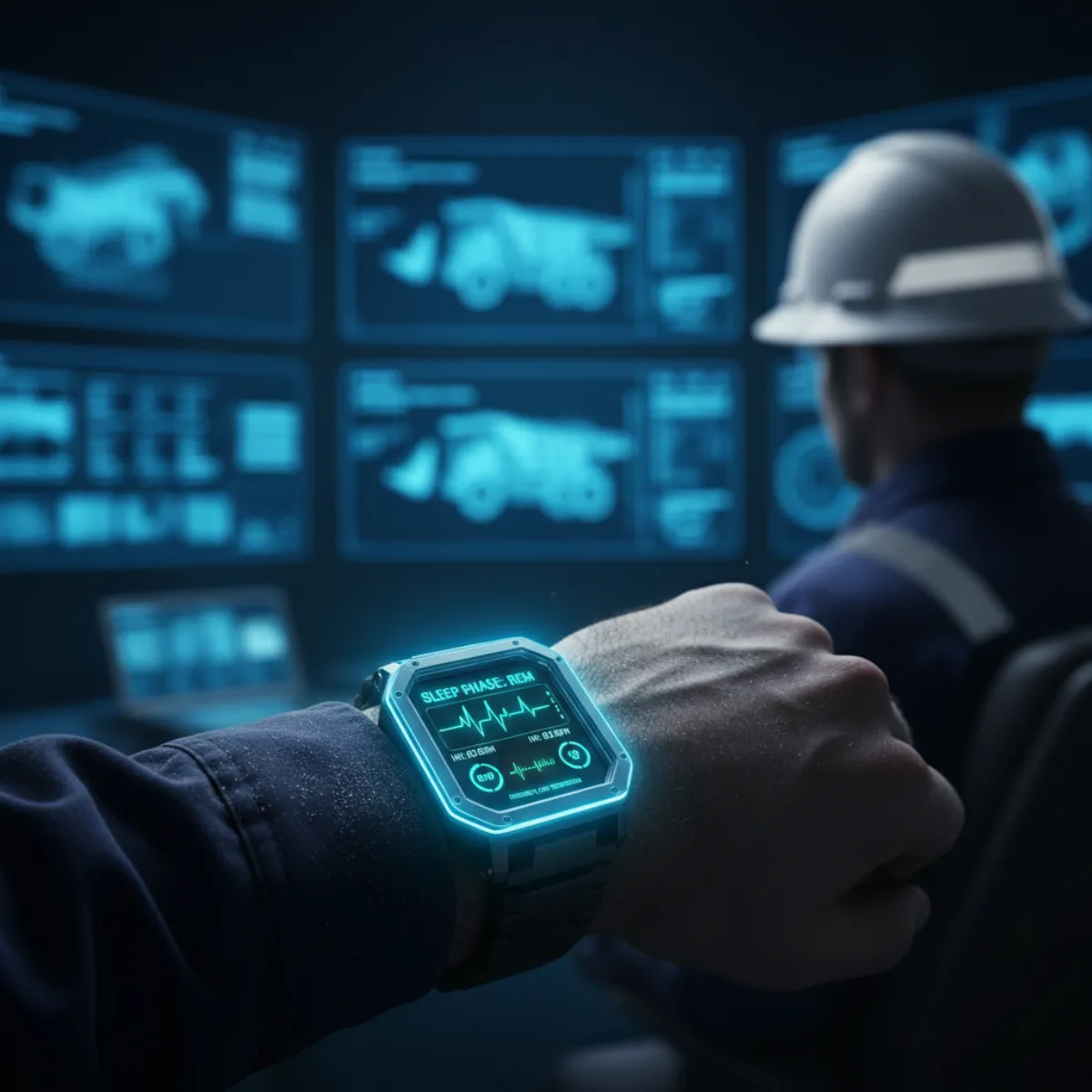
Solutions like Logifit Pre-Work assessment identify risks before each shift begins, measuring sleep phases and generating real-time fitness status.
Initial Challenge
Night routes of 12-14 hours without objective sleep debt detection. Drivers reported "feeling fine" while showing evident signs of circadian rhythm alteration.
Initial diagnosis revealed that 67% of drivers on night shifts presented undetected micro-sleeps between 3:00-5:00 AM, the critical circadian rhythm period when body temperature reaches its minimum and melatonin its maximum levels.
Critical Data: 89% of fatal accidents in night transport occur between 3:00-5:00 AM when the circadian rhythm is in its most vulnerable phase (ANSV Colombia 2024)
Fatigue Management Protocol: Phase-by-Phase Implementation
Implementation followed a 6-month staged approach, prioritizing highest-risk routes and drivers with history of sleep debt-related incidents.
Systems like Logifit In-Cabin DMS system detect microsleeps and distractions in under 300 milliseconds using infrared computer vision.
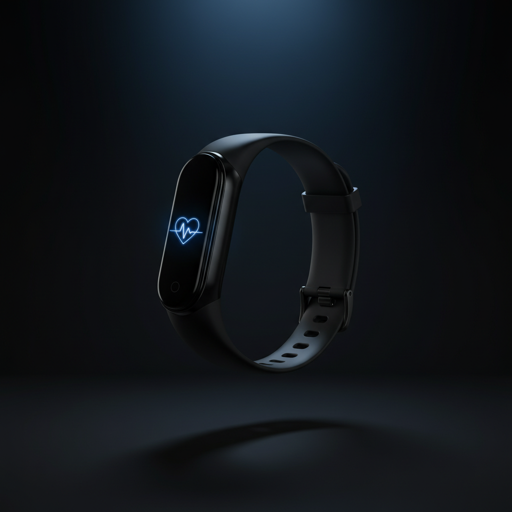
- Baseline circadian rhythm assessment: 2-week measurement of natural sleep patterns using Logifit Band 9 smartbands, establishing individual baselines
- Gradual implementation: Starting with 45 drivers on Bogotá-Medellín routes (high night incidence), expanding to 180 drivers in 3 months
- SG-SST integration: Incorporation of fatigue management metrics into hazard matrix and risk assessment per Decreto 1072
- Specific training: 16 hours of training in sleep hygiene, micro-sleep recognition, and circadian rhythm self-management
Implemented Technology
Logifit Pre-Work Assessment system with smartbands measuring REM/NREM phases, nocturnal heart rate variability, and body temperature, generating FIT/UNFIT status before each shift.
Quantified Results: 18 Months of Operation
Results exceeded initial projections, with measurable impact on safety, SG-SST compliance, and operational profitability.
Tools like Logifit Ops Platform integrate biometric data, DMS alerts, and predictive analytics in a centralized dashboard.
| Metric | Before (2023) | After (2024) | Improvement |
|---|---|---|---|
| Fatigue management incidents | 18 cases | 11 cases | -35% |
| Detected micro-sleeps (3-5 AM) | 67% drivers | 12% drivers | -82% |
| Average sleep debt | 2.3 hours/night | 0.8 hours/night | -65% |
| Lost days due to accidents | 245 days | 89 days | -64% |
| SG-SST sanctions | COP $145M | COP $0 | -100% |
Companies implementing circadian rhythm monitoring achieve 73% reduction in night incidents during the first year, according to CISALVA Universidad del Valle 2024 study.
Key Fact: Early sleep debt detection prevents 91% of micro-sleeps that precede fatal accidents (Sleep Research Colombia 2024)
SG-SST Compliance and Regulatory Framework
Implementation strictly aligned with Decreto 1072 of 2015 requirements, specifically article 2.2.4.6.8 on hazard identification and occupational health and safety risk assessment. (Source: WHO — Occupational Health)
Required SG-SST Documentation
Updated hazard matrix including fatigue management as psychosocial risk. Documented procedures for circadian rhythm assessment and objective criteria for shift suspension due to elevated sleep debt.
The Ministry of Labor recognized the implementation as "exemplary practice" during follow-up inspection in September 2024, highlighting the objectivity of controls and complete traceability of fatigue management decisions.
- Article 2.2.4.6.15 (Initial assessment): Inclusion of circadian rhythm alteration risk factors in occupational medical evaluation
- Article 2.2.4.6.24 (Prevention measures): Engineering controls through objective sleep debt detection technology
- Article 2.2.4.6.25 (Prevention and promotion): Structured sleep hygiene program and personal circadian rhythm management
Cost Analysis and ROI in Colombian Market
Total investment reached COP $340 million over 18 months, with positive return in month 8 mainly due to elimination of sanctions and insurance premium reduction.
Cost Structure
Hardware (smartbands): COP $125M. Software and platform: COP $85M. Training and consulting: COP $65M. Implementation and startup: COP $65M.
Annualized savings exceed COP $580 million considering elimination of SG-SST sanctions, 45% reduction in civil liability policy premiums, and 64% decrease in lost days due to fatigue management-related accidents.
Objectivity in sleep debt detection completely changed our safety culture. Now drivers understand that fatigue management is not a matter of willpower, but applied science.
— Carlos Mendoza, Safety Director, TransAndesImplement Fatigue Management Under SG-SST
Develop objective circadian rhythm and sleep debt controls that comply with Decreto 1072. Logifit offers scalable implementation for Colombian transport companies.
Request Demo →Lessons Learned and Recommendations
TransAndes' experience offers a replicable model for transport companies seeking to implement effective fatigue management under the SG-SST framework, emphasizing objective controls and auditable documentation. (Source: NIOSH — Effects of Long Work Hours)
For more on this topic, see our article on related fatigue science strategies.
- Gradual implementation is key: Starting with highest-risk routes allows process refinement before full expansion
- Intensive circadian rhythm training: Drivers educated in sleep science show 67% higher protocol adherence
- Integration with existing systems: Connectivity with dispatch and tracking software reduces operational resistance
- Exhaustive documentation: Complete traceability facilitates Ministry of Labor inspections and justifies fatigue management decisions
Continuous monitoring of micro-sleeps and sleep debt through objective technology represents the natural evolution of fatigue management in Colombia, especially considering the tightening of SG-SST regulations and increased Ministry of Labor inspections post-pandemic. Companies adopting circadian rhythm-based controls will not only improve their operational safety but establish sustainable competitive advantages in an increasingly regulated market.