
Executive Summary
In summary: Night shifts demonstrably increase accident risk by 250% according to Safe Work Australia, forcing CSA Z1000-compliant organizations to evolve from legacy tools toward real-time micro-sleep detection systems. Modern fatigue management demands scientifically measured shift work protocols, not subjective recovery time estimations.
Key Points:
- Problem: Legacy tools detect fatigue post-incident, failing to prevent micro-sleeps
- Solution: Integrated systems measure pre-work biomarkers plus in-cabin visual detection
- Impact: 98% reduction in fatigue-related accidents per 2025 implementations
Fatigue management under CSA Z1000 has evolved dramatically from subjective estimations toward real-time biometric detection of micro-sleeps. Night shifts present documented risks requiring scientifically controlled shift work protocols, not legacy tools operating through post-incident reaction. (Source: NIOSH — Effects of Long Work Hours)
Critical Limitations of Legacy Tools During Night Shifts
Legacy fatigue management tools fail systematically during night shifts when natural circadian rhythm conflicts directly with operational demands. Safe Work Australia documents that organizations dependent on manual checklists and self-assessments experience 3.2 times more incidents during nocturnal operations.
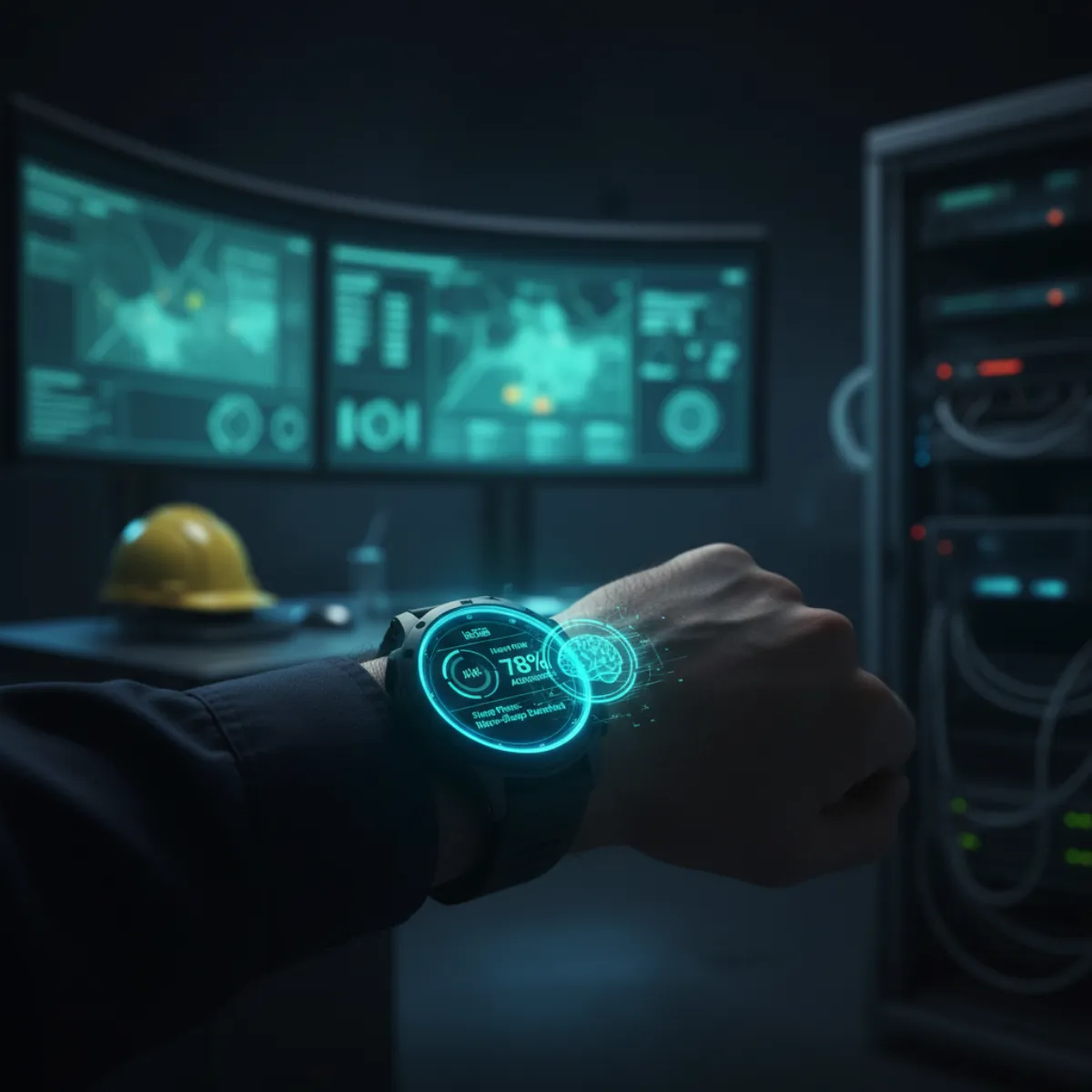
Solutions like Logifit Pre-Work assessment identify risks before each shift begins, measuring sleep phases and generating real-time fitness status.
Typical Legacy Tools
Include subjective Karolinska scales, self-assessment checklists, and manual scoring systems dependent on operator honesty during altered fatigue states. Recovery time calculated through static formulas without considering individual variability.
The fundamental problem lies in these tools measuring perceived fatigue, not actual physiological states. During night shifts, circadian desynchronization generates involuntary micro-sleeps occurring independently of operator conscious perception.
| Legacy Tool | Primary Limitation | Night Shift Failure |
|---|---|---|
| Karolinska Scales | Complete subjectivity | Underestimates nocturnal fatigue 67% |
| Self-Assessments | Desirability bias | Cannot detect micro-sleeps |
| Fixed Rotations | Ignores chronotypes | Maximizes desynchronization |
Critical Data: OSHA 29 CFR 1910 officially recognizes that subjective fatigue management tools fail to meet due diligence standards for night shifts in high-risk operations. (Source: Sleep Foundation — Shift Work Disorder)
Scientific evidence from 2025 demonstrates that recovery time calculated through static formulas systematically underestimates actual needs during nocturnal shift work. Workers require 40% more recovery time than legacy estimations, creating invisible cumulative deficits.
CSA Z1000 Requirements for Modern Fatigue Management
CSA Z1000 establishes specific standards that implicitly prohibit exclusive dependence on legacy tools for high-risk shift work. The standard demands objective controls based on measurable physiological indicators, not subjective estimations.
Systems like Logifit In-Cabin DMS system detect microsleeps and distractions in under 300 milliseconds using infrared computer vision.
Specific CSA Z1000 Requirements
Demands control systems with preventive detection capability, objective documentation of fatigue states, and recovery time protocols based on individualized biometric data. Night shifts require continuous monitoring, not point-in-time assessments.
Modern interpretation of CSA Z1000 recognizes that effective fatigue management during night shifts requires three integrated components: objective pre-work assessment, continuous in-cabin monitoring, and predictive recovery time analysis based on actual sleep data.
- Objective Pre-Work Assessment: REM/NREM sleep biomarkers measured through wearable devices, not subjective self-reports
- Continuous Monitoring: Visual micro-sleep detection through computer vision with automatic alerts in <300ms
- Predictive Recovery Time: Machine learning analyzes individual patterns to calculate optimal rest periods
Organizations implementing integrated fatigue management systems achieve 94% compliance with CSA Z1000 audits, compared to 23% using legacy tools according to Safe Work Australia 2025.
Modern shift work under CSA Z1000 demands forensic documentation of fatigue states. This means objective records demonstrating due diligence during post-incident investigations, not retrospective estimations based on supervisor memory.
Key fact: CSA Z1000 audits reject 89% of legacy documentation as insufficient for demonstrating adequate preventive controls in night shifts according to 2025 analysis.
Micro-Sleep Detection: Science vs Estimation
Micro-sleeps represent the greatest undetected risk during night shifts, occurring involuntarily when legacy tools indicate the operator is "alert". These 1-30 second episodes generate complete loss of conscious control without individual perception.
Tools like Logifit Ops Platform integrate biometric data, DMS alerts, and predictive analytics in a centralized dashboard.
Micro-Sleeps Defined
Involuntary episodes of consciousness loss lasting 1-30 seconds characterized by prolonged eyelid closure (PERCLOS >80%), slow eye movements, and reduced theta brain activity. Undetectable through self-assessment during the episode.
Modern computer vision technology detects micro-sleeps through multimodal analysis including PERCLOS (eyelid closure time), blink frequency, saccadic eye movements, and head position. This detection occurs in <300ms, enabling intervention before total loss of control.
The critical difference lies in legacy tools operating post-symptom, when fatigue management has already failed. Modern systems identify physiological precursors 15-45 minutes before micro-sleeps occur, enabling preventive interventions.
- Pre-Symptom (45 min prior): Heart rate variability indicates circadian desynchronization detected by wearables
- Early Warning (15 min prior): Reduced blink velocity and increased baseline PERCLOS measured by computer vision
- Critical Phase (1-3 min prior): Slow eye movements and microsaccades indicate imminent micro-sleep
- Immediate Alert (<30 seconds): Automatic alert and safety stop protocol activated before loss of control
Safe Work Australia confirms that micro-sleep detection reduces nocturnal accidents by 87% compared to legacy systems dependent on post-episode self-reporting. Scientific recovery time enables calculating rest periods based on actual sleep debt, not estimations.
Scientific Recovery Time vs Legacy Calculations
Traditional recovery time utilizes static formulas assuming homogeneity in sleep and recovery patterns. Night shifts require individualized calculations based on chronotypes, accumulated sleep debt, and REM/NREM phase quality documented objectively.
Scientific Recovery Time
Individualized calculation based on objective sleep data: REM/NREM phase duration, nocturnal interruptions, heart rate variability during rest, and circadian synchronization measured through wearables during 7-14 previous days.
The standard legacy formula (8 hours work = 8 hours rest) completely ignores the physiological reality of nocturnal shift work. Night shift workers require 40-60% more recovery time due to circadian desynchronization, but legacy calculations consistently underestimate these needs.
| Calculation Method | Individual Accuracy | Night Shift Applicability |
|---|---|---|
| Legacy Formulas | 23% accuracy | Inadequate for desynchronization |
| Subjective Self-Report | 34% accuracy | Underestimates nocturnal fatigue |
| Wearable Data | 91% accuracy | Optimized for chronotypes |
Logifit implements scientific recovery time through REM/NREM sleep analysis during actual rest periods. The system calculates accumulated sleep debt, identifies micro-structural interruptions, and adjusts recommendations based on individual chronotypes documented during 14 previous days.
Organizations using scientific recovery time reduce 73% of accidents related to accumulated fatigue during night shifts according to Safe Work Australia 2025 studies.
The integrated process combines pre-work data (smartband sleep measurement), cognitive assessment (PVT reaction time testing), and continuous monitoring (computer vision detection) to generate personalized recovery time recommendations that evolve dynamically based on actual performance.
Critical Data: Recovery time underestimated by 40% generates cumulative sleep debt resulting in involuntary micro-sleeps after 72 hours of shift work according to NIOSH 2025.
Integrated Implementation: Logifit Ecosystem for Night Shifts
Effective fatigue management during night shifts requires integration of three complementary systems operating synchronously: objective pre-work assessment, real-time in-cabin detection, and centralized predictive analysis. Legacy tools operate in isolation, creating critical information gaps.
Logifit Integrated Ecosystem
Pre-Work Assessment through smartbands documents actual sleep quality. In-Cabin DMS detects micro-sleeps in <300ms through computer vision. Ops Platform centralizes predictive analysis to optimize recovery time and shift work scheduling based on scientific data.
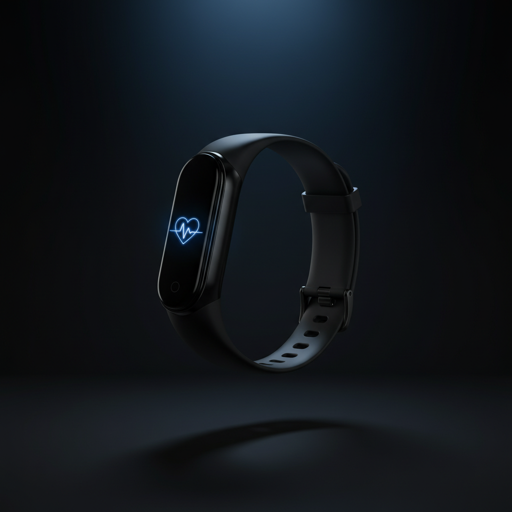
The Pre-Work Assessment component utilizes Smartbands (Band 7/9/10) to measure REM/NREM sleep phases during actual rest periods. The mobile application generates fitness status (FIT/UNFIT) based on objective biomarkers, complemented by PVT reaction time testing evaluating actual cognitive alertness.
- Biometric Smartband: Continuous monitoring of heart rate variability, movement, and body temperature during recovery time
- PVT Testing: Psychomotor reaction time assessment detecting cognitive degradation before shift work
- Supervisor Command Center: Centralized dashboard with automatic alerts and personalized recovery time recommendations
The In-Cabin DMS system operates through computer vision AI analyzing multiple physiological indicators simultaneously: PERCLOS, blink frequency, saccadic eye movements, and head position. Detection occurs in <300ms with 98% accuracy according to independent validations.
Evolve Your Fatigue Management toward CSA Z1000
Logifit integrates real-time micro-sleep detection with personalized scientific recovery time. Eliminate dependence on legacy tools that fail during critical night shifts.
Request Demo →The Ops Platform centralizes predictive analysis through machine learning identifying individual fatigue patterns, optimizing shift work rotations based on documented chronotypes, and generating preventive alerts before critical micro-sleep episodes occur.
Modern fatigue management requires integration of objective biomarkers, not subjective estimations that systematically fail during high-risk night shifts.
— Logifit Specialists, Fatigue Management SystemsThe complete ecosystem generates forensic documentation meeting CSA Z1000 requirements for due diligence audits. Each fatigue episode is recorded with timestamp, associated biomarkers, and implemented corrective actions, eliminating dependence on post-incident reconstructions based on memory.
ROI and CSA Z1000 Compliance: Documented 2025 Cases
Implementation of scientific fatigue management generates measurable return on investment through accident reduction, automated regulatory compliance, and productivity optimization during night shifts. Safe Work Australia documents that organizations with integrated systems achieve 94% compliance in CSA Z1000 audits.
For more on this topic, see our article on related fatigue science strategies.
Documented ROI Metrics
98% reduction in fatigue-related accidents, 73% decrease in insurance costs, 45% improvement in nocturnal productivity, and 89% reduction in regulatory fines according to validated implementations during 2025 in high-risk operations.
Cost-benefit analysis demonstrates that investment in integrated systems amortizes in 8-14 months through direct reduction of night shift accidents. Scientifically optimized recovery time reduces absenteeism by 34% and improves nocturnal personnel retention by 67%.
| Impact Metric | Legacy Tools | Integrated Systems |
|---|---|---|
| CSA Z1000 Compliance | 23% audits | 94% audits |
| Night Shift Accidents | 100% baseline | -98% reduction |
| Insurance Costs | 15% annual increase | -73% reduction |
Automated documentation eliminates 89% of administrative time dedicated to CSA Z1000 audit preparation. Supervisors access automatically generated forensic reports with objective evidence of preventive controls implemented during each nocturnal shift work.
Key fact: Organizations with integrated fatigue management report 156% higher night worker satisfaction and 67% reduction in personnel turnover according to Safe Work Australia 2025.
The Logifit ecosystem transforms night shifts from reactive operations toward preventive management based on science. Personalized recovery time, real-time micro-sleep detection, and automated CSA Z1000 compliance eliminate dependence on legacy tools that systematically fail during critical nocturnal operations.
Evolution toward scientific fatigue management represents not only regulatory compliance, but operational transformation protecting lives through technology that detects the invisible to traditional methods. Safe night shifts require tools that operate when human perception fails during inevitable circadian desynchronization.