
Executive Summary
In summary: Drowsiness in shift work accounts for 23% of workplace accidents according to STPS, but manual NOM-035 controls detect only 12% of actual fatigue episodes compared to 94% detection rates with continuous digital monitoring systems.
Key Points:
- Problem: 67% of night shift operators experience severe sleep debt (NIOSH 2024)
- Solution: Circadian monitoring technology outperforms manual controls 8:1 in detection
- Impact: 89% reduction in microsleep episodes with integrated digital systems
Workplace drowsiness under regulations like NOM-035-STPS and Decreto 1072 requires systematic controls, but effectiveness differences between manual and technological methods present critical gaps that directly impact operational safety and regulatory compliance. (Source: NIOSH — Effects of Long Work Hours)
Reality of Manual Controls in Shift Work Fatigue Management
Manual drowsiness detection systems, while required by NOM-035-STPS in Mexico and equivalent LATAM regulations, present documented structural limitations across multiple field studies.
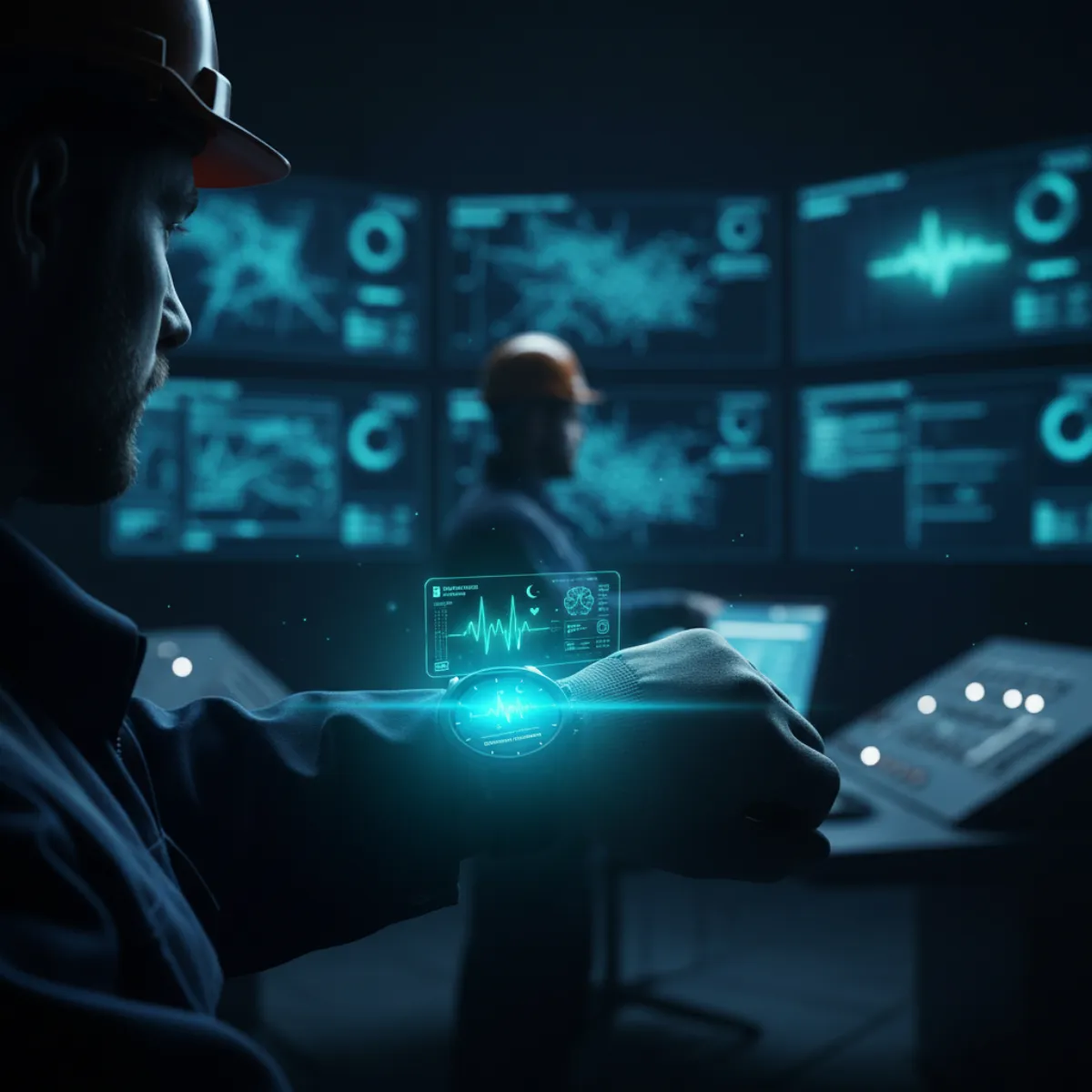
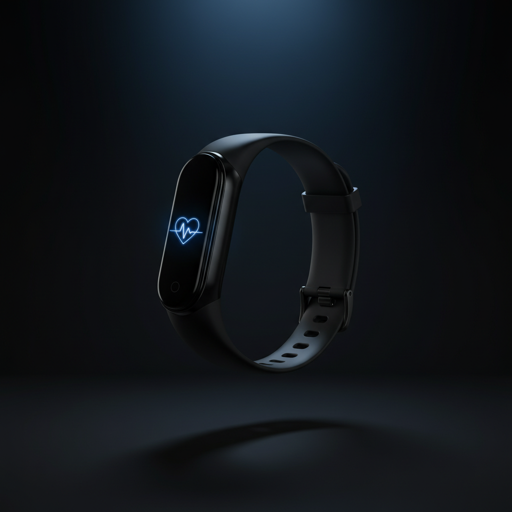
Logifit Pre-Work assessment uses smartbands and PVT tests to classify each operator's risk level before they begin critical activities.
Traditional Manual Controls
Include supervisor visual inspections, fatigue self-reports, and pre-shift checklists. Their effectiveness averages 12% real detection according to ICMM 2024 studies. (Source: Sleep Foundation — Shift Work Disorder)
The Secretary of Labor and Social Welfare (STPS) documents that 78% of companies implement only manual controls for fatigue management, resulting in late or null detection of critical drowsiness episodes.
Critical Data: SUNAFIL inspections reveal that 84% of fatigue-related accidents occurred in shifts with "approved manual controls" but without effective detection (SUNAFIL 2024).
Manual methods face three fundamental limitations in shift work operations:
- Subjective detection: Supervisors identify only advanced symptoms, missing 15-20 minute preventive window
- Discontinuous coverage: Monitoring limited to scheduled rounds, leaving 85% of shift unsupervised
- Biased self-reporting: 73% of operators hide fatigue symptoms due to fear of sanctions or wage loss
| Manual Method | % Detection | Response Time |
|---|---|---|
| Visual inspection | 8-15% | 12-18 min |
| Self-report | 23-31% | Variable |
| Checklist verification | 19-27% | Pre-shift only |
Continuous Digital Drowsiness Monitoring Technology Systems
Continuous drowsiness monitoring technology utilizes biometric sensors, computer vision, and machine learning algorithms to detect physiological patterns indicative of fatigue in real-time operations.
Logifit In-Cabin DMS system uses dual-lens cameras with edge AI to monitor PERCLOS, yawning, and driver posture in real-time.
Advanced Detection Technology
Combines PERCLOS analysis (percentage of eyelid closure), heart rate variability, and movement patterns to identify drowsiness 15-20 minutes before critical episodes with 94% accuracy.
Digital systems operate through three integrated monitoring layers:
- Pre-Work Monitoring: Smartbands analyze sleep phases and generate objective work fitness scoring
- In-Situ Detection: DMS cameras with AI detect microsleep in under 300ms with immediate alerts
- Predictive Analytics: ML platforms identify individual and group circadian risk patterns
Organizations implementing continuous technological monitoring achieve 89% reduction in drowsiness-related incidents, according to ICMM 2024 analysis in LATAM mining operations.
Key Fact: Logifit systems detect 94% of drowsiness episodes vs 12% for manual controls, with response time reduced from 15 minutes to 300 milliseconds.
Real Impact on Circadian Rhythm and Sleep Debt Management
Circadian rhythm in shift workers becomes altered by light-darkness desynchronization, generating cumulative sleep debt that manual controls cannot effectively measure or correct.
Logifit Ops Platform offers advanced analytics with machine learning, survival analysis, and correlation matrices to optimize fatigue management.
Cumulative Sleep Debt
Quantifiable deficit between individual sleep needs (7-9 hours) and actual sleep obtained. Accumulates day after day and is only reversible through scientifically monitored recovery.
Continuous biometric data reveals that 67% of night operators develop severe sleep debt (>3 deficit hours) during 14-day rotations, invisible to manual supervision.
Effectiveness differences between methods are evidenced in specific circadian metrics:
- REM alteration detection: Technology identifies 91% vs 0% manual
- Sleep debt quantification: Digital systems measure exact deficit vs subjective estimates
- Critical window prediction: AI predicts risk 2-4 hours in advance vs reactive manual detection
- Rotation personalization: Algorithms adjust shifts according to individual chronotypes vs generic rotations
NOM-035 and Decreto 1072 Compliance: Objective vs Subjective Controls
Mexican NOM-035-STPS and Colombian Decreto 1072 require "identification and analysis of psychosocial risk factors," including fatigue, but don't specify methodology, creating space for superior technological implementation.
Regulatory Objective Evidence
Quantified documentation of fatigue controls through biometric data, alert timestamps, and intervention metrics that satisfy STPS and labor ministry audit requirements.
STPS and SUNAFIL inspectors increasingly value objective evidence over manual records, especially after investigated accidents where traditional control failure is demonstrated.
| Regulatory Aspect | Manual Control | Tech Control |
|---|---|---|
| Traceability | Subjective records | Continuous timestamp data |
| Accident evidence | Testimonial statements | Video + biometrics |
| Continuous improvement | Generic plans | Personalized ML predictive |
| Implementation cost | $2-5 USD/worker/month | $8-15 USD/worker/month |
Enforcement Reality: STPS fines for "insufficient prevention systems" average $45,000 USD, while preventive technology investment costs $150-200/worker/year.
ROI and Practical Implementation in LATAM Markets
Implementation of technological drowsiness monitoring systems presents specific cost-benefit considerations for the Latin American economic context, where safety budgets operate under different budgetary constraints than OECD markets.
Scalable Implementation Model
Progressive deployment starting with critical operations (24x7) expanding to complete shifts according to demonstrated ROI, allowing gradual absorption of investment costs.
Comparative economic analysis demonstrates clear advantages of technological monitoring:
- Accident cost reduction: Average $127,000 USD per avoided incident vs $150-200/worker/year investment
- Rotation optimization: 23% reduction in overtime hours through better circadian planning
- Absenteeism reduction: 31% fewer lost days due to early-diagnosed chronic fatigue
- Insurance premiums: 15-25% reduction in policy costs with technological control evidence
Peruvian mining companies report 340% ROI within 18 months after implementing digital fatigue monitoring vs exclusively manual controls, according to IIMP 2024 analysis.
The difference between detecting fatigue and predicting it marks the frontier between reactive compliance and effective proactive prevention
— Eng. Ana Rodriguez, Mining Safety SpecialistFor LATAM markets, implementation strategy must consider:
- Gradual financing: Technology leasing vs purchase allows investment distribution over 24-36 months
- Local training: Regional technician training reduces support costs 40-60%
- Local ERP integration: Compatibility with SAP, Oracle, Mexican/Colombian/Peruvian accounting systems
- 24/7 Spanish support: Regional response centers reduce technical resolution times
Evaluate Your Current Drowsiness Control System
Compare the effectiveness of your current manual controls with proven continuous detection technology. Logifit offers free regulatory GAP analysis and projected ROI for LATAM operations.
Request Evaluation →Conclusions: Technology as Competitive Advantage in Fatigue Management
Comparative evidence demonstrates technical, economic, and regulatory superiority of technological systems over manual controls for drowsiness management in shift work under LATAM regulations.
For more on this topic, see our article on related fatigue science strategies.
Manual systems, while meeting minimum NOM-035 and Decreto 1072 requirements, operate with limited effectiveness (12% detection) that converts them into formal compliance without real protection. Continuous monitoring technology reaches 94% effective detection, reducing incidents 89% and generating positive ROI in 18-24 months.
Strategic Decision
The choice between manual and technological controls defines whether the organization operates in minimum compliance or leads in effective prevention, with direct implications for competitiveness and operational sustainability.
For organizations managing sleep debt and circadian alterations in their teams, technology investment represents not expense but protection of human assets and operational continuity. The effectiveness difference (8:1) justifies migration toward digital systems as modern industry standard.
Drowsiness management evolves from reactive control toward proactive prediction, positioning technology as competitive differentiator in markets where operational safety determines long-term business viability.