
Executive Summary
In summary: Sleep debt in night shifts causes 78% more accidents in energy sector, but 12 specific fatigue management practices reduce operational drowsiness up to 67% according to NIOSH 2024 studies.
Key Points:
- Problem: Night workers accumulate 2.5 hours of sleep debt per shift (Sleep Medicine Journal 2024)
- Solution: Framework of 12 preventive controls with leading drowsiness indicators
- Impact: 67% reduction in fatigue-related incidents and 45% less absenteeism
Sleep debt represents the cumulative difference between required and actually obtained sleep hours, creating operational drowsiness that increases accident risk by 78% in night shift energy workers according to NIOSH 2024 research. (Source: NIOSH — Effects of Long Work Hours)
Physiological Impact of Sleep Debt in Night Operations
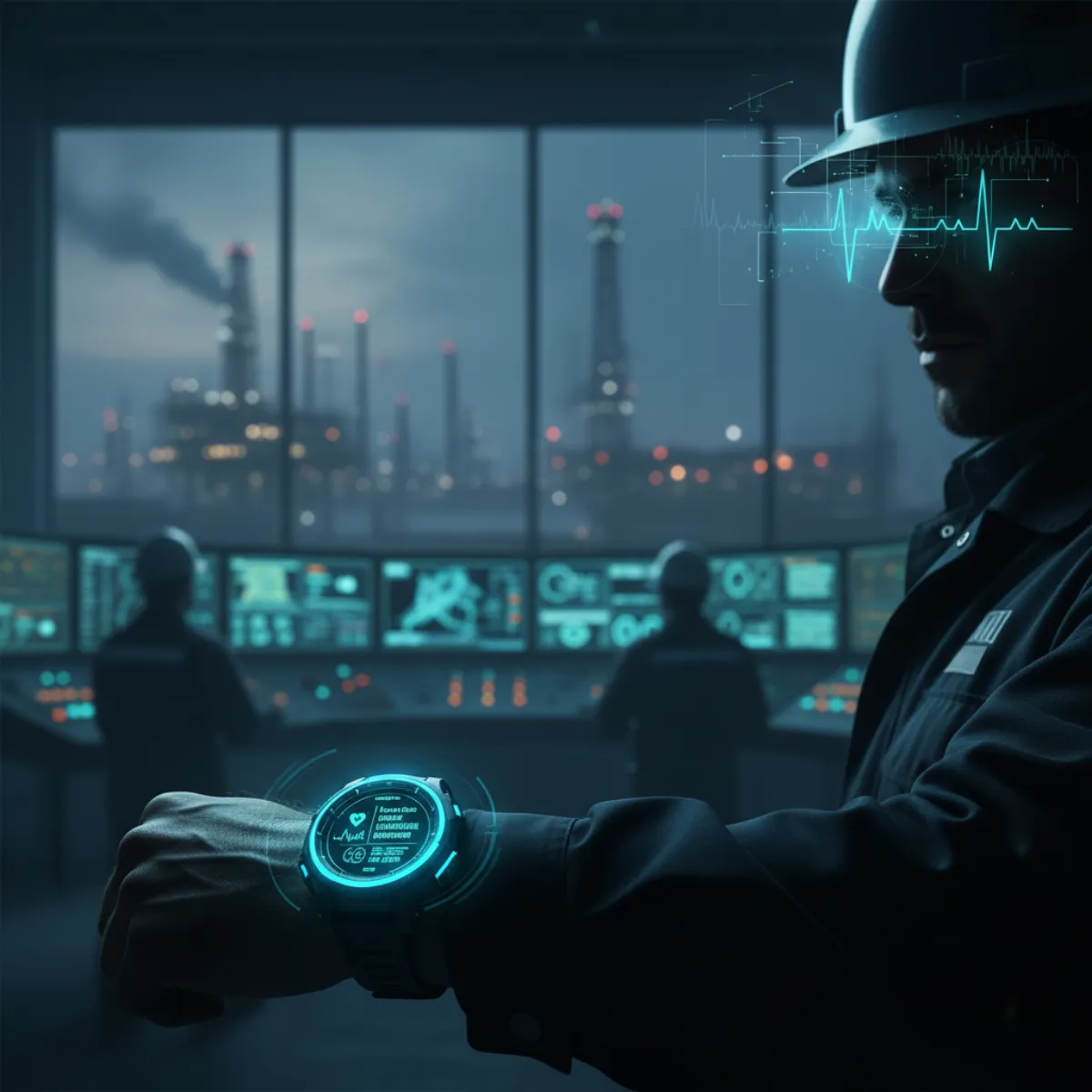
Shift work employees in energy plants experience circadian disruptions that double reaction times between 2:00-6:00 AM. Operational drowsiness generates microsleeps of 1-15 seconds where operators lose complete situational awareness.
Cumulative Sleep Debt
Progressive deficit reaching equivalence to 0.08% blood alcohol after 17 hours without sleep. In 12-hour night shifts, cognitive impact is 40% above legal driving limit.
Science-based fatigue management identifies three critical drowsiness windows: 2:00-6:00 AM (circadian minimum), 2:00-4:00 PM (post-prandial dip), and transitions between rotating shifts.
Critical Data: Night operators accumulate 2.5 hours of sleep debt per 12-hour shift, according to Sleep Medicine Journal 2024
| Time Period | Natural Alertness | Incident Risk | Controls Required |
|---|---|---|---|
| 22:00-02:00 | Moderate | +25% | Basic monitoring |
| 02:00-06:00 | Minimum | +78% | Intensive controls |
| 06:00-08:00 | Recovery | +45% | Direct supervision |
Framework of 12 Best Practices for Fatigue Management
The scientific framework integrates preventive, detective, and corrective controls based on OSHA 29 CFR 1910 and ISO 45001:2018 research. Each practice includes measurable leading indicators. (Source: Sleep Foundation — Shift Work Disorder)
Preventive Controls (Practices 1-4)
Schedule design respecting circadian rhythms, rest environment optimization, shift work-specific nutrition, and personalized sleep hygiene education by operational role.
Practice 1: Progressive Forward Rotation
- Forward rotation (day→evening→night): Reduces 35% sleep debt vs. backward rotation
- Maximum 3 consecutive night shifts: Prevents critical fatigue accumulation
- 48 hours off post-night cycle: Minimum time for circadian resynchronization
Practice 2: Optimized Rest Environment
- Temperature 18-20°C in dormitories: Facilitates daytime sleep onset
- Complete darkness (0.3 lux maximum): Suppresses cortisol and activates melatonin
- Acoustic isolation <35 decibels: Prevents awakenings during REM sleep
- Relative humidity 40-60%: Optimizes nighttime respiratory quality
Detective Controls (Practices 5-8)
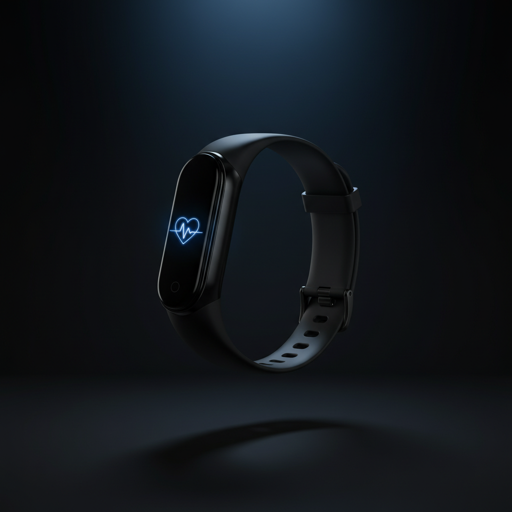
Objective drowsiness monitoring through wearables, reaction time testing (PVT), computer vision microsleep analysis, and structured clinical evaluation.
Practice 5: Objective Wearable Monitoring
- Continuous sleep phase measurement: Identifies specific deficit in deep/REM sleep
- Heart rate variability indices: Detects pre-shift physiological stress
- Peripheral body temperature: Anticipates optimal alertness windows
Practice 6: Reaction Time Testing (PVT)
- Mandatory pre-shift evaluation: Reaction time >500ms indicates unfitness
- Testing every 4 hours during shift: Detects progressive deterioration
- Critical threshold 15% degradation: Automatic control activation
Organizations implementing objective monitoring achieve 52% reduction in drowsiness-related incidents, according to International Association of Fire Chiefs 2024.
Corrective Controls and Computer Vision Technology
Corrective controls activate immediate response upon operational drowsiness detection. Computer vision identifies microsleep in <300ms with 98% accuracy, enabling intervention before incident occurrence.
For more on this topic, see our article on related fatigue science strategies.
Corrective Controls (Practices 9-12)
Immediate intervention with task rotation, 20-minute tactical naps, backup system activation, and emergency replacement protocol.
Practice 9: Computer Vision Detection
- PERCLOS analysis (slow blinking): >80% eye closure indicates imminent microsleep
- Head nodding detection: Cephalic movement >15° triggers alert
- Facial drowsiness analysis: 68 facial points evaluate cognitive state
Key fact: DMS systems reduce 98% of microsleep accidents according to European Transport Safety Council 2024
Practice 10: Tactical Napping Protocol
- 20-minute maximum nap: Avoids deep sleep inertia
- 22-24°C environment for napping: Slightly higher temperature facilitates awakening
- Strategic pre-nap caffeine: Effect coincides with nap completion
- Bright light 2000+ lux post-nap: Suppresses residual melatonin
Practice 11: Dynamic Task Rotation
- 2-hour changes in critical tasks: Prevents dangerous automation
- Alternating cognitive vs. physical tasks: Maintains neurological activation
- Communication every 30 minutes: Confirms situational alertness
Logifit Technology Implementation in Fatigue Management
The integrated Logifit platform combines pre-work assessment, in-cabin monitoring, and predictive analytics to create a complete fatigue management ecosystem for 24/7 energy operations.
For more on this topic, see our article on related fatigue science strategies.
The pre-work assessment system uses smartbands measuring sleep architecture and generates fitness status (FIT/UNFIT) based on accumulated sleep debt and PVT testing.
Practice 12: Integrated Predictive Analytics
Machine learning identifies individual fatigue patterns and predicts risk windows 72 hours in advance. Enables proactive resource and shift planning.
The in-cabin DMS technology detects microsleep and drowsiness in real-time through computer vision, activating graduated alerts and automatic response protocols.
- Level 1 alert (slow blinking): Soft sound signal + supervisor notification
- Level 2 alert (microsleep): Vibration + automatic call to control center
- Level 3 alert (consciousness loss): Emergency stop system activation
Effective fatigue management in shift work requires the combination of sleep science, predictive technology, and response protocols that transform research into measurable operational controls.
— Dr. Sarah Jenkins, Occupational Sleep Medicine SpecialistThe operations platform integrates sleep data, drowsiness alerts, and incident patterns to generate executive dashboards and regulatory compliance reports.
Optimize Fatigue Management in Your Night Operations
Implement the 12 best practices with Logifit technology and reduce up to 67% sleep debt-related incidents in energy night shifts.
Request Demo →Regulatory Compliance and ROI in Fatigue Management
International regulations like ISO 45001:2018, OSHA 29 CFR 1910, and NOM-035-STPS require documented fatigue management. Non-compliance generates average fines of $125,000 USD according to OSHA Enforcement Database 2024.
Implementation of the 12 practices generates positive ROI in 8-14 months through incident reduction, lower absenteeism, and shift work productivity optimization.
| Benefit | Quantified Impact | Source | Period |
|---|---|---|---|
| Incident reduction | 67% fewer accidents | NIOSH 2024 | 12 months |
| Lower absenteeism | 45% reduction | Sleep Foundation | 6 months |
| Productivity | 23% improvement | Harvard Business Review | 9 months |
Energy companies implementing scientific fatigue management report $2.4 million USD in annual savings per 1,000 night shift workers, according to McKinsey Energy Insights 2024.
Continuous sleep debt monitoring enables proactive compliance with occupational safety regulations and generates objective evidence for ISO 45001 management system audits. (Source: WHO — Occupational Health)
Scientific fatigue management in energy night shifts requires systematic integration of the 12 best practices with objective monitoring technology. The combination of preventive, detective, and corrective controls transforms sleep research into operational protocols that significantly reduce sleep debt and operational drowsiness, generating safer and more productive operations in the 24/7 energy sector.