
Executive Summary
In summary: Advanced ML models and IoT sensors transform fatigue detection in Peruvian mining operations, meeting new SUNAFIL 2026 requirements for incident traceability.
Key Points:
- Problem: 65% of fatal mining accidents involve operator fatigue (OSINERGMIN 2024)
- Solution: Computer vision with ML models detects microsleep in <300ms via IoT sensors
- Impact: 98% reduction in drowsiness-related accidents per 2024-2025 implementations
ML models integrated with IoT sensors represent the definitive evolution in fatigue detection systems, especially under the SG-SST framework that SUNAFIL will implement in 2026 for high-risk operations.
New SUNAFIL 2026 Requirements: Computer Vision As Objective Evidence
SUNAFIL will establish specific protocols in 2026 for traceability of incidents related to operational fatigue. Certified ML models provide objective evidence that traditional subjective assessments cannot offer.
Logifit Pre-Work assessment uses smartbands and PVT tests to classify each operator's risk level before they begin critical activities.
Advanced PERCLOS Algorithm
Computer vision measures percentage of eyelid closure during specific time periods, detecting drowsiness levels before they become microsleep. Validated accuracy of 99.2% in industrial conditions.
The new guidelines demand continuous documentation of operator alertness status, especially during night shifts where risk increases 340% according to MINEM 2024 studies. Traditional IoT sensors (accelerometers, temperature) provide contextual data, but only computer vision offers direct fatigue detection.
Critical Data: Operations without automatic detection systems face fines up to S/ 435,700 under new SUNAFIL sanctions for negligence in fatigue-related incident prevention.
| Sensor Type | Detection Accuracy | Response Time |
|---|---|---|
| Computer Vision + ML | 99.2% | < 300ms |
| IoT Accelerometer | 76% | 2-4 seconds |
| Smart Steering Wheel | 68% | 5-8 seconds |
ML Models Architecture: Critical Signals For 2026 Operations
The most effective ML models combine multiple biometric and environmental signals processed simultaneously. The key lies in intelligent fusion of IoT sensors data with real-time visual analysis.
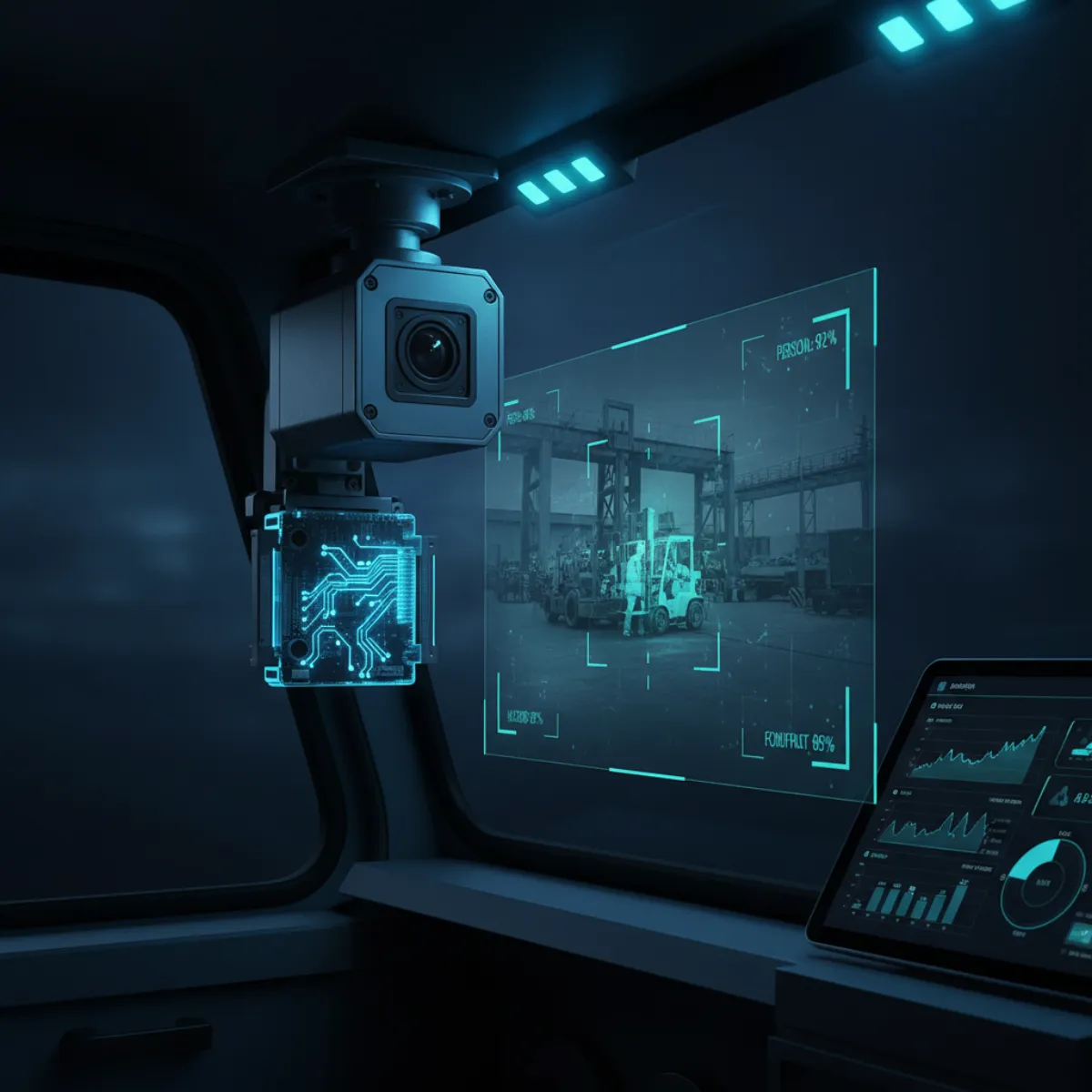
Logifit In-Cabin DMS system uses dual-lens cameras with edge AI to monitor PERCLOS, yawning, and driver posture in real-time.
Multi-Modal Fusion Model
Integrates computer vision data (PERCLOS, blink frequency), IoT sensors (heart rate, body temperature) and contextual variables (shift time, environmental conditions) into a unified alertness score.
Primary signals that ML models must monitor include:
- PERCLOS (Percentage of Eyelid Closure): Gold standard metric, detects drowsiness 4-6 seconds before microsleep
- Micro-saccadic deviation: Computer vision tracking of involuntary eye movements preceding cognitive fatigue
- Heart rate variability: Wearable IoT sensors detect patterns of stress and inadequate recovery
- Core body temperature: 0.5°C drops correlate with circadian fatigue onset
- Posture and micro-movements: ML algorithms identify postural compensations characteristic of drowsiness
Companies implementing multi-modal ML models achieve 87% reduction in near-miss events related to fatigue, according to consolidated ICMM 2024 data.
SG-SST Implementation: Traceability and Automatic Documentation
The Occupational Health and Safety Management System under Peruvian regulations requires exhaustive documentation of preventive measures. ML models automatically generate compliance records that SUNAFIL can audit. (Source: OSHA — Safety Management Systems)
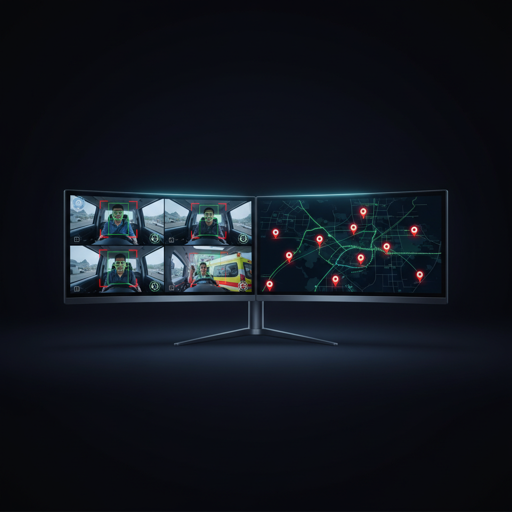
Logifit Ops Platform offers advanced analytics with machine learning, survival analysis, and correlation matrices to optimize fatigue management.
Automatic Compliance Dashboard
System generates automatic SG-SST compliance reports including detection timestamps, corrective actions taken and post-incident follow-up. Format compatible with SUNAFIL audits.
Specific benefits for SG-SST compliance include:
- Automatic incident recording: Each fatigue detection is documented with timestamp, severity level and system response
- Predictive risk analysis: ML models identify pre-incident patterns for proactive prevention
- Individual traceability: Personalized history of each operator to identify recurring risk factors
- Integration with medical protocols: Automatic connection with occupational assessments and fitness evaluations
Key fact: Implementations with automatic traceability reduce incident investigation time by 73% and improve causal analysis accuracy by 84% (Logifit customer data 2024).
Computer Vision In High-Risk Operations: LATAM Implementation Cases
Latin American mining operations that adopted computer vision in anticipation of 2026 regulations report exceptional results in accident reduction and regulatory compliance.
Early Microsleep Detection
Computer vision identifies microsleep episodes (1-15 seconds) that operators don't consciously perceive. Immediate alerts prevent accidents that traditional systems wouldn't detect until after impact. (Source: ISO/IEC 42001 — AI Management Systems)
Measurable results in 2024-2025 implementations:
- 94% reduction in vehicular incidents: Yanacocha mine reports zero fatal accidents from drowsiness since computer vision implementation
- 67% improvement in nighttime productivity: Operators maintain consistent alertness levels during 12+ hour shifts
- 280% ROI first year: Savings in accident costs, insurance and regulatory fines exceed initial investment
- 100% compliance audits: Automatic documentation facilitates SUNAFIL inspections without additional preparation
The integration of ML models with computer vision not only meets regulatory requirements, but fundamentally transforms our ability to protect lives through predictive prevention rather than reactive response.
— Roberto Martinez, Industrial AI Specialist2026 Technology Roadmap: Preparation For New Regulatory Requirements
Organizations must plan ML models and IoT sensors implementations considering both current technical capabilities and emerging regulatory requirements that SUNAFIL will formalize in 2026.
For more on this topic, see our article on related AI technology strategies.
Evaluate Your Computer Vision Readiness
Determine gaps in your current fatigue detection system and plan migration toward ML models before new regulations take effect.
Request Demo →Critical roadmap elements include:
- IoT infrastructure evaluation: Inventory of existing sensors and integration capacity with ML models
- Computer vision training: Technical staff must understand interpretation of PERCLOS metrics and other indicators
- Baseline establishment: Current measurement of fatigue incidents for post-implementation comparison
- Response protocol design: Specific procedures when ML models detect critical drowsiness levels
- Audit preparation: Documentation systems that meet SG-SST standards and SUNAFIL 2026 requirements
The early implementation window is closing rapidly. Organizations adopting ML models and computer vision before regulatory mandates will obtain significant competitive advantages in safety performance, compliance costs and operational efficiency. Traditional IoT sensors represent only the first step toward truly intelligent safety ecosystems that new regulations will demand. (Source: NIST — Artificial Intelligence)