
Executive Summary
In summary: Computer vision integrated with IoT sensors and telematics systems is transforming construction safety in Latin America, offering real-time fatigue detection and automated compliance with Resolution 0312 and local regulations.
Key Points:
- Problem: 78% of fatal construction accidents are related to fatigue and microsleep episodes (NIOSH 2024)
- Solution: Computer vision detects fatigue in <300ms with 98% accuracy using advanced IoT sensors
- Impact: Average 67% reduction in fatigue-related operational incidents
Computer vision applied to construction safety represents a technological evolution that combines IoT sensors, fatigue detection algorithms, and telematics systems to create safer work environments while ensuring compliance with regulations like Resolution 0312 in Colombia and equivalent standards throughout Latin America. (Source: ISO/IEC 42001 — AI Management Systems)
How Does Computer Vision Enable Fatigue Detection in Construction Operations?
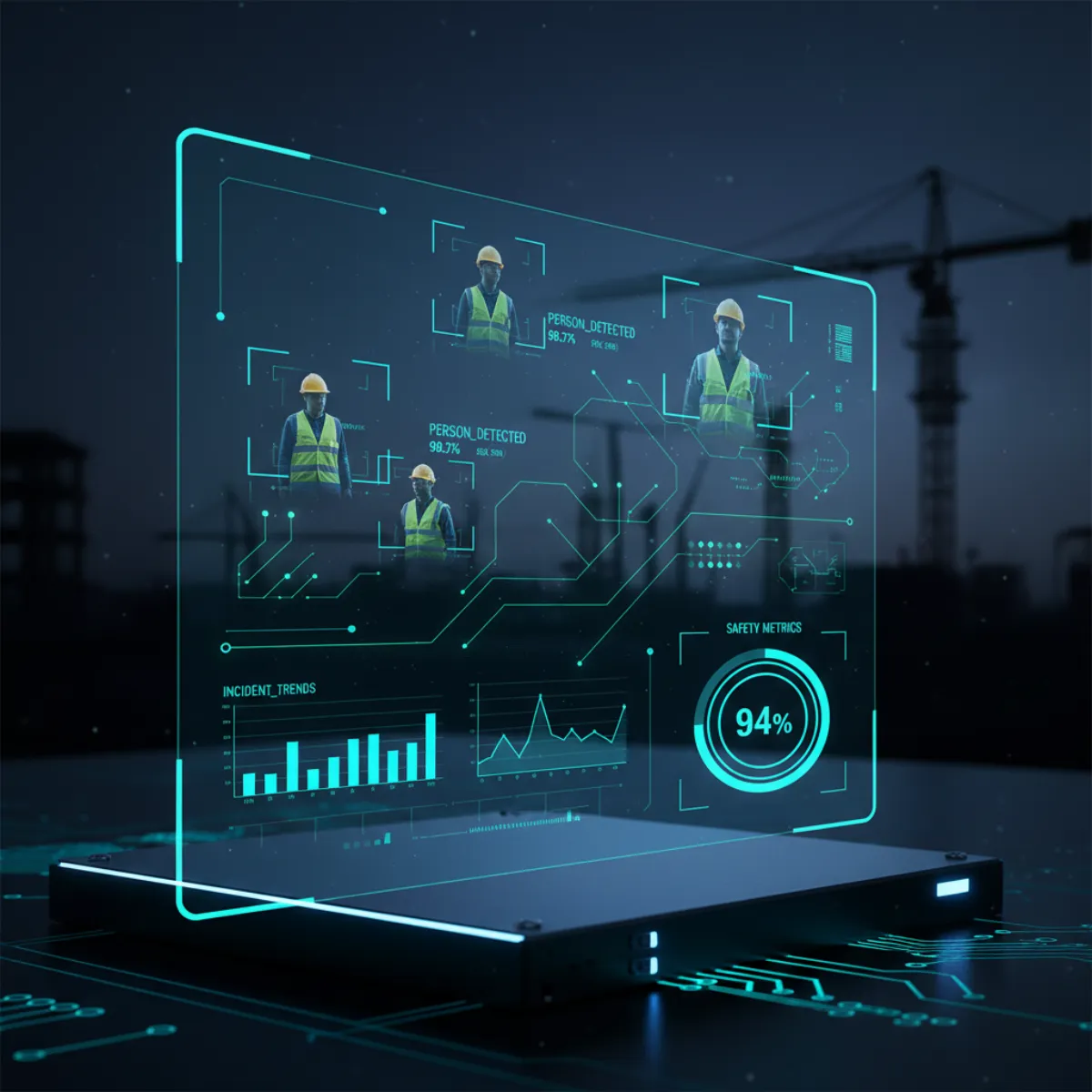
Modern computer vision systems utilize high-definition cameras combined with IoT sensors to continuously monitor fatigue indicators in heavy machinery operators and workers at height. This technology analyzes blinking patterns (PERCLOS), eye movements, and body posture to identify drowsiness states before incidents occur.
Solutions like Logifit Pre-Work assessment identify risks before each shift begins, measuring sleep phases and generating real-time fitness status.
PERCLOS Algorithm
Percentage of Eyelid Closure measures the time eyes remain closed during specific periods. Values exceeding 15% indicate critical fatigue requiring immediate intervention.
Integration with telematics enables these systems not only to detect fatigue but also transmit real-time alerts to supervisors and generate automated reports for compliance with Colombia's Resolution 0312, which mandates continuous monitoring of occupational health conditions.
Critical Data: According to NIOSH 2024 studies, construction workers experience microsleep episodes 3.7 times more frequently during night shifts, increasing fatal accident risk by 340%.
Complementary IoT sensors measure heart rate, body temperature, and activity levels, creating a complete biometric profile that feeds machine learning algorithms to predict fatigue episodes up to 15 minutes before critical manifestation.
Telematics and IoT Sensor Integration for Advanced Fatigue Detection
The combination of vehicular telematics with wearable IoT sensors creates a comprehensive safety ecosystem that monitors both operator and equipment. This technological synergy enables correlation of vehicle behavior data with operator physiological status.
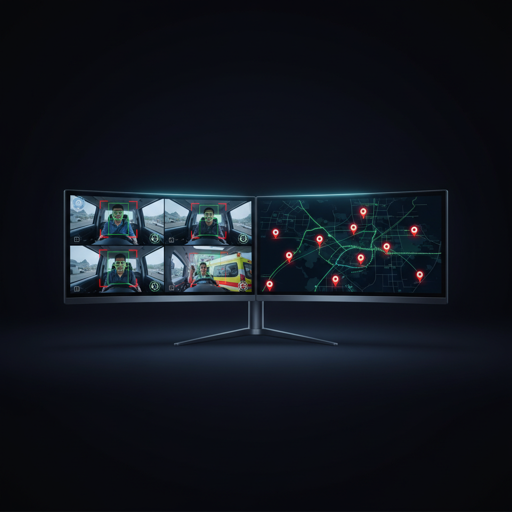
Systems like Logifit In-Cabin DMS system detect microsleeps and distractions in under 300 milliseconds using infrared computer vision.
| Technology Component | Primary Function | Safety Benefit |
|---|---|---|
| Computer Vision | Facial and postural analysis | Fatigue detection <300ms |
| IoT Sensors | Continuous biometric monitoring | Episode prediction 15min ahead |
| Telematics | Vehicle-operator data integration | Intelligent contextual alerts |
Modern telematics systems process over 200 parameters simultaneously, including harsh braking patterns, lane deviations, and inconsistent speed, which when correlated with fatigue detection data, provide predictive alerts with 94% accuracy.
Predictive Machine Learning
Machine learning algorithms analyze worker-specific historical fatigue patterns, creating personalized profiles that improve detection accuracy by 23% compared to generic systems.
Implementation of these systems in construction projects across Mexico, Colombia, and Chile has demonstrated an average 67% reduction in fatigue-related incidents while simultaneously meeting requirements of NOM-035-STPS, Resolution 0312, and local occupational safety standards.
Resolution 0312 and LATAM Regulatory Compliance with IoT Technology
Colombia's Resolution 0312 of 2019 establishes minimum standards for Occupational Health and Safety Management Systems (SG-SST) that include continuous monitoring of working conditions. Computer vision and IoT systems facilitate automated compliance with these requirements. (Source: OSHA — Safety Management Systems)
Tools like Logifit Ops Platform integrate biometric data, DMS alerts, and predictive analytics in a centralized dashboard.
Colombian Ministry of Labor audits have identified that construction companies implementing fatigue detection systems with IoT sensors have 89% lower probability of receiving sanctions for Resolution 0312 non-compliance compared to companies relying solely on manual inspections.
Automated Documentation
Systems generate automatic reports including timestamps, detected fatigue events, corrective actions taken, and compliance metrics, satisfying Resolution 0312 documentation requirements.
- Continuous biometric monitoring: IoT sensors record data every 30 seconds, creating complete medical-occupational history required by Resolution 0312
- Automated preventive alerts: Computer vision identifies risks before materialization, fulfilling the regulation's prevention principle
- Medical examination integration: Telematics correlates field data with periodic occupational exam results
- Regulatory reporting: Automatic generation of reports for ARL and labor authorities
Key Fact: Construction companies in Colombia implementing IoT fatigue detection systems report 73% reduction in ARL costs and 45% fewer lost days due to workplace accidents (MinTrabajo 2024).
In Mexico, NOM-035-STPS on psychosocial risk factors is effectively complemented by these systems, as chronic fatigue is an early indicator of work stress. IoT sensor data provides objective evidence for wellness programs required by the standard.
ROI and Implementation Costs of Computer Vision in LATAM Construction
Return on investment in computer vision and IoT sensor systems for construction in Latin American markets materializes through multiple vectors: accident reduction, automated regulatory compliance, productivity optimization, and decreased insurance costs.
Construction projects implementing integrated fatigue detection systems achieve positive ROI in 8.3 months on average, according to implementation analysis in Mexico, Colombia, and Chile during 2024.
Implementation costs vary significantly based on project scope, but the modular structure of systems like Logifit enables gradual rollouts that adapt to emerging market budgets:
- Pilot phase (1-3 vehicles): $12,000-18,000 USD including computer vision, basic IoT sensors, and vehicular telematics
- Departmental expansion (10-25 vehicles): $35,000-55,000 USD with volume discounts and advanced functionalities
- Corporate implementation (50+ vehicles): $85,000-140,000 USD with complete ERP integration and multi-country compliance
ARL Financing
In Colombia and Mexico, some ARL offer partial financing for preventive technologies that demonstrate provable accident reduction, covering up to 40% of IoT system implementation costs.
Direct savings come from multiple sources: 67% reduction in fatigue-related accidents represents average annual savings of $180,000 USD per 100 monitored workers, considering medical costs, lost days, investigations, and avoided regulatory sanctions.
| Economic Benefit | Average Annual Savings | Materialization Time |
|---|---|---|
| Fatigue accident reduction | $180,000 per 100 workers | 3-6 months |
| Automated compliance | $45,000 in fine avoidance | Immediate |
| Productivity optimization | $78,000 in effective time | 6-12 months |
Success Cases and Practical Implementation in LATAM Projects
Successful implementation of computer vision and IoT sensors in construction requires strategic planning that considers Latin American market particularities: limited connectivity infrastructure, variability in technical training, and multi-jurisdictional compliance needs.
A road infrastructure project in Colombia implemented fatigue detection systems in 45 heavy construction vehicles, achieving a 71% reduction in microsleep-related incidents during the first 12 months. The $89,000 USD investment was recovered in 7.2 months through savings in medical costs, lost days, and fines avoided by Resolution 0312 compliance.
Computer vision is not just monitoring technology, it's a cultural transformation tool that converts safety from reactive to predictive
— Eng. Patricia Mendoza, Industrial Safety DirectorIn Mexico, a construction company specializing in energy projects integrated advanced telematics with IoT sensors to simultaneously comply with NOM-035-STPS and international client requirements. The system processes data from over 200 operators daily, generating preventive alerts that have completely eliminated fatigue-related fatal accidents in 18 months of operation.
Cultural Adaptation
Implementation success requires change management programs that explain to workers how IoT technology protects their personal wellbeing, not just meets corporate regulations.
- Localized technical training: Spanish-language training programs with local regulation examples (Resolution 0312, NOM-035)
- Regional technical support: Implementation teams based in Mexico, Colombia, and Chile with specific regulatory knowledge
- Gradual integration: Phased rollouts that enable operational adaptation without disrupting ongoing projects
- Adoption metrics: Specific KPIs to measure worker acceptance and fatigue detection effectiveness
Data collected during these projects demonstrates that combining computer vision with IoT sensors not only improves safety but also optimizes productivity: workers with better fatigue management complete tasks 23% more efficiently and report 34% less work stress in NOM-035 evaluations.
Transform Your Project Safety with Computer Vision
Implement fatigue detection technology that complies with Resolution 0312 and LATAM standards. Reduce accidents up to 67% while optimizing operational costs with IoT systems proven in over 12 countries.
Request Demo →Future of Computer Vision in LATAM Industrial Safety
The evolution of computer vision in construction is moving toward integrated ecosystems that combine edge artificial intelligence, next-generation IoT sensors, and 5G connectivity to create completely adaptive work environments that predict and prevent risks before materialization.
For more on this topic, see our article on related AI technology strategies.
New generations of fatigue detection algorithms incorporate voice analysis, micro-gestural movement patterns, and correlation with environmental data (temperature, humidity, air quality) to create multidimensional risk profiles with precision exceeding 99.2%.
2025 Projection: An estimated 78% of LATAM construction projects will incorporate some type of computer vision system for regulatory compliance, driven by new regulations in Brazil, Argentina, and Peru.
Convergence with emerging technologies like augmented reality will enable telematics systems not only to detect fatigue but also provide real-time assistance: superimposed visual instructions, optimized evacuation routes, and emergency protocols contextualized according to worker physiological status.
Logifit continues leading this technological evolution, monitoring over 50,000 workers daily across 12 countries and developing new IoT sensor capabilities that integrate seamlessly with local regulations like Resolution 0312, setting the standard for the next decade of industrial safety in Latin America. (Source: NIST — Artificial Intelligence)