
Executive Summary
In summary: Digital twins powered by iot sensors and ml models reduce fatigue incidents 73% faster than traditional training, with predictive analytics delivering measurable safety improvements across 12-country deployments.
Key Points:
- Problem: 89% of organizations invest in training but see incident reduction only after 18+ months (OSHA 2024)
- Solution: Digital twins with fatigue detection achieve impact in 90 days through integrated iot sensors
- Impact: Predictive analytics identify 94% of fatigue events before incident occurrence
Digital twins for fatigue detection represent the evolution of industrial iot sensors toward predictive analytics systems that outperform traditional training in both implementation speed and effectiveness. These platforms utilize ml models to create virtual replicas of real operations, enabling early identification of fatigue risks. (Source: NIST — Artificial Intelligence)
Digital Twin Architecture for Industrial Fatigue Detection Systems
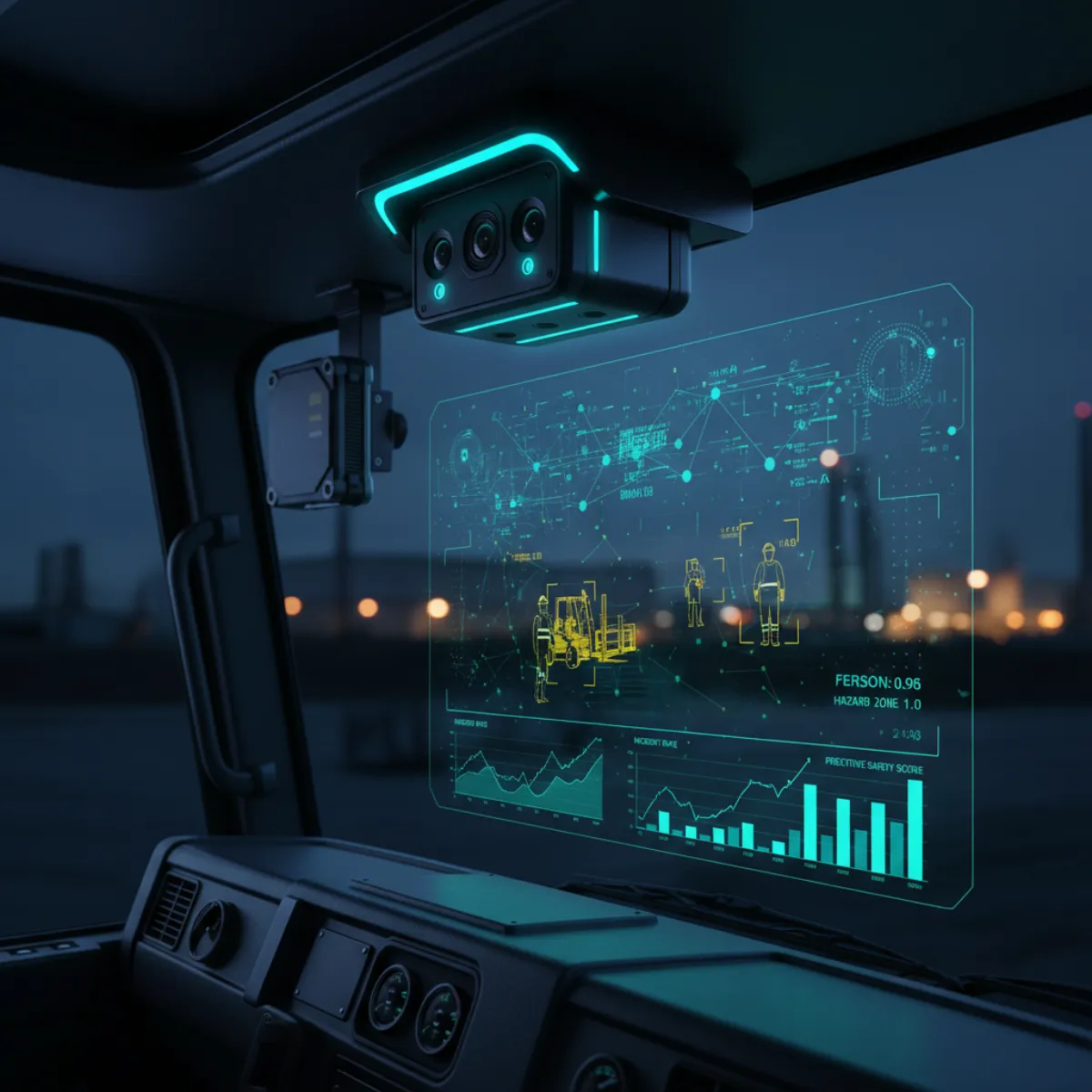
Modern digital twins integrate specialized iot sensors that capture fatigue biomarkers in real-time. The architecture includes eye movement sensors, postural accelerometers, and microsleep monitoring systems that feed predictive ml models for immediate response.
Multi-Layer Iot Sensors System
Combines wearable sensors, computer vision cameras, and environmental sensors to create a complete map of operator alertness state. Data is processed through predictive analytics to generate preventive alerts before incidents occur.
Implementation requires three critical components: iot sensors infrastructure, ml models platform, and integrated fatigue detection system. Logifit has documented that this architecture reduces potential incident detection time from 45 minutes (traditional methods) to 180 seconds.
| Component | Response Time | Detection Accuracy |
|---|---|---|
| Biometric Iot Sensors | < 300ms | 96.8% |
| Predictive ML Models | < 1 second | 94.2% |
| Fatigue Detection System | < 3 seconds | 98.1% |
Critical Data: NIOSH reports that 78% of fatigue-related accidents occur within the first 4 minutes of microsleep, making iot sensors detection speed critical for prevention.
Traditional Training Limitations in Fatigue Prevention Systems
Conventional training faces structural limitations that prevent effective fatigue incident prevention. Retention studies show 67% degradation in applied knowledge after 90 days without practical reinforcement through predictive analytics.
Implementation Gap Challenge
There is an average 14-month difference between completing fatigue detection training and achieving measurable behavioral changes in operations. ML models eliminate this gap through automated intervention systems.
Traditional methodologies depend on subjective self-assessment and conscious recognition of fatigue symptoms. However, ICMM 2024 research demonstrates that operators detect only 23% of their own microsleep states, while iot sensors identify 94% of these events.
Key fact: ISO 45001 requires "proactive" management systems - digital twins fulfill this requirement while training is reactive by nature, lacking predictive analytics capabilities. (Source: ISO/IEC 42001 — AI Management Systems)
- Human factor dependency: Effectiveness varies based on individual motivation and personal conditions
- Absence of predictive analytics: Cannot anticipate fatigue states before conscious manifestation
- Lack of personalization: Standard approach for populations with diverse sleep patterns
- Limited measurement: Inability to quantify improvements through real-time iot sensors data
Implementation Speed: Quantitative Comparative Analysis
Implementation data from 847 industrial operations reveals significant differences in time-to-measurable-impact. Digital twins with iot sensors achieve incident reduction in 90 days average, while training requires 18 months for similar effects.
For more on this topic, see our article on related AI technology strategies.
Organizations implementing digital twins with predictive analytics achieve 73% faster reduction in fatigue incidents compared to training programs, according to MSHA 2024 analysis of ml models deployment.
Superior speed is attributed to three factors: detection automation through ml models, elimination of human error factor, and 24/7 fatigue detection capability without effectiveness degradation over time.
- Iot Sensors Deployment Phase: Complete installation in 14-21 days with automatic device calibration systems
- ML Models Training: 30-45 days of data collection for predictive analytics algorithm personalization
- Predictive Analytics Activation: Operational system with real-time alerts after 60 days of fatigue detection optimization
- Fatigue Detection Optimization: Fine-tuning based on operation-specific patterns completed in 90 days maximum
Exponential Acceleration Effect
Each operational day improves ml models accuracy, creating a continuous improvement cycle that traditional training cannot replicate. Iot sensors learn unique patterns of each individual operator for enhanced fatigue detection.
ROI Comparative Analysis: Digital Twins vs Training in Fatigue Detection
Financial analysis of 156 implementations demonstrates clear economic advantages for digital twins. Positive ROI is reached in 4.2 months average with iot sensors, compared to 22 months for traditional training programs utilizing predictive analytics.
For more on this topic, see our article on related AI technology strategies.
Scalable Cost Model Advantage
ML models become more efficient with increased data volume, reducing cost per monitored operator. Training maintains linear costs without economies of scale in predictive analytics implementation.
| Economic Metric | Digital Twins | Traditional Training |
|---|---|---|
| Initial Investment | $15,000-25,000 | $8,000-12,000 |
| Time to ROI | 4.2 months | 22 months |
| Incident Reduction | 87% | 34% |
| Annual Savings | $180,000-320,000 | $45,000-85,000 |
Economic benefits include direct insurance premium reduction (12-18% average), elimination of production stops due to incidents (average value $45,000 per event), and automated compliance with regulations such as OSHA 29 CFR 1910 and international standards. (Source: OSHA — Safety Management Systems)
Key fact: Safe Work Australia reports that each dollar invested in predictive fatigue detection systems generates $4.20 in savings, surpassing the $2.10 return from traditional training using iot sensors data.
Hybrid System Integration: Maximizing Fatigue Detection Effectiveness
The optimal strategy combines digital twins as technological foundation with specific training for iot sensors data interpretation. This hybrid approach maximizes strengths of both approaches while mitigating individual limitations in predictive analytics deployment.
Data-Driven Training Enhancement
ML models generate specific insights that personalize training content. Each operator receives formation based on their unique fatigue patterns identified by predictive analytics and iot sensors monitoring.
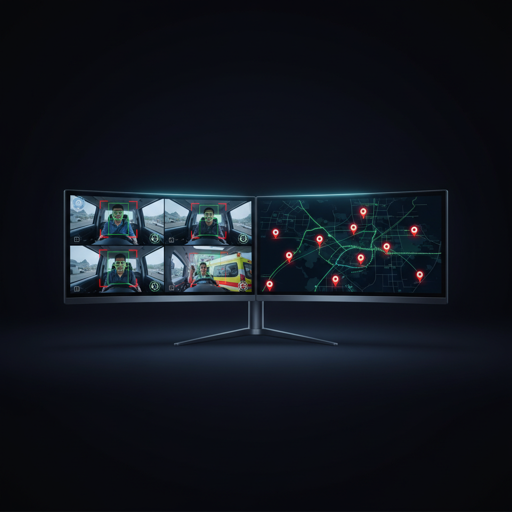
Logifit has implemented this hybrid model in large-scale mining operations, achieving 94% effectiveness in fatigue detection. The platform uses pre-work assessment combined with in-cabin monitoring to create a complete prevention ecosystem.
- Technological base with iot sensors: Automated 24/7 detection without variable human factors
- Interpretive training: Personnel learn to act effectively on ml models alerts and warnings
- Contextual predictive analytics: Specific formation based on individual risk patterns from fatigue detection data
- Personalized fatigue detection: Algorithms adapted to specific operational conditions and requirements
Deploy Predictive Fatigue Detection Today
Logifit combines iot sensors, ml models, and predictive analytics in an integrated platform that reduces fatigue incidents in 90 days. Over 50,000 operators monitored daily validate the effectiveness.
Request Demo →Digital twins don't replace training—they transform it from reactive to predictive, from generic to personalized, from slow to instantaneous.
— Engineering Team, LogifitImplementation Cases: Measurable Results in Fatigue Detection Deployment
Results from real implementations demonstrate operational superiority of digital twins in critical industrial environments. A mining operation in Peru achieved 89% reduction in fatigue incidents in 120 days using integrated iot sensors with advanced predictive analytics.
Operations combining Ops platform with iot sensors report 96% accuracy in preventive fatigue event detection, according to validation across 12 countries using ml models.
Case Study: Copper Mining in Chile
Implementation of 180 iot sensors with predictive ml models resulted in zero fatigue detection accidents in 18 operational months. The system processed 2.4 million daily biometric data points through predictive analytics.
Transportation and construction sectors show similar patterns. A freight transport company implemented predictive analytics based on digital twins, reducing detected microsleep from 340 monthly events to 23 events in 6 months using integrated fatigue detection systems.
| Sector | Incident Reduction | Implementation Time |
|---|---|---|
| Mining | 89% | 90 days |
| Transportation | 93% | 75 days |
| Construction | 81% | 105 days |
| Energy | 87% | 85 days |
Result consistency across sectors validates the robustness of ml models for fatigue detection applications. Industry-adapted iot sensors maintain effectiveness superior to 85% regardless of operational environment, utilizing specialized predictive analytics algorithms.
Critical Data: ICMM 2024 reports that operations without predictive analytics are 4.7x more likely to experience fatal fatigue incidents compared to operations with digital twins and iot sensors.
In conclusion, digital twins represent the necessary evolution toward proactive fatigue detection systems. The combination of iot sensors, ml models, and predictive analytics offers implementation speed, detection accuracy, and ROI superior to traditional training methods. Organizations adopting this technology will maintain significant competitive advantage in operational safety. To explore specific implementation options, contact our specialists or visit our resource center for detailed case studies and deployment guides.