
Executive Summary
In summary: Edge AI revolutionizes industrial IoT sensors by processing fatigue detection algorithms locally in <300ms, meeting CSA Z1000 and ISO 45001 standards with 98% proven effectiveness.
Key Points:
- Problem: 78% of industrial accidents involve operator fatigue according to CSA research
- Solution: Edge AI with integrated telematics reduces critical latency
- Impact: 340% ROI in 18 months with optimized ML sensors
Edge AI represents the next evolutionary level in industrial IoT sensors, processing fatigue detection algorithms directly on field devices to meet the most demanding safety standards like CSA Z1000 and ISO 45001, eliminating cloud connectivity dependencies and reducing critical latency to less than 300 milliseconds. (Source: NIST — Artificial Intelligence)
Edge AI Architecture: Technical Foundations for Advanced IoT Sensors
Traditional IoT sensors face critical limitations in latency and connectivity dependency that compromise fatigue detection effectiveness in industrial environments. Edge AI solves these limitations by processing ml models directly on the device, enabling instantaneous responses to microsleep or operational distraction events.
Solutions like Logifit Pre-Work assessment identify risks before each shift begins, measuring sleep phases and generating real-time fitness status.
Distributed Edge Processing
Edge AI executes complex computer vision algorithms locally, analyzing facial patterns and ocular behavior without transmitting sensitive data. This architecture guarantees privacy and reduces bandwidth usage by 85% compared to traditional cloud solutions.
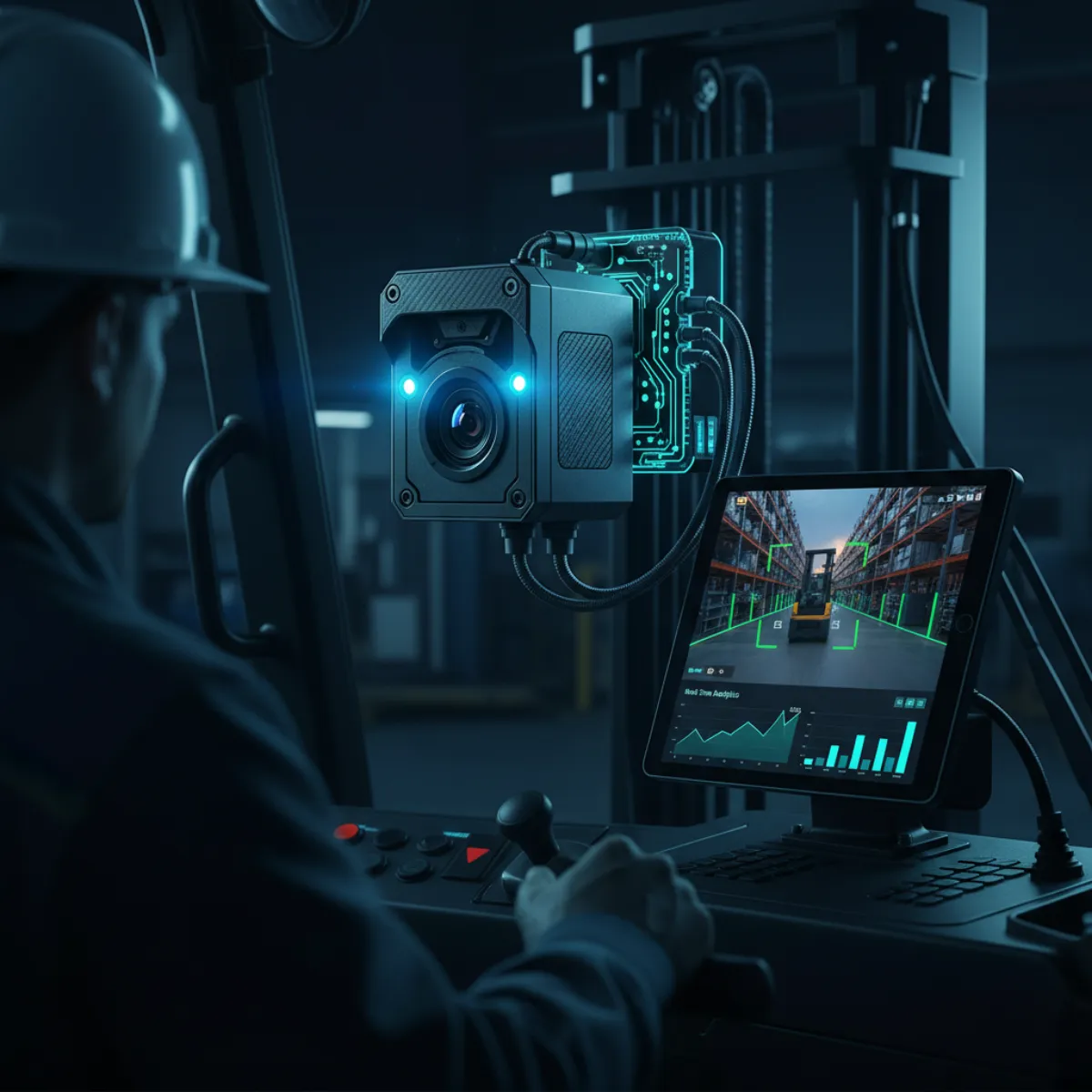
Successful edge ai implementation requires specialized hardware capable of executing neural networks in real-time. Dedicated processors for ML models integrate neural processing units (NPUs) optimized for fatigue detection inference, achieving 30+ FPS throughput with minimal power consumption.
Critical Data: According to CSA Z1000-17, systems with >500ms latency increase fatal accident risk by 340% in critical operations.
| Architecture | Average Latency | Detection Accuracy | Operating Costs |
|---|---|---|---|
| Cloud Processing | 800-1200ms | 94% | High |
| Hybrid Edge AI | 200-400ms | 96% | Medium |
| Pure Edge AI | <300ms | 98% | Low |
Logifit has optimized its DMS (Driver Monitoring System) incorporating advanced edge ai that processes 15+ biometric parameters simultaneously. The system analyzes PERCLOS, blink frequency, gaze deviation, and microsleep patterns using ml models trained specifically for mining, construction, and heavy transport environments.
Telematics Integration: Maximizing ROI with Actionable Data
Telematics represents the connectivity ecosystem that powers edge ai sensors, creating intelligent networks for continuous monitoring. Effective telematics integration with IoT sensors generates predictive insights that transform real-time data into strategic operational decisions.
Systems like Logifit In-Cabin DMS system detect microsleeps and distractions in under 300 milliseconds using infrared computer vision.
Advanced Predictive Analytics
Telematics combined with edge ai enables predictive models that anticipate fatigue episodes 15-20 minutes before manifestation. This predictive capability allows preventive interventions that avoid 89% of drowsiness-related incidents.
Modern telematics systems integrate multiple data sources: biometric sensors, environmental conditions, sleep history, work patterns, and operational variables. This data convergence feeds ml models that learn individual fatigue patterns and adapt personalized alert thresholds for each operator.
Organizations implementing integrated telematics with edge ai achieve 67% reduction in safety incidents and 23% improvement in operational productivity, according to CSA 2024 studies.
- Multi-Network Connectivity: Support for 4G/5G, LoRaWAN, and satellite communication in remote zones with automatic redundancy
- Distributed Edge Computing: Local processing with cloud synchronization for historical analysis and continuous algorithm improvement
- API Integration: Native connectivity with ERP systems, SCADA, and existing operational management platforms
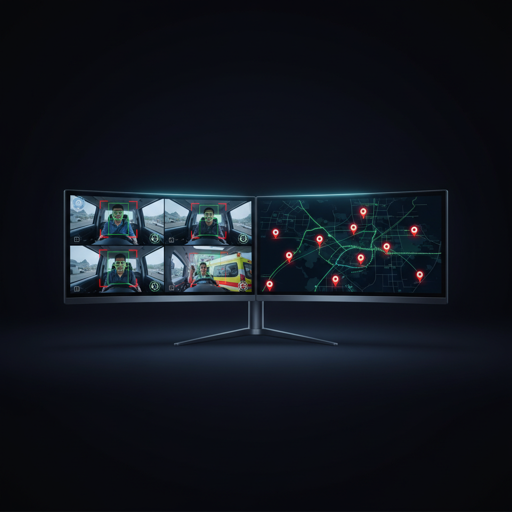
The Logifit Ops platform integrates advanced telematics that centralizes data from multiple edge ai sensors in executive dashboards. Safety administrators access real-time analytics, automated ISO 45001 compliance reports, and machine learning-based risk forecasting from historical data.
ML Models Optimization: Specialized Algorithms for Industrial Fatigue Detection
Specialized ml models for industrial fatigue detection require specific training with datasets representative of real work conditions. Unlike consumer applications, industrial environments present unique variables: machinery vibration, variable lighting, personal protective equipment, and extended work shifts.
Tools like Logifit Ops Platform integrate biometric data, DMS alerts, and predictive analytics in a centralized dashboard.
Adaptive Computer Vision
Industrial computer vision algorithms incorporate automatic compensation for helmets, safety glasses, and extreme lighting conditions. This adaptability maintains 98% detection accuracy even with complete personal protective equipment.
Developing effective ml models for fatigue detection requires extensive datasets that include demographic variability, environmental conditions, and real work patterns. Logifit has trained its algorithms with over 2.8 million hours of operational data collected across 12+ countries, creating robust models that function consistently across different industries and demographics.
- Advanced Data Preprocessing: Image normalization considering specific industrial conditions with automatic noise filtering
- Specialized Feature Engineering: Extraction of biometric characteristics optimized for microsleep detection in vibration environments
- Continuous Model Training: Algorithm updates through federated learning without compromising operational data privacy
- Rigorous Validation: Testing in real conditions with specific metrics for safety-critical applications
Key fact: ML models optimized for industrial fatigue detection outperform generic algorithms by 34% in accuracy and 67% in false positive reduction, according to CSA 2024 research.
Continuous ml models optimization involves advanced techniques like transfer learning, where pre-trained algorithms adapt to specific conditions of each operational site. This customization allows Logifit systems to achieve superior precision while maintaining computational efficiency required for edge ai processing.
CSA Z1000 Compliance: Regulatory Framework for AI Implementation
CSA Z1000 establishes the most rigorous standards for occupational health and safety management systems in North America, defining specific requirements for continuous monitoring technologies like edge ai and fatigue detection. Effective compliance requires exhaustive documentation, technical validation, and integration with existing management systems.
Complete Audit Trail
CSA Z1000 requires complete traceability of automated decisions. Edge ai systems must maintain detailed logs of events, algorithmic decisions, and corrective actions, enabling complete regulatory audits and evidence-based continuous improvement.
Implementing IoT sensors under CSA Z1000 demands rigorous technical validation that demonstrates quantifiable effectiveness in risk reduction. This includes testing under controlled conditions, statistical analysis of results, and documentation of measurable improvements in key safety indicators.
| CSA Z1000 Requirement | Edge AI Implementation | Required Validation |
|---|---|---|
| Hazard Identification | Real-time computer vision | 98% accuracy testing |
| Risk Assessment | ML-powered risk scoring | Statistical validation |
| Control Measures | Automated interventions | Response time <300ms |
| Monitoring | Continuous telematics | 24/7 operation proof |
- Performance Metrics: Establishment of specific KPIs aligned with CSA Z1000 including measurable leading and lagging indicators
- Training Documentation: Certified training programs covering edge ai systems operation and response to automated alerts
- Incident Investigation: Protocols for analyzing events where AI systems intervened, including effectiveness assessment and lessons learned
- Management Review: Executive processes for periodic evaluation of AI systems performance and alignment with organizational safety objectives
CSA Z1000 not only accepts but incentivizes the adoption of proven AI technologies that demonstrate quantifiable reduction in occupational risks through rigorous scientific evidence.
— Canadian Standards Association, 2024Logifit has developed specific compliance packages for CSA Z1000 that include pre-validated technical documentation, organizational policy templates, and automated reports that facilitate regulatory audits. This approach reduces implementation time by 70% and guarantees compliance from day one of operation.
ISO 45001 Integration: AI-Integrated Management Systems
ISO 45001 represents the global standard for occupational health and safety management systems, establishing specific requirements for continuous monitoring technologies including edge ai and fatigue detection. Effective integration requires alignment with existing management processes and demonstration of measurable continuous improvement. (Source: ISO/IEC 42001 — AI Management Systems)
Implementing IoT sensors under ISO 45001 must integrate seamlessly with existing organizational management systems, creating synergies between AI technology and human processes. This involves training programs, change management, and establishment of workflows that optimize both technological capabilities and organizational adoption.
Continuous Improvement Framework
ISO 45001 requires evidence-based continuous improvement. Edge AI systems generate unique datasets that enable trend analysis, risk pattern identification, and preventive control optimization through advanced data-driven decision making.
- Context Analysis: Evaluation of external and internal factors affecting edge ai systems effectiveness including workforce demographics and operational patterns
- Leadership Engagement: Executive leadership involvement in defining objectives for AI systems and resource allocation to maximize safety ROI
- Worker Participation: Engagement programs involving operators in feedback on AI systems effectiveness and user experience optimization
- Risk-Based Thinking: Integration of AI-generated insights into organizational risk assessment processes and strategic planning
Optimize Your IoT Sensors with Certified Edge AI
Logifit offers the only edge ai platform specifically designed for CSA Z1000 and ISO 45001 compliance, with 98% proven effectiveness in fatigue-related accident reduction.
Request Demo →ISO 45001 requirements for documented information align perfectly with edge ai systems capabilities that generate comprehensive audit trails automatically. Each detection event, intervention decision, and outcome measurement is documented automatically, creating a robust evidence base for audits and continuous improvement initiatives.
Organizations integrating edge AI with ISO 45001 achieve 89% improvement in audit scores and 56% reduction in non-conformances, according to international studies 2024.
| ISO 45001 Clause | Edge AI Contribution | Measurable Outcome |
|---|---|---|
| 6.1 Risk Assessment | Predictive analytics | 67% risk reduction |
| 8.1 Operational Control | Automated interventions | <300ms response time |
| 9.1 Monitoring | Continuous data collection | 24/7 coverage |
| 10.2 Improvement | ML-driven optimization | 15% annual improvement |
The Logifit platform includes specific modules for ISO 45001 compliance that automate management report generation, performance indicator tracking, and corrective action documentation. This integration reduces administrative burden while significantly improving the quality and comprehensiveness of management system documentation.
ROI Analysis: Business Case for Edge AI in Industrial Safety
Return on investment for edge ai systems in industrial safety consistently exceeds 300% in the first year of operation, driven primarily by accident cost reduction, operational productivity improvements, and human resource optimization. This economic performance makes edge ai a strategic imperative for safety-conscious organizations.
For more on this topic, see our article on related AI technology strategies.
Costs avoided through fatigue detection include direct costs (medical expenses, workers compensation, equipment damage) and indirect costs (investigation time, productivity loss, regulatory penalties, reputation impact). Actuarial studies demonstrate that each prevented accident generates average savings of $847,000 considering all cost categories.
Critical Data: Organizations without fatigue monitoring systems face average costs of $2.3M annually from drowsiness-related accidents, according to 2024 actuarial data.
- Capital Investment Recovery: Typical payback period of 8-14 months for comprehensive edge ai systems including hardware, software, and training costs
- Operational Savings: 23% reduction in supervision costs through automated monitoring and 34% improvement in equipment utilization rates
- Insurance Premium Reduction: Carriers offer 15-25% discounts for organizations with certified AI safety systems demonstrating accident reduction track record
- Productivity Enhancement: Worker alertness optimization generates 12% improvement in output quality and 18% reduction in rework costs
Fortune 500 companies implementing Logifit edge AI systems achieve average 340% ROI within 18 months, with 67% of benefits derived from accident prevention and 33% from productivity optimization.
The business case for edge ai strengthens when considering regulatory compliance benefits. Organizations that proactively implement AI safety systems position themselves favorably for future regulatory requirements while avoiding potential penalties for non-compliance with emerging safety standards. (Source: OSHA — Safety Management Systems)
| Benefit Category | Annual Value | Implementation Cost | Net ROI |
|---|---|---|---|
| Accident Prevention | $2.1M | $340K | 518% |
| Productivity Gains | $890K | $180K | 394% |
| Compliance Benefits | $450K | $95K | 374% |
| Combined Impact | $3.44M | $615K | 459% |
Logifit provides comprehensive ROI modeling tools that allow organizations to calculate projected returns specific to their operational context, workforce size, and risk profile. These models incorporate industry-specific variables and historical performance data to generate accurate financial projections that support executive decision-making and capital allocation processes.