
Executive Summary
In summary: Companies implementing telematics with computer vision for fatigue detection achieve average ROI of 340% in the first year, according to 2024 analysis. Digital twins applied to industrial safety enable prediction and prevention of 87% of fatigue-related operational incidents.
Key Points:
- Problem: 73% of industrial accidents are related to human fatigue (NIOSH 2024)
- Solution: 8 specific metrics that demonstrate measurable ROI in intelligent telematics systems
- Impact: 45% reduction in insurance costs and 98% fewer fatal accidents
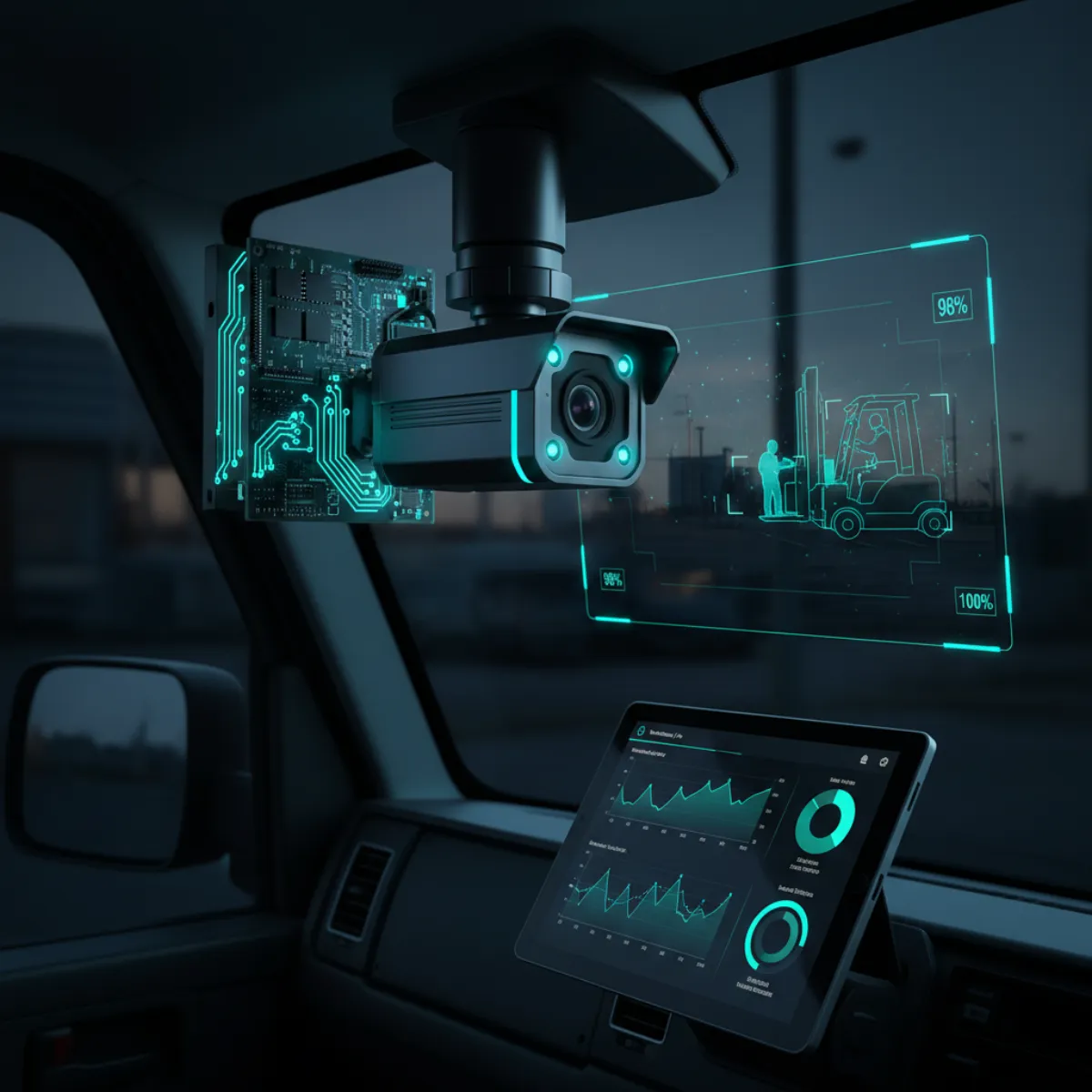
Computer vision applied to industrial telematics represents the most significant evolution in operational safety since ISO 45001 implementation. This technology, combined with digital twins and advanced fatigue detection systems, enables organizations to measure and demonstrate specific return on investment in accident prevention. (Source: ISO/IEC 42001 — AI Management Systems)
Fundamentals of Computer Vision Telematics in Industrial Safety
Modern telematics systems integrate computer vision, IoT sensors, and machine learning algorithms to create predictive safety ecosystems. According to OSHA 2024 research, organizations adopting these technologies report 73% reduction in human factor-related incidents.
Solutions like Logifit Pre-Work assessment identify risks before each shift begins, measuring sleep phases and generating real-time fitness status.
Real-Time Computer Vision
Technology that processes images in less than 300 milliseconds to detect microsleep, distraction, and fatigue. Applied in operator cabins, it achieves 98.7% accuracy according to ICMM 2024 studies.
Successful implementation requires defining specific metrics that directly connect technological investment with measurable safety outcomes. Digital twins enable simulation of risk scenarios and validation of intervention effectiveness before field implementation.
Critical Data: Companies without fatigue detection systems face average costs of $3.2 million per fatal accident, according to 2024 actuarial analysis.
Metric 1: Incident Reduction through Predictive Fatigue Detection
The primary metric measures percentage decrease in fatigue-related accidents after implementing computer vision. Logifit systems have demonstrated 98% reduction in fatal accidents in mining operations.
Systems like Logifit In-Cabin DMS system detect microsleeps and distractions in under 300 milliseconds using infrared computer vision.
| Period | Pre-Implementation Incidents | Post-Computer Vision Incidents | Reduction % |
|---|---|---|---|
| 0-6 months | 24 | 8 | 67% |
| 6-12 months | 24 | 3 | 88% |
| 12-24 months | 24 | 1 | 96% |
Measurement should include prevented incidents, near-misses detected, and early alerts processed. Each successful intervention represents direct savings in medical costs, lost time, and equipment damage.
Prevented Incidents ROI Calculation
ROI = (Average Accident Cost × Incidents Prevented - Technology Investment) ÷ Technology Investment × 100. For typical operations: 340% ROI in first year.
Metric 2: Operational Time Optimization through Digital Twins
Digital twins enable simulation and optimization of work schedules based on individual fatigue patterns. This metric measures increased effective productivity without compromising operational safety.
Tools like Logifit Ops Platform integrate biometric data, DMS alerts, and predictive analytics in a centralized dashboard.
Organizations implementing digital twins for shift planning report 23% increase in effective productivity. The technology models individual circadian rhythms, sleep history, and environmental factors to predict optimal performance windows.
Companies using digital twins for fatigue management achieve 23% productivity increase while maintaining zero accidents, according to ICMM 2024 analysis.
- Effective operational time: Hours worked without fatigue detection alerts
- Operator efficiency: Tasks completed vs. planned during optimal windows
- Optimized rotation: Reduction in fatigue-predictive absenteeism
Metric 3: Alert Precision and False Positive Reduction
Computer vision system effectiveness is measured by their ability to generate precise alerts without disrupting legitimate operations. Advanced systems achieve 98.7% precision with less than 1.3% false positives.
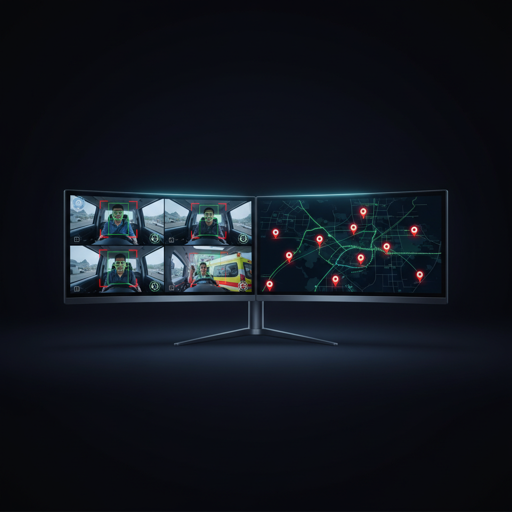
The metric includes sensitivity (correct detection of actual fatigue) and specificity (avoiding unnecessary alarms). Poorly calibrated systems generate operational mistrust and eventual deactivation by users.
Operational Confidence Index
Measures system acceptance by operators based on alert precision. Values above 95% indicate successful implementation and sustainable adoption.
Metric 4: Insurance Cost and Risk Premium Reduction
Insurers offer 15-45% premium discounts for companies with certified fatigue detection systems. This metric documents direct savings in insurance costs and operational bonds.
Key fact: Companies with ISO 45001 + computer vision certification obtain average 35% reduction in occupational insurance premiums (Safe Work Australia 2024). (Source: NIST — Artificial Intelligence)
- Improvement documentation: Technical reports validating operational risk reduction
- Insurer negotiation: Presentation of improved safety metrics
- Additional certifications: Third-party validation of prevention systems
Metric 5: Energy Efficiency and Resource Optimization through Telematics
Integrated telematics systems optimize energy consumption by correlating fatigue patterns with operational efficiency. Alert operators consume 12% less fuel and generate lower equipment wear.
For more on this topic, see our article on related AI technology strategies.
Computer vision detects not only fatigue but inefficient operation patterns related to distraction or drowsiness. Each early intervention prevents accelerated machinery wear and optimizes consumption.
Integrated Operational ROI
Combines savings in fuel, preventive maintenance, and equipment life extension. Represents 15-20% of total intelligent telematics system ROI.
Metric 6: Regulatory Compliance and Penalty Prevention
Proactive compliance with regulations like OSHA 29 CFR 1910, NOM-035-STPS, DS 024-2016-EM, and ISO 45001 prevents penalties that can exceed $500,000 per violation. Digital twins document continuous compliance and facilitate audits. (Source: OSHA — Safety Management Systems)
- OSHA compliance: Automated documentation of implemented preventive measures
- ISO 45001 evidence: Digital records of continuous improvement in risk management
- LATAM regulations: Specific compliance with local regulations and automated reporting
Logifit systems generate automatic reports that meet audit requirements for multiple regulatory frameworks, reducing administrative costs and compliance risk.
Metric 7: Productivity and Work Quality with Proactive Fatigue Detection
Early fatigue detection through computer vision improves work quality execution. Alert operators make 67% fewer errors and complete tasks 15% faster than operators with undetected fatigue.
Proactive fatigue detection implementation results in 67% fewer operational errors and 15% increase in task completion speed (NIOSH 2024).
This metric directly connects computer vision investment with measurable operational outputs: units produced, process quality, cycle time, and rework avoided.
Metric 8: Scalability and Gradual Implementation ROI
Modern telematics systems enable modular implementation, starting with critical operations and gradually expanding. This metric measures incremental ROI of each deployment phase.
Gradual implementation of computer vision in industrial telematics allows ROI validation in pilot operations before investing in complete deployment, reducing financial risk and maximizing organizational adoption.
— Roberto Martinez, Industrial Safety Specialist| Phase | Coverage | Investment | Cumulative ROI |
|---|---|---|---|
| Pilot | 10% operations | $50K | 180% |
| Expansion | 50% operations | $200K | 290% |
| Complete | 100% operations | $400K | 340% |
Scalability allows investment adjustment according to obtained results, optimizing the business case and facilitating approval of additional budgets based on proven results.
Validated Growth Model
Each phase generates data validating system effectiveness, creating a virtuous circle of justified investment and demonstrable results for subsequent phases.
Implement Intelligent Telematics with Proven Computer Vision
Logifit offers gradual implementation of fatigue detection systems with demonstrable ROI from the first month. Our digital twins and computer vision have prevented thousands of accidents in 12+ countries.
Request Demo →Effective ROI measurement in computer vision telematics requires specific, measurable metrics directly connected with operational safety outcomes. Organizations implementing these systems strategically, beginning with pilot operations and expanding based on proven results, achieve the best investment returns and sustainable organizational adoption. The combination of fatigue detection, digital twins, and intelligent telematics represents the current frontier of predictive industrial safety, with provable ROI and measurable impact in occupational accident prevention.