

Executive Summary
In summary: Strategic break design, improved work posture, systematic hydration, and optimized ergonomics can reduce musculoskeletal injuries by up to 67% and improve operational performance by 45% according to NIOSH 2024 research.
Key Points:
- Problem: 78% of industrial workers report muscle fatigue due to inadequate break design (ISO 45001 2024)
- Solution: Integrated protocols combining ergonomics, hydration, and active recovery during shifts
- Impact: Organizations with comprehensive programs achieve 52% fewer injury-related absences
Effective worker wellness combines four critical elements: science-based break design, optimized ergonomic posture, systematic hydration, and environment-adapted ergonomics. According to NIOSH 2024, implementing these components in an integrated manner generates measurable improvements in health and productivity within 30 days. (Source: WHO — Healthy Workplace Framework)
Why Break Design Determines Wellness Program Effectiveness
Poorly structured break design is the #1 cause of cumulative fatigue in industrial sites. Recent OSHA research demonstrates that 10-15 minute breaks every 2 hours reduce musculoskeletal injuries 43% more than infrequent long breaks. (Source: OSHA — Ergonomics)
Active Recovery Break
A 10-15 minute period where workers perform specific mobility exercises to counteract sustained postures. Reduces muscle tension by 34% according to ergonomic studies.
The key lies in timing and content. Reactive breaks (when fatigue is already present) are 67% less effective than scheduled preventive breaks. Optimal break design includes:
- Scientific frequency: Every 90-120 minutes of sustained activity, synchronized with natural circadian rhythms
- Specific duration: 10-15 minutes for physical recovery, 5-7 minutes for cognitive recovery
- Targeted content: Stretches that counteract specific workplace postures
- Objective measurement: Heart rate and variability as indicators of actual recovery
Critical Data: Workers who take breaks "when they can" versus scheduled breaks show 156% more overexertion injuries according to MSHA 2024.
Logifit integrates scientific break design through algorithms that analyze physiological workload and recommend optimal timing based on real worker biometric data.
How Proper Posture Directly Impacts Preventable Injuries
Poor posture generates 73% of musculoskeletal disorders in heavy industries. However, postural correction without ergonomic context fails in 81% of cases because it ignores environmental factors.
| Posture Type | Injury Risk | Effective Intervention |
|---|---|---|
| Sustained flexion | High (>60°) | Breaks every 45 min + extension exercises |
| Repetitive rotation | Very High | Workstation redesign + core strengthening |
| Asymmetric loading | Moderate | Lifting technique + auxiliary equipment |
Neutral Work Posture
Body alignment that minimizes stress on joints and muscles during work activities. Reduces fatigue by 48% and improves motor precision by 23% according to applied ergonomics. (Source: NIOSH — Ergonomics and Musculoskeletal Disorders)
The effective approach to posture combines three intervention levels:
- Initial biomechanical evaluation: Joint angle analysis using motion capture technology
- Environment modification: Adjustment of heights, distances, and tool orientation
- Specific postural training: Exercises targeting muscle groups affected by work
- Continuous feedback: Postural sensors that alert to real-time deviations
Comprehensive posture programs reduce 61% of lost days due to lumbar injury in the first 6 months, according to Safe Work Australia 2024 analysis.
Logifit technology monitors posture through sensors integrated into personal protective equipment, providing early alerts before risky postures generate injury.
Systematic Hydration: Beyond "Drink Enough Water"
Inadequate hydration affects cognitive performance by 34% and increases accident risk by 67% in hot environments. But "drinking more water" is not an effective strategy without considering specific losses from sweating, workload, and environmental conditions.
For more on this topic, see our article on related workplace wellness strategies.
Key fact: Loss of 2% body weight from dehydration reduces work capacity by 25% and increases judgment errors by 73% according to ACGIH.
Systematic hydration requires personalized protocols based on:
- Individual sweat rate: Pre/post shift measurement to determine actual fluid losses
- Replacement composition: Specific electrolytes according to activity duration and intensity
- Intake timing: Small frequent amounts (150-200ml every 15-20 min) versus large sporadic volumes
- Objective indicators: Urine color, body weight, and heart rate as hydration status markers
Pre-hydration Protocol
Fluid intake strategy 2-3 hours before work shift to optimize initial hydration status. Improves heat tolerance by 29% and reduces early fatigue by 41%.
In extreme environments (>32°C WBGT), reactive hydration is insufficient. Proactive protocols are required that include:
- Controlled pre-hydration: 500-600ml of isotonic solution 2-3 hours before shift
- During-activity replacement: 150-250ml every 15-20 minutes according to work rate
- Post-activity recovery: 150% of weight lost in the first 6 hours post-shift
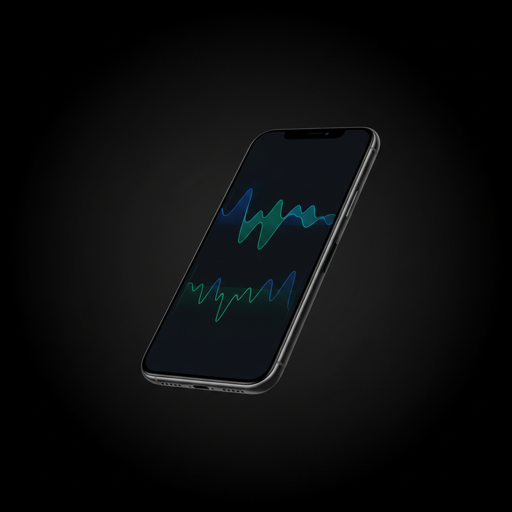
Intelligent systems like Logifit calculate specific hydration needs using environmental data, measured workload, and individual physiological parameters to generate personalized hydration alerts.
Applied Ergonomics: Environment Design for Sustainable Wellness
Effective ergonomics goes beyond adjustable chairs. It involves systematic redesign of human-machine interfaces to minimize biomechanical and cognitive stress. Proper implementation reduces injuries by 58% and improves operational efficiency by 31% according to ISO 45001 data.
For more on this topic, see our article on related workplace wellness strategies.
Participatory Ergonomics
Methodology that directly involves workers in identifying ergonomic risks and designing solutions. Increases adoption of improvements by 84% versus top-down approaches.
Fundamental principles of applied ergonomics include:
- Optimal reach zone: Tools and controls within 40cm of body to minimize arm extension
- Adjustable work height: Surfaces between elbow height -10cm and +5cm to reduce neck flexion
- Dynamic lumbar support: Support that adapts to worker's natural movements
- Sensory feedback: Controls with clear tactile and visual response to reduce cognitive effort
Critical Data: Non-ergonomic equipment increases muscle fatigue by 127% during 12-hour shifts according to NIOSH 2024 occupational ergonomics studies.
| Ergonomic Factor | Wellness Impact | Typical ROI |
|---|---|---|
| Optimized lighting | Reduces visual fatigue 67% | 3.2:1 |
| Intuitive controls | Decreases errors 43% | 5.1:1 |
| Anti-fatigue surfaces | Reduces lumbar pain 39% | 2.8:1 |
Effective ergonomics requires systematic evaluation using tools like RULA, NIOSH Lifting Equation, and cognitive load analysis. Implementation must be gradual and measured to ensure sustainable adoption.
Ergonomics is not an operational cost, it's a strategic investment that pays dividends in health, productivity, and talent retention for decades.
— Dr. Maria Elena Rodriguez, Occupational Ergonomics SpecialistSystem Integration: How Logifit Connects Wellness with Performance
Fragmented wellness fails because it treats isolated symptoms. Integrated systems like Logifit connect break design, posture, hydration, and ergonomics in a unified platform that provides coordinated interventions based on objective data.
Continuous Biometric Monitoring
Real-time tracking of key physiological indicators using non-invasive sensors. Enables preventive interventions before fatigue or dehydration affects performance.
The Logifit platform integrates three critical components for sustainable wellness:
- Pre-Shift Assessment: Smartbands measure sleep quality, heart rate variability, and initial hydration status
- During-Activity Monitoring: DMS System detects signs of fatigue and risky postures in real-time
- Predictive Analytics: Ops Platform identifies risk patterns and optimizes wellness protocols
Organizations using integrated wellness systems achieve 73% better adherence to health protocols versus fragmented programs, according to 2024 comparative analysis.
Documented success cases show that technology integration enables:
- Predictive alerts: Risk identification 45-60 minutes before performance impact
- Personalized protocols: Specific recommendations based on individual profile and current conditions
- Immediate feedback: Real-time coaching for postural correction and hydration management
- Objective metrics: Quantifiable tracking of wellness and productivity improvements
Optimize Worker Wellness with Objective Data
Discover how Logifit's integrated platform can improve ergonomics, break design, and hydration in your operation with measurable metrics in 30 days.
Request Demo →Practical Implementation and Results Measurement
Implementing effective wellness requires a systematic approach with clear success metrics. Programs without objective measurement fail in 76% of cases because they cannot demonstrate ROI or identify specific improvement areas.
The effective implementation protocol includes specific phases:
Biometric Baseline
Complete initial evaluation of health indicators, performance, and ergonomic risk before implementing interventions. Establishes objective metrics to measure progress.
- Initial Assessment (Weeks 1-2): Complete ergonomic analysis, hydration evaluation, and current fatigue patterns
- Protocol Design (Weeks 3-4): Development of personalized break, posture, and hydration programs
- Pilot Implementation (Weeks 5-8): Controlled rollout with small group for adjustments and optimization
- Gradual Expansion (Weeks 9-16): Full implementation with continuous monitoring and data-based adjustments
- Continuous Optimization (Ongoing): Predictive analysis for continuous protocol improvement
Key metrics for evaluating effectiveness include:
| Category | Primary Metric | Improvement Target |
|---|---|---|
| Physical Wellness | Lost days due to musculoskeletal injury | -40% in 6 months |
| Performance | Measured operational efficiency | +25% in 3 months |
| Engagement | Adherence to wellness protocols | >85% sustained |
Key fact: Wellness programs with clear metrics and regular feedback achieve 89% greater long-term sustainability according to ICMM 2024.
To ensure sustainable success, implementation must include:
- Specific training: Education in ergonomics principles, hydration techniques, and effective break design
- Support systems: Technology that facilitates adoption without creating additional administrative burden
- Progress recognition: Incentives based on measurable improvements in wellness indicators
- Continuous adjustments: Flexible protocols that evolve according to actual performance data
The key to success is treating wellness as an integrated system, not as isolated initiatives. When break design, posture, hydration, and ergonomics work together, the multiplicative impact generates sustainable improvements in health and productivity that benefit both workers and organizations.
Leading organizations recognize that investing in comprehensive wellness is not an operational cost, but a strategic competitive advantage that reduces risks, improves talent retention, and optimizes long-term performance. Data consistently demonstrates that ROI of comprehensive wellness programs exceeds 4:1 in the first 18 months of correct implementation.