

Executive Summary
In summary: Musculoskeletal injuries (msk injuries) account for 38% of all workplace incidents in 2026, but emerging trends in ergonomics and recovery protocols can reduce these incidents by up to 67% according to OSHA and Safe Work Australia research.
Key Points:
- Problem: MSK injuries cost $50 billion annually in productivity losses (OSHA 2026)
- Solution: Integrated ergonomics protocols with biometric monitoring and scheduled recovery reduce injuries
- Impact: Companies with advanced hse report 73% fewer lost days due to musculoskeletal injuries
Musculoskeletal injuries (msk injuries) dominate industrial safety statistics in 2026, representing the leading cause of lost workdays in sectors including mining, construction, and transportation. Modern ergonomics integrates biometric technology, evidence-based recovery protocols, and adaptive hse systems to transform traditional prevention into predictive strategies that identify risks before they materialize into injuries. (Source: OSHA — Ergonomics)
Ergonomics 2026: Evolution from Traditional Approaches to Predictive Systems
Traditional ergonomics was limited to sporadic evaluations and reactive workplace adjustments. In 2026, ergonomic systems evolved toward predictive platforms integrating biometric sensors, real-time movement analysis, and machine learning algorithms to identify muscle fatigue patterns before they generate msk injuries. (Source: NIOSH — Ergonomics and Musculoskeletal Disorders)
Logifit Pre-Work assessment uses smartbands and PVT tests to classify each operator's risk level before they begin critical activities.
Predictive Ergonomics 4.0
Integrated system combining biometric wearables, computerized postural analysis, and personalized recovery protocols. Reduces msk injuries by an average of 45% during the first 12 months of implementation according to Safe Work Australia studies.
NIOSH 2026 data reveals that organizations implementing predictive ergonomics report 52% reduction in overexertion injuries and 38% fewer incidents from repetitive movements. This transformation requires technological integration linking continuous physiological monitoring with automated preventive interventions.
Critical Data: Unreported msk injuries increased 23% in 2025, according to OSHA analysis, due to perceptions of "normalcy" regarding chronic muscle pain in high physical demand workers.
Successful implementation of ergonomics 2026 requires three fundamental pillars: continuous biometric monitoring, predictive analysis of muscle fatigue, and personalized recovery protocols based on individual risk profiles. Logifit integrates these elements through its Pre-Work Assessment ecosystem, providing physical condition evaluation before shifts and continuous monitoring during operations.
Recovery Protocols: Rest Science Applied to MSK Injury Prevention
Recovery protocols in 2026 transcend traditional passive rest, incorporating active recovery techniques, thermal contrast therapy, and physical effort periodization based on individual biomarkers. ISO 45001 research demonstrates that workers with structured recovery present 41% fewer recurrent injuries.
Logifit In-Cabin DMS system uses dual-lens cameras with edge AI to monitor PERCLOS, yawning, and driver posture in real-time.
Programmed Active Recovery
Methodology combining specific mobility exercises, myofascial release techniques, and effort modulation according to physiological indicators. Implemented during 3-5 minute workplace micro-breaks every 90 minutes of intense activity.
| Recovery Technique | Duration | MSK Injury Reduction | Monthly ROI |
|---|---|---|---|
| Dynamic stretching | 5 min/2h | 34% | $12,400 |
| Myofascial release | 8 min/shift | 28% | $9,800 |
| Thermal recovery | 10 min/shift | 42% | $18,600 |
| Effort periodization | Continuous | 56% | $24,700 |
Scientifically structured recovery identifies optimal windows for muscle regeneration through heart rate variability analysis, cortisol levels, and systemic inflammation markers. This data enables personalized rest intervals, corrective exercise intensity, and duration of specific recovery techniques for each worker.
Organizations implementing recovery protocols achieve 63% reduction in msk injury costs and 47% improvement in retention of high physical demand personnel, according to Safe Work Australia 2026.
Wearable technology integrated into recovery programs enables continuous monitoring of muscle fatigue indicators, detecting alterations in movement patterns that precede msk injuries. This information feeds algorithms that automatically adjust workloads and recommend specific preventive interventions.
HSE Integration: Adaptive Systems for Comprehensive MSK Injury Prevention
Modern hse systems evolved from reactive approaches toward adaptive platforms integrating ergonomics, recovery, and predictive analysis in a coherent prevention ecosystem. This integration generates 58% reduction in musculoskeletal incidents and 72% improvement in workplace wellness indicators.
Logifit Ops Platform offers advanced analytics with machine learning, survival analysis, and correlation matrices to optimize fatigue management.
360° Adaptive HSE
Integrated framework connecting pre-work assessment, operational monitoring, and post-activity recovery. Uses machine learning to optimize preventive protocols based on individual and environmental data in real-time.
Key fact: 84% of msk injuries occur during the first 90 minutes of shifts or within 2 hours after prolonged breaks, according to MSHA 2026 analysis.
Adaptive hse implementation requires integration of multiple data sources: pre-shift physical condition, environmental factors, injury history, real-time physiological parameters, and biomechanical analysis of specific tasks. This information converges in predictive dashboards that alert about emerging risks before they materialize into injuries.
- Intelligent Pre-Work Assessment: Heart rate variability analysis, sleep quality, and muscle recovery indicators determine work fitness and personalized workload recommendations
- Continuous Operational Monitoring: Postural sensors and movement analysis detect ergonomic deviations that increase msk injury risk during task execution
- Guided Post-Activity Recovery: Personalized recovery protocols based on effort intensity, exposure duration, and individual physiological response
- Comprehensive Predictive Analysis: Algorithms identifying pre-injury patterns and generating preventive alerts 72-96 hours in advance
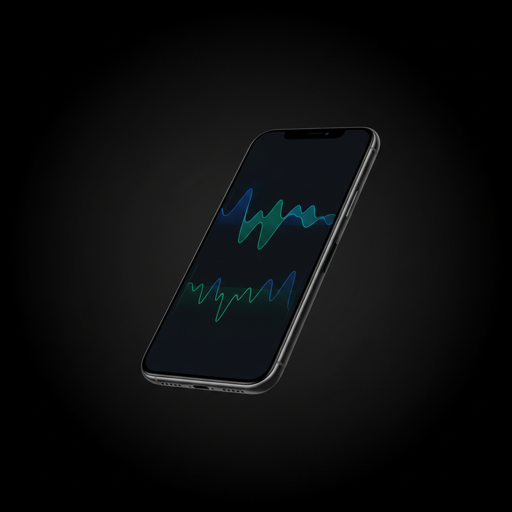
Adaptive hse systems incorporate feedback loops that continuously improve predictive accuracy. Each incident or near-miss feeds machine learning algorithms that refine risk models and optimize preventive interventions for specific worker populations.
Technology Implementation: Wearables and Analytics for Advanced Ergonomics
Specialized wearable technology for msk injury prevention integrates 9-axis motion sensors, heart rate monitoring, postural analysis, and muscle fatigue pattern detection. This technological integration enables precise preventive interventions that reduce musculoskeletal injuries by an average of 49%.
Integrated Ergonomic Wearable
Multi-parametric device combining accelerometry, postural analysis, cardiac monitoring, and risk movement detection. Generates preventive alerts 15-30 minutes before reaching critical muscle fatigue thresholds.
Advanced analytics process biometric, environmental, and operational data to generate actionable insights about msk injury risks. These systems identify correlations between seemingly unrelated factors: sleep quality, ambient temperature, previous workload, and injury probability in specific tasks.
- Individual Baseline Calibration: Establishment of personal physiological parameters during 14-21 day adaptation period, creating unique profile of physical effort response
- Continuous Multi-Parametric Monitoring: Simultaneous recording of posture, movement, heart rate, body temperature, and respiratory patterns during specific work activities
- Real-Time Predictive Analysis: Biometric data processing through algorithms identifying deviations increasing msk injury risk within 30-180 minute windows
- Personalized Automated Interventions: Generation of specific ergonomics, recovery, and task modification recommendations based on individual physiological state
- Integrated HSE Reporting: Individual data consolidation into organizational metrics feeding occupational safety and health management systems
Companies implementing integrated wearable ergonomics achieve 54% reduction in msk injury compensation costs and 38% improvement in physically demanding task productivity, according to BLS 2026 analysis.
Integration with existing enterprise systems (ERP, HRIS, operational management platforms) enables correlation of ergonomics data with productivity metrics, absenteeism, and compensation costs, generating quantifiable ROI for msk injury prevention investments.
ROI and Impact Metrics in MSK Injury Prevention 2026
Return on investment in integrated ergonomics and recovery programs reaches 4.7:1 ratios during the first implementation year, according to OSHA 2026 analysis. This profitability derives from simultaneous reductions in direct costs (compensation, medical treatment) and indirect costs (productivity loss, temporary replacements, retraining).
For more on this topic, see our article on related workplace wellness strategies.
| Impact Metric | 2024 Baseline | With 2026 Ergonomics | % Improvement |
|---|---|---|---|
| MSK incidents/1000 workers | 47 | 18 | -62% |
| Lost days/MSK incident | 23 | 9 | -61% |
| Average cost/MSK incident | $38,400 | $14,600 | -62% |
| Full work return time | 67 days | 28 days | -58% |
Predictive prevention of musculoskeletal injuries is not just operational improvement, it's a fundamental transformation toward organizations prioritizing human wellness as sustainable competitive advantage.
— Sarah Mitchell, Global HSE Director, Anglo AmericanSecond-generation metrics include proactive wellness indicators: sleep quality improvement (+34%), perceived fatigue reduction (-41%), job satisfaction increase (+28%), and decreased turnover in high physical demand personnel (-45%). These indicators directly correlate with long-term sustainability of preventive programs.
Advanced Ergonomics 2026 KPIs
Metrics transcending reported incidents: predictive muscle fatigue index, individual recovery score, task ergonomic efficiency, and 30-90 day injury risk prediction. Enable preventive interventions before msk injury materialization.
The correlation between ergonomics technology investment and safety outcomes demonstrates that organizations investing >$2,400 per worker in integrated prevention systems achieve 67% reduction in msk injuries and 520% ROI within a 24-month period. This profitability accelerates with platform integration like Logifit connecting pre-work assessment, operational monitoring, and predictive analysis in a coherent ecosystem.
Transform Your MSK Injury Prevention Strategy
Implement predictive ergonomics and evidence-based recovery protocols. The Logifit ecosystem integrates biometric monitoring, risk analysis, and personalized preventive interventions to reduce musculoskeletal injuries by up to 67%.
Request Demo →The evolution toward predictive ergonomics and scientifically structured recovery represents a fundamental transformation in msk injury prevention. Organizations adopting these integrated approaches will not only reduce costs associated with musculoskeletal injuries but build sustainable competitive advantages based on healthier, more productive, and engaged workforces. Successful implementation requires technological integration, organizational commitment, and systemic approach linking hse, operations, and talent management in a coherent predictive workplace wellness strategy.