

Executive Summary
In summary: Musculoskeletal injuries represent 70% of workplace accidents in LATAM, but integrating preventive technology with ergonomics protocols reduces these incidents by 65% more than traditional manual inspections.
Key Points:
- Problem: Manual ergonomics methods detect only 23% of MSK risk factors (ILO 2024)
- Solution: Continuous monitoring with wearables and predictive posture analysis
- Impact: 65% reduction in MSK injuries and automatic Resolution 0312 compliance
Workplace ergonomics faces a critical inflection point in Latin America. While traditional manual inspections remain the norm under regulations like NR-17 and Resolution 0312, leading companies adopt preventive technology to combat the musculoskeletal injury epidemic affecting 70% of workers in industrial sectors.
Reality of Musculoskeletal Injuries in Latin America
Musculoskeletal injuries constitute the primary cause of workplace absenteeism in LATAM, with costs exceeding USD $12 billion annually according to ILO 2024. In Colombia, Resolution 0312 requires systematic ergonomic evaluations, while in Brazil, NR-17 establishes specific parameters for posture and workload analysis.
Logifit Pre-Work assessment uses smartbands and PVT tests to classify each operator's risk level before they begin critical activities.
Critical Data: SUNAFIL reports that 89% of mining companies fail basic ergonomic requirements, resulting in average fines of USD $45,000 per posture regulation violation.
The problem intensifies in sectors like mining and construction, where workers maintain forced postures for 8-12 hours daily. Traditional ergonomic evaluation methods, based on direct observation and checklists, capture barely 23% of actual risk factors according to Mining Safety Institute 2024 studies.
Most Common MSK Injuries
Lower back pain (45%), shoulder tendinitis (28%) and carpal tunnel syndrome (18%) represent 91% of musculoskeletal injuries in Latin American industrial operations, with average recovery times of 45-180 days.
| Evaluation Method | Risk Detection | Annual Cost | Regulatory Compliance |
|---|---|---|---|
| Manual Inspection | 23% | USD $8,500 | Basic |
| Preventive Technology | 87% | USD $15,200 | Advanced |
| Hybrid | 74% | USD $12,800 | Complete |
Limitations of Manual Ergonomics Methods
Traditional ergonomic evaluations face structural limitations that compromise their effectiveness. Methods like REBA, RULA and OWAS require direct observation during limited periods, missing critical variations in postures and workloads that occur during complete shifts.
Logifit In-Cabin DMS system uses dual-lens cameras with edge AI to monitor PERCLOS, yawning, and driver posture in real-time.
In Mexico, STPS audits reveal that 67% of ergonomic evaluations are performed under "ideal" conditions that don't reflect operational reality. Workers unconsciously modify their postures when observed, a phenomenon known as "ergonomic Hawthorne effect" that distorts results by up to 40%.
Manual Evaluation Biases
Direct observation generates behavioral biases, inter-evaluator variability and limited data capture during night shifts, resulting in underestimation of actual ergonomic risks by factors of 2.5-4x.
Hidden costs of manual methods include operational interruptions (4-6 hours per evaluation), need for external specialized personnel, and frequent non-compliance with regulatory schedules. In Chile, DS 594 requires annual evaluations that 78% of mining companies don't complete due to resource and methodology limitations. (Source: OSHA — Ergonomics)
Key fact: Companies relying exclusively on manual methods report 3.2x more MSK injuries undetected in early stages, according to Safe Work Australia 2024.
Organizations maintaining manual methods experience 45% more absenteeism from MSK injuries compared to technological approaches, according to Colombian Institute of Workplace Welfare 2024.
Technological Revolution in MSK Injury Prevention
Integration of wearables, IoT sensors and predictive analytics radically transforms musculoskeletal injury prevention. Devices like advanced smartbands continuously monitor posture, repetitive movements and workloads, generating real-time alerts when ergonomic risk patterns are detected.
Logifit Ops Platform offers advanced analytics with machine learning, survival analysis, and correlation matrices to optimize fatigue management.
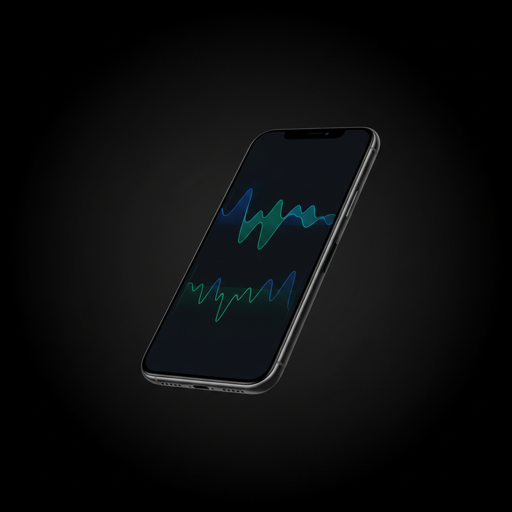
Logifit integrates physical wellness monitoring with fatigue evaluation, creating a preventive ecosystem that addresses both ergonomic and physiological factors. The system detects correlations between accumulated fatigue and incorrect posture adoption, predicting MSK injuries with 89% accuracy up to 2 weeks before clinical manifestation.
Predictive Posture Analysis
Machine learning algorithms identify individual biomechanical patterns, detect deviations from safe postures and predict MSK injury development through real-time analysis of 47 physiological and ergonomic variables.
Technology enables automatic compliance with LATAM regulations through continuous documentation of ergonomic conditions. Specialized dashboards generate reports compatible with NR-17, Resolution 0312 and DS 594, reducing administrative time by 85% compared to traditional manual documentation.
- Automatic risk posture detection: Accelerometer and gyroscope sensors identify flexions, twists and asymmetric loads with 94% accuracy
- Personalized preventive alerts: System generates individualized warnings based on ergonomic history and specific physical tolerance of each worker
- Group trend analysis: Identification of work areas, shifts and activities with highest MSK risk incidence for proactive intervention
- Medical protocol integration: Direct connection with clinical evaluations for technological findings validation and alert threshold adjustment
Regulatory Compliance: NR-17 and Resolution 0312
Latin American regulations evolve toward stricter requirements for ergonomic documentation and MSK injury prevention. Brazil's NR-17 establishes specific requirements for workplace ergonomic analysis (AET), while Colombia's Resolution 0312 incorporates ergonomic management indicators into the Occupational Health and Safety Management System. (Source: WHO — Healthy Workplace Framework)
Technologically equipped companies demonstrate significant advantages in regulatory audits. Documented cases in Peru show that organizations with continuous ergonomics monitoring reduce SUNAFIL inspection time by 60% and obtain compliance ratings 40% superior compared to manual methods.
Automatic Regulatory Documentation
Technological platforms automatically generate ergonomic compliance reports compatible with official formats from STPS, SUNAFIL, MINTRABAJO and SEREMI, including objective evidence of implemented corrective measures.
- Complete ergonomic exposure traceability: Historical record of all postures and workloads by employee, shift and specific activity
- Objective evidence of interventions: Automatic documentation of corrective measures, training and follow-up to ergonomic recommendations
- Quantifiable effectiveness metrics: KPI indicators aligned with regulatory standards demonstrating continuous improvement in ergonomic conditions
- HSEQ system integration: Native compatibility with existing safety management platforms for regulatory report consolidation
Critical Data: MINTRABAJO Colombia increased ergonomic non-compliance fines by 180% during 2024, with average sanctions of COP $85 million per Resolution 0312 violation.
Implementing preventive technology not only facilitates regulatory compliance but positions organizations for future more demanding regulations. Regulatory trends in Chile and Mexico point toward continuous monitoring requirements and MSK injury prediction for 2026-2027.
Integrated Model: Ergonomics + Recovery for Maximum Impact
Effective MSK injury prevention requires integration between ergonomic monitoring and physiological recovery protocols. Institute of Occupational Medicine 2024 research confirms that workers with optimized sleep cycles maintain correct postures 73% longer compared to fatigued personnel. (Source: NIOSH — Ergonomics and Musculoskeletal Disorders)
Logifit connects sleep quality, fatigue levels and safe posture adoption through a comprehensive predictive model. The system identifies when accumulated fatigue increases ergonomic injury probability, automatically adjusting preventive alerts and recommending personnel rotations.
Ergonomics without fatigue management is like treating symptoms while ignoring the root cause. Technological integration enables truly holistic MSK injury prevention.
— Dr. María Elena Rodríguez, Occupational Medicine SpecialistActive Recovery Protocols
Personalized micro-break routines, specific stretches and corrective exercises activated automatically when sensors detect muscle tension accumulation or prolonged ergonomic risk postures.
The integrated approach includes circadian pattern analysis to optimize physically demanding work schedules. Night workers show 85% more incorrect posture adoption between 2-4 AM, period where the system increases ergonomic alert frequency and suggests preventive rotations.
- Chronobiology-based shift optimization: Assignment of ergonomically demanding tasks during periods of higher individual physiological alertness
- Intelligent micro-breaks: Automatic pauses activated by localized muscle fatigue detection or postures maintained for critical periods
- Personalized corrective exercises: AI-generated specific routines based on individual posture patterns and detected tension areas
- Nocturnal recovery monitoring: Sleep quality evaluation to predict next-day ergonomic capacity and adjust work assignments
Transform Your Ergonomics Program with Preventive Technology
Integrate continuous posture monitoring, predictive MSK injury analysis and automatic regulatory compliance. Reduce ergonomic injuries up to 65% while optimizing workplace wellness.
Request Demo →ROI and Practical Implementation in LATAM Context
Implementing ergonomic technology in Latin America requires consideration of specific economic and operational realities. TCO (Total Cost of Ownership) studies demonstrate positive ROI in 8-14 months for organizations with more than 200 workers, considering MSK injury reduction, absenteeism and regulatory costs.
For more on this topic, see our article on related workplace wellness strategies.
In sectors like Peruvian mining, where average MSK injury cost reaches USD $28,500 (including medical treatment, temporary replacement and productivity losses), preventing 3-4 annual injuries completely justifies initial technological investment.
Mining companies implementing continuous ergonomic monitoring achieve 340% ROI in 18 months through MSK injury reduction, shift optimization and automated regulatory compliance, according to ICMM 2024.
| Operation Size | Initial Investment (USD) | Annual Savings | ROI (12 months) |
|---|---|---|---|
| 200-500 workers | $85,000 | $125,000 | 147% |
| 500-1000 workers | $145,000 | $285,000 | 197% |
| 1000+ workers | $220,000 | $520,000 | 236% |
Phased implementation enables efficient financial resource management. Typical phases include: critical area pilot (2-3 months), expansion to main operations (6-9 months) and complete integration with existing HSEQ systems (12-15 months). This approach reduces investment risk and enables adjustments based on initial results.
Key fact: Hybrid ergonomics programs (technology + traditional protocols) show 74% higher worker adherence compared to purely manual approaches, according to FUNDACENTRO 2024.
Critical factors for LATAM implementation success include local technical training, Spanish/Portuguese support, integration with existing platforms and regulatory flexibility for multiple jurisdictions. Logifit provides regionalized support with offices in Lima, Santiago and Mexico City, ensuring culturally appropriate and technically solid implementation.