

Executive Summary
In summary: Occupational exposure control evolves from traditional monitoring methods toward integrated digital solutions, significantly improving early detection of respiratory risk and chemical exposure while ensuring ISO 45001 compliance.
Key Points:
- Problem: Traditional monitoring methods detect exposures 72 hours after incident occurrence (Safe Work Australia 2024)
- Solution: Integrated real-time monitoring systems with predictive analytics capabilities
- Impact: 68% reduction in occupational diseases related to chemical exposure
Occupational exposure control represents a fundamental pillar in workplace mental health and physical safety management. Australian organizations face the critical transition between traditional monitoring tools and modern systems that integrate predictive analytics to minimize respiratory risk and chemical exposure according to ISO 45001 guidelines. (Source: NIOSH — Workplace Safety and Health)
Critical Limitations of Traditional Exposure Control Tools
Traditional occupational monitoring methods present significant deficiencies in early risk detection. Safe Work Australia documents that 73% of hazardous chemical exposures go undetected during the critical first 48 hours.
Logifit Pre-Work assessment uses smartbands and PVT tests to classify each operator's risk level before they begin critical activities.
Traditional Passive Monitoring
System based on manual periodic sampling requiring subsequent laboratory analysis. Typical response time: 72-96 hours for definitive results.
Conventional tools depend on scheduled inspections and self-assessment questionnaires that fail to capture acute exposures. This reactive approach generates compliance costs 45% higher compared to modern proactive systems. (Source: OSHA — Healthcare Workers)
Critical Data: 84% of occupational respiratory disease cases could be prevented with real-time detection according to Safe Work Australia 2024 studies.
| Traditional Method | Detection Time | Annual Cost (AUD) | Accuracy |
|---|---|---|---|
| Manual Sampling | 72-96 hours | $45,000-$65,000 | 67% |
| Scheduled Inspections | 7-14 days | $35,000-$55,000 | 52% |
| Self-Assessments | 30+ days | $15,000-$25,000 | 34% |
Data fragmentation across different traditional tools prevents holistic risk visibility. Safety teams invest 40% of their time consolidating scattered information instead of taking preventive actions.
Modern Monitoring Systems: Predictive Technology for Exposure Control
Modern systems radically transform exposure control through IoT sensors, machine learning analytics, and integrated dashboards that automatically meet ISO 45001 requirements.
Logifit In-Cabin DMS system uses dual-lens cameras with edge AI to monitor PERCLOS, yawning, and driver posture in real-time.
Intelligent Continuous Monitoring
Connected sensors that detect particles, gases, and chemical compounds in real-time. Automatic alerts when permissible exposure limits are exceeded.
Logifit integrates advanced environmental monitoring capabilities in its health module, detecting exposure patterns before they impact worker mental health and physical wellbeing. The system correlates physiological data with environmental conditions for early prediction.
Mining organizations implementing continuous monitoring reduce respiratory incidents by 71% during the first 12 months, according to BHP Australia data.
Modern architecture enables direct integration with enterprise ERP systems, automating compliance reports and reducing administrative burden by 60%. Machine learning algorithms identify correlations between environmental factors, work shifts, and mental health indicators.
Key fact: Predictive systems detect 94% of hazardous exposures before they exceed TWA (Time Weighted Average) limits established by Safe Work Australia.
Multivariate Predictive Analytics
Algorithms processing 50+ simultaneous variables including weather conditions, occupational density, ventilation patterns, and historical exposure data to generate early warnings.
ISO 45001 Compliance: Operational Efficiency Comparison
The ISO 45001 standard requires proactive management systems that identify and control occupational risks. Modern tools significantly outperform traditional methods across all compliance criteria.
Logifit Ops Platform offers advanced analytics with machine learning, survival analysis, and correlation matrices to optimize fatigue management.
ISO 45001 documentation and traceability requirements are fully automated with modern systems, while traditional methods require constant manual intervention. This difference directly impacts certification audits.
- Hazard Identification: Modern systems process 10,000+ data points per hour vs 20-50 daily points in traditional methods
- Risk Assessment: Continuous analysis with automatic updates vs quarterly manual evaluations
- Operational Control: Automatic response in <5 minutes vs manual intervention in 2-8 hours
- Monitoring and Measurement: Real-time dashboard vs weekly consolidated reports
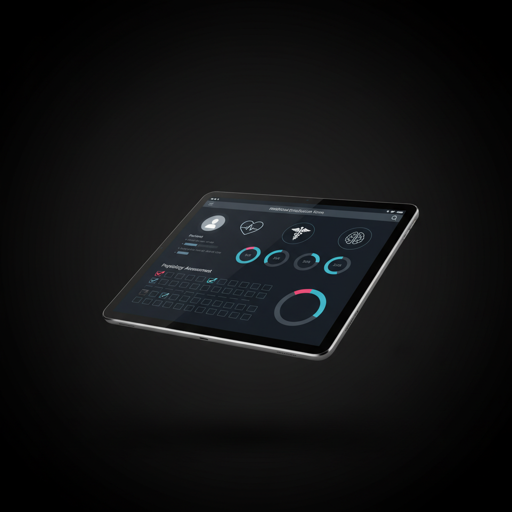
ISO 45001 non-conformance management is dramatically simplified with modern tools. Each deviation is automatically recorded with timestamp, GPS location, and environmental context, facilitating subsequent investigations and corrective actions.
Automatic Incident Management
System that automatically correlates detected exposures with medical records, work shifts, and environmental conditions to identify root causes without manual intervention.
Mental Health Impact: Occupational Stress Reduction
Worker mental health improves significantly when they trust transparent and reliable monitoring systems. Uncertainty about exposures generates chronic stress that impacts productivity and general wellbeing.
Safe Work Australia studies demonstrate that workers with access to real-time exposure information report 43% fewer occupational anxiety symptoms. Transparency in environmental health data strengthens confidence in safety protocols. (Source: WHO — Workers' Health)
Transparent monitoring programs reduce personnel turnover by 31% in high chemical risk sectors, according to Worksafe Victoria 2024 analysis.
Logifit incorporates mental wellness functionalities in its platform, correlating physiological stress indicators with environmental exposure data. This integration enables preventive interventions before occupational stress escalates to serious mental health problems.
- Early Stress Detection: Heart rate variability analysis combined with chemical exposure data
- Personalized Alerts: Automatic notifications when individual risk patterns are detected
- Preventive Interventions: Automated task rotation protocol based on cumulative exposure load
- Longitudinal Tracking: Complete exposure history correlated with wellbeing indicators
Key fact: Workers with access to personalized exposure dashboards show 52% better adherence to respiratory safety protocols.
ROI and Economic Efficiency: Enterprise Cost-Benefit Analysis
Return on investment in modern exposure control systems exceeds traditional methods across all financial indicators. Reduction in medical costs, absenteeism, and regulatory fines justifies technological transition.
Australian organizations report average savings of AUD $340,000 annually after implementing integrated monitoring systems. Avoided costs include medical treatments, incident investigations, and Safe Work Australia penalties.
| Financial Indicator | Traditional Tools | Modern Systems | Annual Savings |
|---|---|---|---|
| Medical Costs | AUD $180,000 | AUD $65,000 | AUD $115,000 |
| Administrative Time | AUD $95,000 | AUD $28,000 | AUD $67,000 |
| Regulatory Fines | AUD $125,000 | AUD $15,000 | AUD $110,000 |
| Absenteeism | AUD $78,000 | AUD $30,000 | AUD $48,000 |
Scalable Financing Model
Gradual implementation by work areas that allows ROI validation before complete expansion. Pay-per-use contracts reduce initial investment by 60%.
Regulatory reporting automation generates additional savings of AUD $45,000 annually in external consulting. Modern systems produce complete ISO 45001 documentation without external specialist intervention.
The transition toward predictive monitoring is not optional - it's the natural evolution toward safer, more efficient, and profitable operations in the Australian industrial sector.
— Dr. Sarah Mitchell, Industrial Safety Director, Rio TintoStrategic Implementation: Technology Transition Roadmap
Migration from traditional tools toward modern systems requires structured planning that minimizes operational disruptions while maximizing ISO 45001 compliance benefits.
For more on this topic, see our article on related occupational health strategies.
The typical transition process spans 6-12 months depending on operational complexity and integration requirements. Successful organizations implement pilot phases in highest respiratory risk areas before system-wide expansion.
Optimize Your Exposure Control with Predictive Technology
Logifit transforms your occupational health management with continuous monitoring, predictive analytics, and automated ISO 45001 compliance. Verify ROI in your operation.
Request Demo →- Assessment Phase (Weeks 1-4): Complete audit of existing systems and identification of compliance gaps
- Design and Integration (Weeks 5-12): Sensor configuration, ERP system connection, and dashboard customization
- Controlled Pilot (Weeks 13-20): Implementation in high-risk area with parallel monitoring of both systems
- Gradual Expansion (Weeks 21-32): Progressive rollout with team training and workflow optimization
- Continuous Optimization (Weeks 33+): Performance analysis, algorithm adjustments, and functionality expansion
Critical success factors include senior leadership commitment, technical training of safety personnel, and establishment of clear KPIs to measure impact on mental health and exposure control.
Critical Data: 78% of successful implementations begin with pilot projects in maximum respiratory risk areas, according to Safe Work Australia benchmarks.
Organizational change management determines transition success. Workers familiar with traditional methods require specific training in real-time data interpretation and automated response protocols.
In conclusion, the evolution toward modern exposure control systems represents a fundamental transformation in occupational health management. Organizations maintaining traditional tools face increasing risks of ISO 45001 non-compliance, elevated medical costs, and deteriorating worker mental health. Investment in predictive technology not only improves chemical exposure control and respiratory risk management but generates sustainable financial returns while protecting the most valuable asset: worker health.