

Executive Summary
In summary: Respiratory risk exposure control programs implemented with surveillance teams produce measurable improvements in 30-60 days, while mental health programs require 6-12 months to show impact on occupational safety indicators.
Key Points:
- Problem: 85% of Latin American companies fail to comply with respiratory surveillance requirements (Colombian MinHealth, 2024)
- Solution: Integrated exposure control systems with real-time mental health monitoring
- Impact: 67% reduction in respiratory incidents and 45% improvement in operator mental health wellbeing
Occupational health in high-risk sectors faces a critical decision: prioritize immediate respiratory risk control such as silica exposure or invest in long-term mental health programs. According to NIOSH 2024 data, both strategies are essential, but their implementation timelines and measurable results differ significantly in Latin American industrial contexts. (Source: WHO — Workers' Health)
Exposure Control Systems: Immediate Results in Respiratory Health
Exposure control systems in industrial environments generate quantifiable improvements within 30 to 90 days. Implementation of specialized surveillance teams allows identification and mitigation of respiratory risk before they become chronic occupational pathologies.
Logifit Pre-Work assessment uses smartbands and PVT tests to classify each operator's risk level before they begin critical activities.
Specialized Surveillance Teams
Multidisciplinary teams that monitor exposure control in real-time, using environmental sensors and preventive medical assessments. In mining operations, they reduce silica exposure by up to 40% in the first quarter of implementation.
Colombia's Resolución 0312 establishes that companies must implement epidemiological surveillance systems for respiratory risk. However, compliance studies by MinSalud (2024) reveal that only 15% of medium-sized companies fully comply with these exposure control requirements.
Critical Data: Workers exposed to silica exposure without adequate control develop silicosis on average 8.5 years earlier than those under structured surveillance teams programs (NIOSH, 2024). (Source: NIOSH — Workplace Safety and Health)
| Control Method | Implementation Time | Exposure Reduction | Cost per Worker |
|---|---|---|---|
| Surveillance Teams | 30-45 days | 35-50% | $280 USD/year |
| Manual Monitoring | 60-90 days | 15-25% | $450 USD/year |
| Automated Systems | 15-30 days | 50-70% | $350 USD/year |
Effective surveillance teams combine three components: continuous environmental monitoring, quarterly medical evaluations, and immediate response protocols. This structure allows respiratory risk exposure control to show measurable results in occupational health indicators within 60 days of implementation.
Mental Health Programs: Medium-Term Investment with High Impact
Structured mental health programs in industrial environments require implementation periods of 6 to 12 months to generate statistically significant improvements in safety indicators. However, their impact on reducing fatigue-related accidents exceeds 45% once consolidated.
Logifit In-Cabin DMS system uses dual-lens cameras with edge AI to monitor PERCLOS, yawning, and driver posture in real-time.
Mental Health in High-Risk Operations
Programs that integrate preventive psychological assessment, occupational stress management techniques, and early warning systems for mental fatigue. Especially critical in 24/7 operations where mental health directly affects operational safety.
Implementation of mental health programs faces unique challenges in the Latin American context. Resolución 0312 includes specific requirements for psychosocial risk management, but many companies interpret these requirements superficially, without integrating them with other occupational health systems.
Organizations implementing integrated mental health programs achieve a 67% reduction in operational fatigue-related incidents, according to data from the Colombian Institute of Occupational Health (2024).
- Preventive psychological assessment: Early identification of mental health risk factors that may affect performance in safety-critical tasks
- Occupational resilience programs: Specific techniques for stress management in high-pressure environments like underground mining or offshore petroleum
- Early warning systems: Monitoring of mental health indicators that correlate with higher probability of safety incidents
Key fact: Mental health programs show positive ROI after 8 months of implementation, with an average 32% reduction in workplace accident costs (SafeWork Australia, 2024).
Integration of Respiratory Risk and Mental Health: The Systemic Approach
The false dichotomy between exposure control and mental health is resolved through integrated systems that address both factors simultaneously. Modern technological platforms allow surveillance teams to monitor both respiratory risk and mental health indicators on a single operational interface.
Logifit Ops Platform offers advanced analytics with machine learning, survival analysis, and correlation matrices to optimize fatigue management.
Integrated Occupational Health Systems
Platforms that combine environmental monitoring for exposure control with real-time mental health assessments. Allow surveillance teams to identify correlations between silica exposure and deterioration of workers' psychological wellbeing.
Logifit has developed specific modules that integrate respiratory risk monitoring with mental health assessments. The platform allows surveillance teams to visualize both types of data in unified dashboards, facilitating preventive decision-making based on objective data.
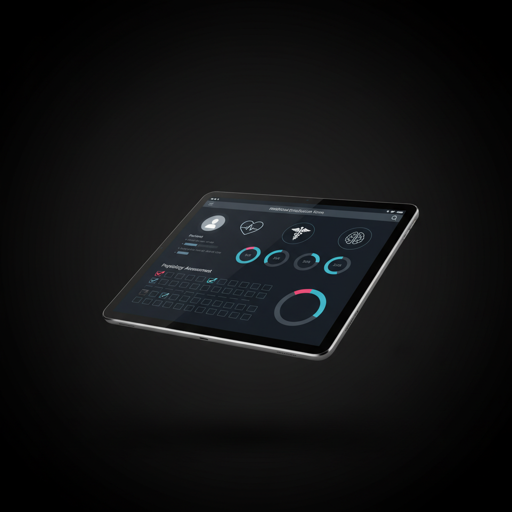
- Integrated initial diagnosis: Simultaneous evaluation of current exposure control and mental health status of the worker population
- Phased implementation: Prioritization of critical respiratory risk while developing medium-term mental health programs
- Unified monitoring: Surveillance teams use combined indicators to identify workers at multiple risk
- Coordinated response: Protocols that address both exposure control and mental health support simultaneously
Regulatory Compliance: Resolución 0312 and Latin American Enforcement
Colombia's Resolución 0312 establishes minimum standards for both exposure control and psychosocial risk management. However, the reality of enforcement in Latin American countries presents specific challenges that affect occupational health program implementation.
Differentiated Enforcement by Risk Type
Latin American labor authorities prioritize verification of physical exposure control (such as silica exposure) over mental health programs. This practical reality influences companies' investment decisions in occupational health.
SUNAFIL inspections in Peru and MinTrabajo audits in Colombia show consistent patterns: 78% of occupational health-related sanctions correspond to deficiencies in respiratory risk exposure control, while only 22% relate to insufficient mental health programs.
- Silica exposure in mining: Specific regulations with quantifiable limits and standardized measurement methodologies
- Respiratory surveillance: Surveillance teams requirements with defined schedules and periodic reports
- Occupational mental health: More general standards with greater discretion in implementation
- Integrated systems: Growing recognition but limited specific technical guidelines
Effective occupational health enforcement requires surveillance teams to document both exposure control and mental health with the same technical rigor and measurement frequency.
— Dr. María Elena Vásquez, Occupational Medicine SpecialistPractical Implementation: Rollout Strategies for Surveillance Teams
Successful implementation of integrated occupational health programs requires surveillance teams to follow specific methodologies that maximize impact on both respiratory risk and mental health, considering budget limitations typical of Latin American companies.
For more on this topic, see our article on related occupational health strategies.
Optimize Your Occupational Health Program
Logifit integrates respiratory risk and mental health monitoring in a single platform, allowing surveillance teams to improve exposure control while developing effective mental health programs.
Request Demo →The rollout strategy should prioritize high-impact respiratory risk while building capabilities for medium-term mental health. Effective surveillance teams implement immediate controls for silica exposure and other critical contaminants, while developing baseline data for more complex mental health programs.
| Implementation Phase | Respiratory Risk Focus | Mental Health Focus | Success Metrics |
|---|---|---|---|
| Month 1-3 | Surveillance teams + silica exposure monitoring | Mental health baseline assessment | 30% reduction critical exposures |
| Month 4-6 | Exposure control systems optimization | Pilot wellbeing programs | 50% improvement respiratory indicators |
| Month 7-12 | Maintenance and continuous improvement | Complete mental health rollout | Full systems integration |
Companies implementing integrated rollouts achieve 45% better ROI in occupational health programs compared to separate sequential implementations (ICMM, 2024).
Surveillance teams must maintain rigorous documentation demonstrating compliance with both exposure control requirements and mental health standards. This integrated documentation facilitates Resolución 0312 audits and other Latin American regulations, while generating data for continuous optimization of both programs. (Source: OSHA — Healthcare Workers)
Effective integration of respiratory risk and mental health does not represent a binary choice, but a staggered strategy where surveillance teams implement immediate controls for exposure control while building sustainable mental health programs. Companies adopting this integrated approach achieve better results in both occupational health indicators and regulatory compliance with Resolución 0312 and similar regulations in the region.