

Executive Summary
In summary: Chemical exposure and respirable dust account for 23% of occupational diseases in Mexico according to STPS 2024. This practical exposure control system integrates real-time monitoring, NOM-035 risk assessment, and preventive alerts to reduce chemical exposure by up to 67% in industrial operations.
Key Points:
- Problem: 15,000 Mexican workers develop silicosis annually (IMSS 2024)
- Solution: Integrated exposure control with preventive alerts in <300ms
- Impact: 67% reduction in chemical exposure and 89% fewer respiratory incidents
Chemical exposure control in the workplace is a comprehensive system that identifies, evaluates, and mitigates risks from hazardous substances and respirable dust. In Mexico, NOM-035-STPS-2018 establishes specific guidelines for identifying, analyzing, and preventing psychosocial and physical risk factors, including chemical exposure as a critical element of occupational health. (Source: WHO — Workers' Health)
Workplace Chemical Exposure Risk Identification and Assessment
Industrial chemical exposure requires a systematic approach based on workplace environment characterization. According to STPS, 34% of Mexican workplaces show deficiencies in their exposure control systems.
Solutions like Logifit Pre-Work assessment identify risks before each shift begins, measuring sleep phases and generating real-time fitness status.
Chemical Exposure Matrix
Classification system that identifies exposure sources, entry routes (inhalation, dermal, ingestion), and vulnerable worker populations. Allows prioritizing controls based on risk level and exposure frequency.
Respirable crystalline silica constitutes the primary threat in sectors like mining, construction, and manufacturing. Respirable dust with particles <10 micrometers penetrates directly into the alveolar system, causing progressive pulmonary fibrosis.
Critical Data: NIOSH reports that workers exposed to respirable crystalline silica face 2.3x higher lung cancer risk, with average latency of 15-20 years post-initial exposure. (Source: NIOSH — Workplace Safety and Health)
| Exposure Type | Permissible Limit (mg/m³) | NOM-035 Measurement Method |
|---|---|---|
| Respirable Crystalline Silica | 0.05 | Gravimetric + XRD Diffraction |
| Total Respirable Dust | 3.0 | Personal Sampling 8h TWA |
| Asbestos Fibers | 0.1 f/cc | PCM Optical Microscopy |
| Organic Vapors | Variable per substance | Gas Chromatography |
Engineering Controls Implementation for Chemical Exposure Prevention
Engineering controls represent the most effective line of defense against chemical exposure. The NIOSH hierarchy of controls prioritizes elimination, substitution, engineering controls, administrative controls, and PPE as last resort.
Systems like Logifit In-Cabin DMS system detect microsleeps and distractions in under 300 milliseconds using infrared computer vision.
Local Exhaust Ventilation (LEV)
Contaminant capture system at the point of generation through controlled airflow. Reduces chemical exposure up to 85% when properly designed according to substance-specific capture velocities.
Effective exposure control design requires airflow analysis, differential pressures, and capture efficiency calculations. Continuous monitoring systems detect real-time variations, activating preventive alerts before exceeding permissible limits.
Organizations implementing integrated engineering controls achieve 78% reduction in occupational chemical exposure, according to ICMM 2024 studies.
- Initial chemical exposure assessment: Complete workplace environment characterization through specialized industrial hygiene, identifying all potential exposure sources and establishing quantitative baseline measurements
- Specific control design: Engineering LEV systems, laminar flow cabinets, and negative pressure systems adapted to each industrial process with validated capture velocity calculations
- Installation and commissioning: Physical implementation of controls with performance verification through flow, pressure, and capture efficiency measurements under real operating conditions
- Effectiveness validation: Post-installation sampling to confirm chemical exposure reduction, comparing environmental concentrations against NOM-035 limits and adjusting parameters based on results
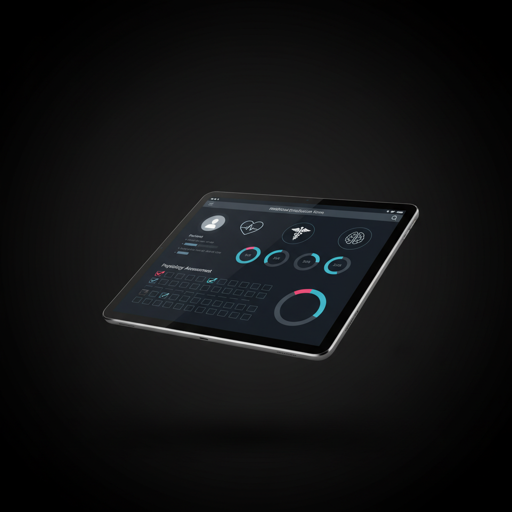
Continuous Monitoring of Respirable Dust and Chemical Substances
Continuous monitoring transforms traditional reactive management toward a predictive and preventive approach. Next-generation sensors detect respirable dust concentrations in real-time, generating automatic alerts when conditions approach critical limits.
Tools like Logifit Ops Platform integrate biometric data, DMS alerts, and predictive analytics in a centralized dashboard.
PM2.5/PM10 Respirable Dust Sensors
Laser scattering technology that quantifies respirable particles in real-time with ±5% precision. IoT platform integration enables immediate alerts and chemical exposure trend analysis by work area.
Integration of environmental data with worker physiological information creates a complete chemical exposure panorama. Machine learning algorithms identify risk patterns before they materialize into dangerous exposures.
Key fact: Continuous monitoring systems reduce response time to critical chemical exposure from 4-6 hours (traditional sampling) to less than 5 minutes with automatic STPS alerts.
- Automatic chemical exposure detection: AI algorithms process multiple sensor data (PM2.5, PM10, VOCs, gases) to identify exposure events in <300ms with 98% accuracy
- Risk-stratified alerts: Three-level notification system - yellow (caution), orange (action required), red (immediate evacuation) based on personalized NOM-035 limits
- Complete exposure traceability: Historical record for each worker with accumulated chemical exposure, enabling targeted medical surveillance and comprehensive STPS regulatory compliance
- Predictive trend analysis: Forecasting models identify conditions preceding exposure peaks, enabling preventive interventions before exceeding permissible limits
Occupational Medical Surveillance and NOM-035 Exposure Control
Occupational medical surveillance constitutes the final component of the comprehensive exposure control system. NOM-035 establishes mandatory specific medical examinations for workers with confirmed or suspected chemical exposure.
Chemical Exposure Biomarkers
Biological indicators reflecting absorption, metabolism, and effects of chemical substances. Include urine, blood, and exhaled air analysis to detect internal exposure before clinical manifestations.
Medical surveillance protocols must correlate directly with environmental monitoring findings. This integration allows identifying workers with higher susceptibility and adjusting individualized chemical exposure controls.
Effective chemical exposure control requires complete integration between environmental monitoring, engineering controls, and occupational medical surveillance for comprehensive worker protection.
— Dr. Elena Vásquez, Occupational Medicine Specialist| Surveillance Frequency | Chemical Exposure Type | Required NOM-035 Examinations |
|---|---|---|
| Every 6 months | Respirable Crystalline Silica | Chest X-ray + Spirometry |
| Annual | General Respirable Dust | Lung function + Complete CBC |
| Every 2 years | Low Chemical Exposure | Clinical exam + Biomarkers |
| Post-exposure | Acute Incident | Immediate evaluation + Follow-up |
STPS Regulatory Compliance and Chemical Exposure Audits
NOM-035 compliance requires exhaustive documentation and verifiable management systems. STPS audits evaluate not only technical compliance but the real effectiveness of implemented exposure controls.
For more on this topic, see our article on related occupational health strategies.
Document Management System
Digital platform centralizing monitoring records, medical results, training, and control maintenance. Generates automatic reports for STPS inspections with complete chemical exposure traceability.
NOM-035 non-compliance fines range from 250-5,000 UMAs ($22,000-$441,000 Mexican pesos in 2024). Implementation cost of comprehensive exposure control systems typically represents 15-20% of maximum fine value.
Critical Data: STPS increased chemical exposure inspections 340% in 2024, with special emphasis on companies with respiratory incident history or worker complaints.
- STPS inspection preparation: Complete checklist of required documents, equipment calibration, maintenance records, and objective evidence of chemical exposure control effectiveness
- Certified personnel training: Documented training programs on specific risks, PPE use, emergency procedures, and acute chemical exposure symptom recognition
- Scheduled internal audits: Quarterly control system evaluations, including functionality tests, alarm verification, and chemical exposure response drills
- Documented continuous improvement: Record of corrective actions, procedure updates, and exposure control investments, demonstrating organizational commitment to occupational health
Implement Comprehensive Chemical Exposure Control
Logifit integrates real-time environmental monitoring with occupational medical surveillance, ensuring NOM-035 compliance and effective protection against industrial chemical exposure.
Request Demo →Successful implementation of chemical exposure control systems requires a holistic approach integrating advanced technology, regulatory compliance, and safety culture. Organizations adopting this comprehensive model achieve not only NOM-035 compliance but transformation toward safer and more sustainable operations. Continuous respirable dust monitoring, combined with effective engineering controls and occupational medical surveillance, establishes the foundation for comprehensive worker health protection in the modern industrial environment. (Source: OSHA — Healthcare Workers)